











About
Alvin Ailey (January 5, 1931 – December 1, 1989) was an African-American choreographer and activist who founded the Alvin Ailey American Dance Theater and the Ailey School in New York City. He is credited with popularizing modern dance and revolutionizing African-American participation in 20th-century concert dance. His company gained the nickname "Cultural Ambassador to the World" because of its extensive international touring. Ailey's choreographic masterpiece Revelations is believed to be the best known and most often seen modern dance performance. In 1977, Ailey was awarded the Spingarn Medal from the NAACP. He received the Kennedy Center Honors in 1988. In 2014, President Barack Obama selected Ailey to be a posthumous recipient of the Presidential Medal of Freedom.
Alvin Ailey American Dance Theater
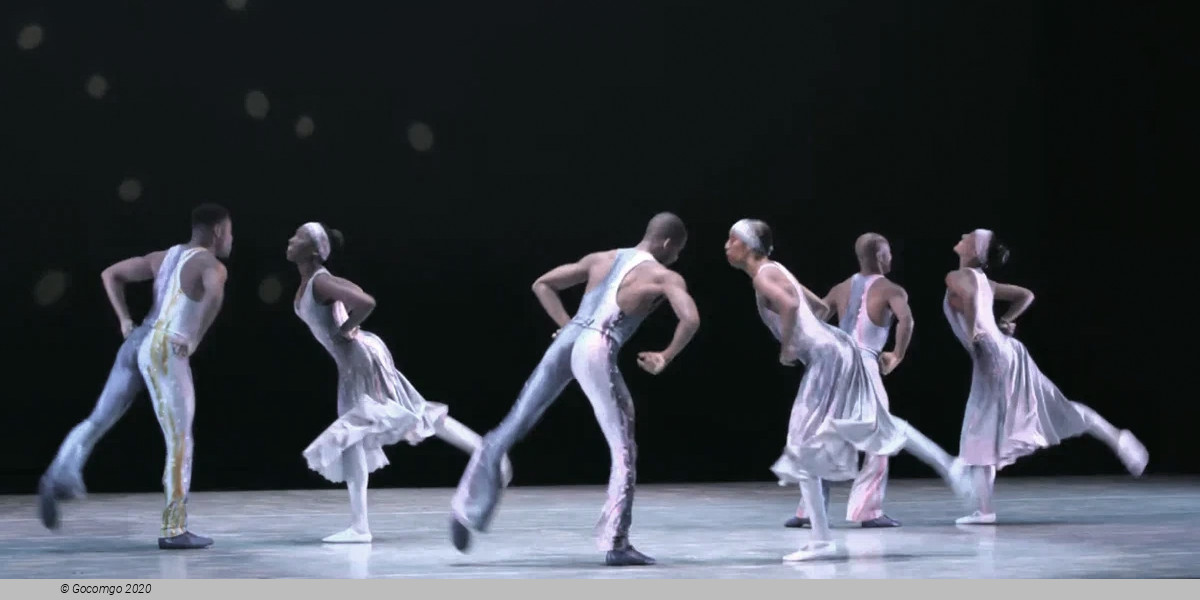
Ailey formed his own group, Alvin Ailey American Dance Theater in 1958, inspired by the vision of his mentor, Lester Horton. The group presented its inaugural concert on March 30, 1958. Notable early work included Blues Suite, a piece deriving from blues songs. Ailey's choreography was a dynamic and vibrant mix growing out of his previous training in ballet, modern dance, jazz, and African dance techniques. Ailey insisted upon a complete theatrical experience, including costumes, lighting, and make-up. A work of intense emotional appeal expressing the pain and anger of African Americans, Blues Suite was an instant success and defined Ailey's style.
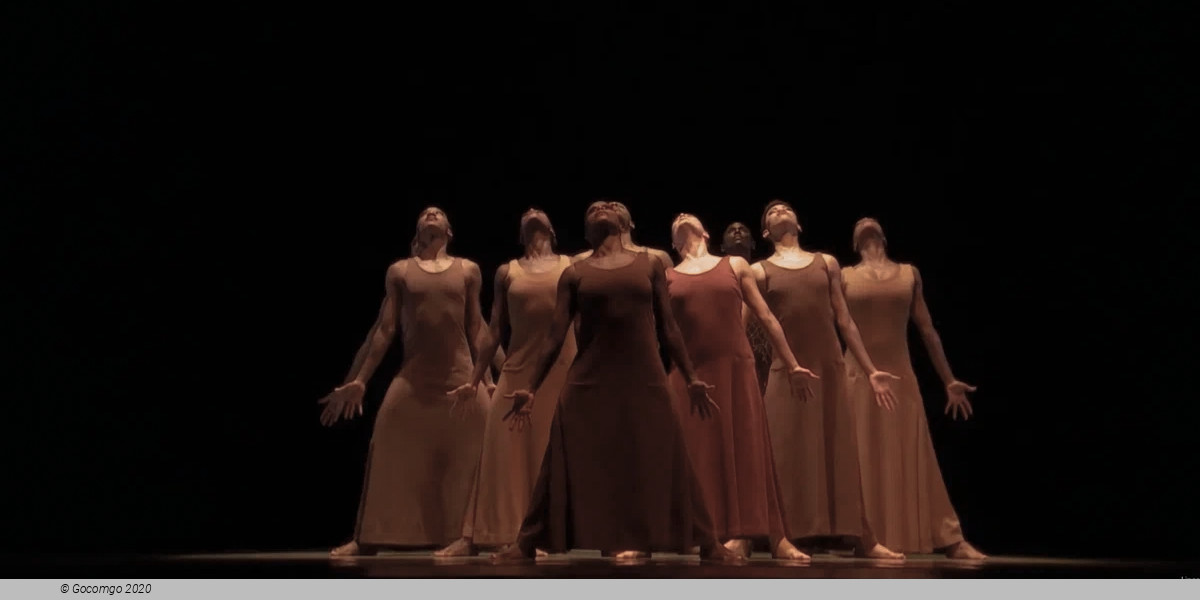
For his signature work, Revelations, Ailey drew upon his "blood memories" of Texas, the blues, spirituals, and gospel. These forces resulted in the creation of his most popular and critically acclaimed work. Ailey originally intended the dance to be the second part of a larger, evening-length survey of African-American music which he began with Blues Suite.
Although Ailey created 79 works for his dancers, he maintained that his company was not merely a showcase for his own work. Today, the company continues Ailey's vision by performing important works from the past and commissioning new additions to the repertoire. In all, more than 200 works by over 70 choreographers have been performed by the company.
Ailey was proud that his company was multi-racial. While he wanted to give opportunities to black dancers, who were frequently excluded from performances by racist attitudes at the time, he also wanted to rise above issues of blackness. His company always employed artists based solely on artistic talent and integrity regardless of their race—a stark difference from most other dance companies that were not integrated in the 1950s.
Ailey continued to create work for his own company and also choreographed for other companies.
In 1962 the U.S. State Department sponsored the Alvin Ailey Dance Company's first overseas tour. Ailey was suspicious of his government benefactors' motives. He suspected they were propagandistic, seeking to advertise a false tolerance by showcasing a modern Negro dance group.[citation needed]
In 1970, Ailey was honored by a commission to create The River for the American Ballet Theatre (ABT). He viewed The River, which he based on the music of composer Duke Ellington, as a chance to work with some of the finest ballet dancers in the world, particularly with the great dramatic ballerina Sallie Wilson. The ABT, however, insisted that the leading male role be danced by the only black man in the company, despite misgivings by Ailey and others about the dancer's talent.[citation needed]
Cry (1971) was one of Ailey's greatest successes. He dedicated it to his mother and black women everywhere. It became a signature piece for Judith Jamison.
The Alvin Ailey Dance Theater was constructed by Tishman Realty and Construction Corporation of New York, Manhattan's largest builder.
The Ailey School
In 1969, a decade after founding Alvin Ailey American Dance Theater, Ailey founded the Alvin Ailey American Dance Center, which was later named the Ailey School in 1999. Beginning in Brooklyn with 125 students, co-directors Alvin Ailey and Pearl Lang aimed to provide access to arts and dance to under-resourced communities. The school now trains more than 3,500 dancers each year. In 1970, the school relocated to Manhattan and in 1984, Denise Jefferson assumed directorship. Under her leadership, the school saw the beginning of its Bachelor of Fine Arts Program in partnership with Fordham University in 1998. Several years later, the school moved into The Joan Weill Center for Dance. Denise Jefferson passed away in 2010, so Tracy Inman and Melanie Person stepped up to take her place as co-directors. A couple years later in 2012, the longtime Artistic Director Sylvia Waters retired and associate director Troy Powell took over her role as Artistic Director. With the addition of the Elaine Wynn and Family Education Wing, the Ailey school is still growing and is now the largest place in New York City committed to training dancers.
Technique
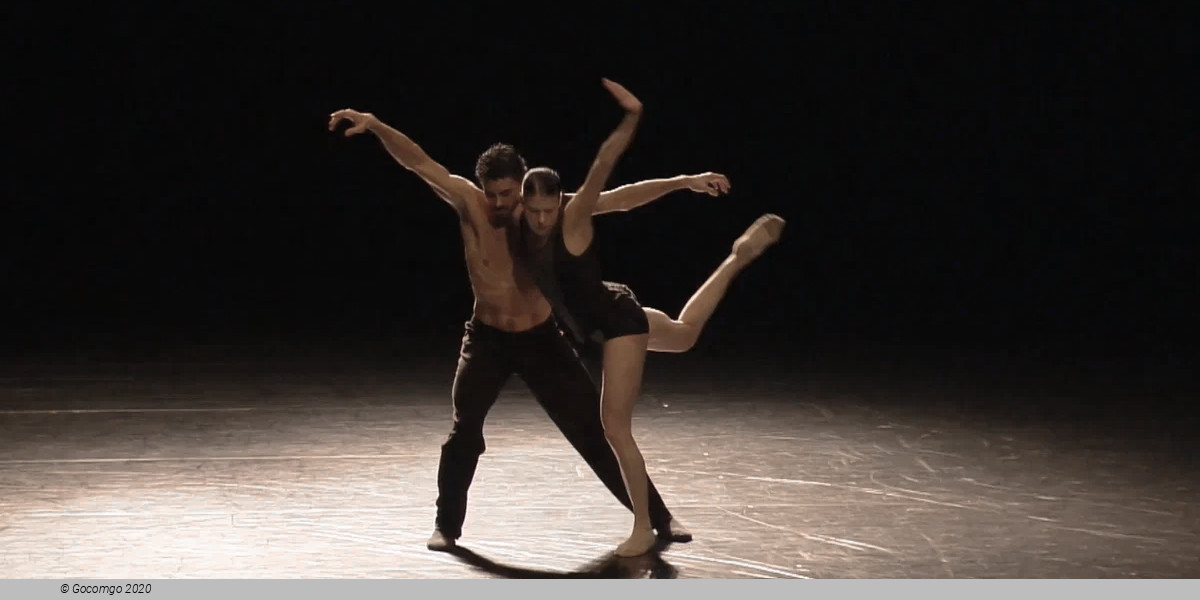
Ailey made use of any combination of dance techniques that best suited the theatrical moment. Valuing eclecticism, he created more a dance style than a technique. He said that what he wanted from a dancer was a long, unbroken leg line and deftly articulated legs and feet ("a ballet bottom") combined with a dramatically expressive upper torso ("a modern top"). "What I like is the line and technical range that classical ballet gives to the body. But I still want to project to the audience the expressiveness that only modern dance offers, especially for the inner kinds of things."
Ailey's dancers came to his company with training from a variety of other schools, from ballet to modern and jazz and later hip-hop. He was unique in that he did not train his dancers in a specific technique before they performed his choreography. He approached his dancers more in the manner of a jazz conductor, requiring them to infuse his choreography with a personal style that best suited their individual talents. This openness to input from dancers heralded a paradigm shift that brought concert dance into harmony with other forms of African-American expression, including big band jazz.
In 1992 Alvin Ailey was inducted into the National Museum of Dance's Mr. & Mrs. Cornelius Vanderbilt Whitney Hall of Fame in Saratoga Springs, NY.