London | GoComGo.com

Venues in London

London

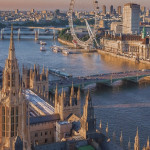
London is the capital and largest city of England and the United Kingdom. It stands on the River Thames in south-east England at the head of a 50-mile estuary down to the North Sea, and has been a major settlement for two millennia. As one of the world's major global cities, London exerts a strong influence on its arts, entertainment, fashion, commerce and finance, education, health care, media, science and technology, tourism, and transport and communications. London is home to many museums, galleries, and other institutions and also is one of the major classical and popular music capitals of the world.

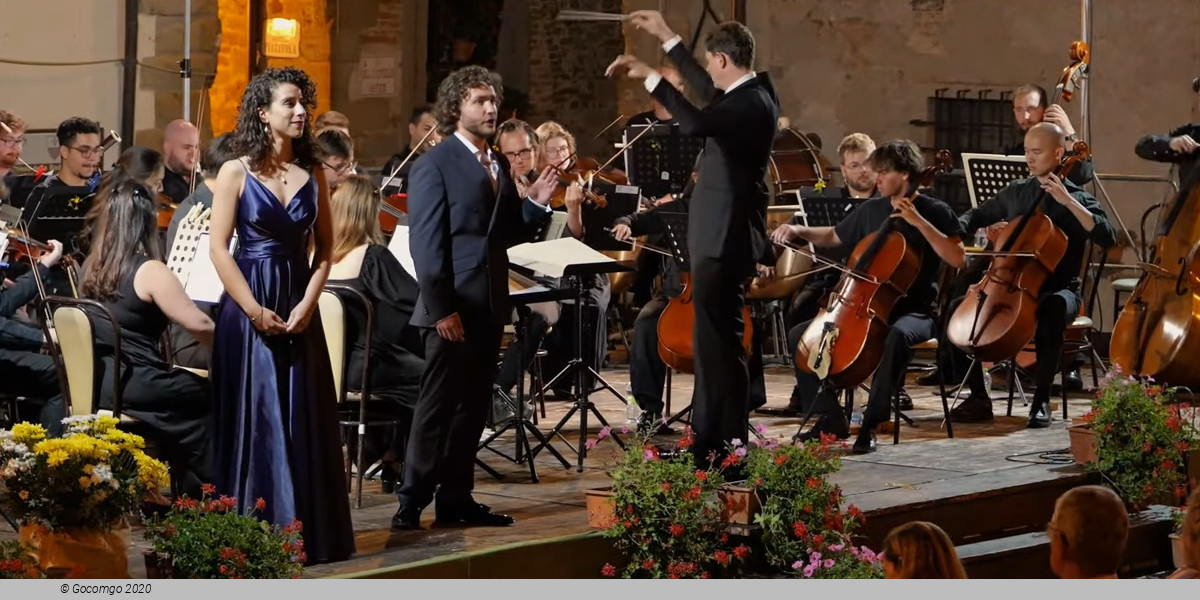
London is one of the major classical and popular music capitals of the world and hosts major music corporations, such as Universal Music Group International and Warner Music Group, and countless bands, musicians and industry professionals. The city is also home to many orchestras and concert halls, such as the Barbican Arts Centre (principal base of the London Symphony Orchestra and the London Symphony Chorus), the Southbank Centre (London Philharmonic Orchestra and the Philharmonia Orchestra), Cadogan Hall (Royal Philharmonic Orchestra) and the Royal Albert Hall (The Proms). The Proms, an eight-week summer season of daily orchestral classical music, ends with the Last Night of the Proms (works by Edward Elgar, Henry Wood, Thomas Arne and Hubert Parry feature at the climax). London's two main opera houses are the Royal Opera House and the London Coliseum (home to the English National Opera). The UK's largest pipe organ is at the Royal Albert Hall. Other significant instruments are in cathedrals and major churches—the church bells of St Clement Danes feature in the 1744 nursery rhyme "Oranges and Lemons", and the lyrics journey through churches and bells of 18th century London. Several conservatoires are within the city: Royal Academy of Music, Royal College of Music, Guildhall School of Music and Drama and Trinity Laban.

The city is home to the original Hard Rock Cafe and the Abbey Road Studios, where The Beatles recorded many of their hits. In the 1960s, 1970s and 1980s, musicians and groups like Elton John, Pink Floyd, David Bowie, Queen, The Kinks, Cliff Richard, The Rolling Stones, The Who, Eric Clapton, Led Zeppelin, Iron Maiden, T. Rex, Fleetwood Mac, Elvis Costello, Dire Straits, Cat Stevens, The Police, The Cure, Madness, Culture Club, Dusty Springfield, Phil Collins, Rod Stewart, Status Quo and Sade, derived their sound from the streets and rhythms of London.

London was instrumental in the development of punk music, with figures such as the Sex Pistols, The Clash and fashion designer Vivienne Westwood all based in the city. Other artists to emerge from the London music scene include George Michael, Kate Bush, Seal, the Pet Shop Boys, Siouxsie and the Banshees, Bush, the Spice Girls, Jamiroquai, Blur, The Prodigy, Gorillaz, Mumford & Sons, Coldplay, Amy Winehouse, Adele, Sam Smith, Ed Sheeran, Ellie Goulding, Dua Lipa and Florence and the Machine. Artists from London with a Caribbean influence include Hot Chocolate, Billy Ocean, Soul II Soul and Eddy Grant, with the latter fusing reggae, soul and samba with rock and pop. London is also a centre for urban music. In particular the genres UK garage, drum and bass, dubstep and grime evolved in the city from the foreign genres of house, hip hop, and reggae, alongside local drum and bass. Music station BBC Radio 1Xtra was set up to support the rise of local urban contemporary music both in London and in the rest of the United Kingdom. The British Phonographic Industry's annual popular music awards, the Brit Awards, are held in London, usually in February.

London has four World Heritage Sites: the Tower of London; Kew Gardens; the combined Palace of Westminster, Westminster Abbey, and St Margaret's Church; and also the historic settlement in Greenwich, where the Royal Observatory, Greenwich defines the Prime Meridian (0° longitude) and Greenwich Mean Time. Other landmarks include Buckingham Palace, the London Eye, Piccadilly Circus, St Paul's Cathedral, Tower Bridge, and Trafalgar Square. London has many museums, galleries, libraries and cultural venues, including the British Museum, National Gallery, Natural History Museum, Tate Modern, British Library, and numerous West End theatres. Important sporting events held in London include the FA Cup Final (held annually at Wembley Stadium), Wimbledon Tennis Championships and the London Marathon. In 2012, London became the first city to host three Summer Olympic Games.

London is home to many museums, galleries, and other institutions, many of which are free of admission charges and are major tourist attractions as well as playing a research role. The first of these to be established was the British Museum in Bloomsbury, in 1753. Originally containing antiquities, natural history specimens, and the national library, the museum now has 7 million artefacts from around the globe. In 1824, the National Gallery was founded to house the British national collection of Western paintings; this now occupies a prominent position in Trafalgar Square.

The British Library is the second largest library in the world, and the national library of the United Kingdom. There are many other research libraries, including the Wellcome Library and Dana Centre, as well as university libraries, including the British Library of Political and Economic Science at LSE, the Central Library at Imperial, the Maughan Library at King's, and the Senate House Libraries at the University of London.

In the latter half of the 19th century the locale of South Kensington was developed as "Albertopolis", a cultural and scientific quarter. Three major national museums are there: the Victoria and Albert Museum (for the applied arts), the Natural History Museum, and the Science Museum. The National Portrait Gallery was founded in 1856 to house depictions of figures from British history; its holdings now comprise the world's most extensive collection of portraits. The national gallery of British art is at Tate Britain, originally established as an annexe of the National Gallery in 1897. The Tate Gallery, as it was formerly known, also became a major centre for modern art. In 2000, this collection moved to Tate Modern, a new gallery housed in the former Bankside Power Station which is accessed by pedestrians north of the Thames via the Millennium Bridge.

The city is one of the four fashion capitals of the world, and, according to official statistics, is the world's third-busiest film production centre, presents more live comedy than any other city, and has the biggest theatre audience of any city in the world.

Within the City of Westminster in London, the entertainment district of the West End has its focus around Leicester Square, where London and world film premieres are held, and Piccadilly Circus, with its giant electronic advertisements. London's theatre district is here, as are many cinemas, bars, clubs, and restaurants, including the city's Chinatown district (in Soho), and just to the east is Covent Garden, an area housing speciality shops. The city is the home of Andrew Lloyd Webber, whose musicals have dominated West End theatre since the late 20th century. Agatha Christie's The Mousetrap, the world's longest-running play, has been performed in the West End since 1952. The Laurence Olivier Awards–named after Laurence Olivier–are given annually by the Society of London Theatre. The Royal Ballet, English National Ballet, Royal Opera, and English National Opera are based in London and perform at the Royal Opera House, the London Coliseum, Sadler's Wells Theatre, and the Royal Albert Hall, as well as touring the country.

Islington's 1 mile (1.6 km) long Upper Street, extending northwards from Angel, has more bars and restaurants than any other street in the UK. Europe's busiest shopping area is Oxford Street, a shopping street nearly 1 mile (1.6 km) long, making it the longest shopping street in the UK. It is home to vast numbers of retailers and department stores, including Selfridges flagship store. Knightsbridge, home to the equally renowned Harrods department store, lies to the south-west. Opened in 1760 with its flagship store on Regent Street since 1881, Hamleys is the oldest toy store in the world. Madame Tussauds wax museum opened in Baker Street in 1835.

London is home to designers Vivienne Westwood, Galliano, Stella McCartney, Manolo Blahnik, and Jimmy Choo, among others; its renowned art and fashion schools make it one of the four international centres of fashion. London offers a great variety of cuisine as a result of its ethnically diverse population. Gastronomic centres include the Bangladeshi restaurants of Brick Lane and the Chinese restaurants of Chinatown. Chinese takeaways are located throughout London, as are Indian restaurants which provide Indian and Anglo-Indian cuisine. Around 1860, the first fish and chips shop in London (and contender for the oldest) was opened by Joseph Malin, a Jewish immigrant, in Bow, east London. The full English breakfast dates from the Victorian era, and many cafe's in London serve a full English throughout the day. As of 2022 London has five three Michelin star restaurants, including Restaurant Gordon Ramsay in Chelsea. Many hotels in London provide a traditional afternoon tea service, such as the Oscar Wilde Lounge at the Hotel Café Royal in Piccadilly, and a themed tea service is also available, for example an Alice in Wonderland themed afternoon tea served at the Egerton House Hotel, and Charlie and the Chocolate Factory themed afternoon tea at One Aldwych in Covent Garden.

There is a variety of annual events, beginning with the relatively new New Year's Day Parade, a fireworks display at the London Eye; the world's second largest street party, the Notting Hill Carnival, is held on the late August Bank Holiday each year. Traditional parades include November's Lord Mayor's Show, a centuries-old event celebrating the annual appointment of a new Lord Mayor of the City of London with a procession along the streets of the city, and June's Trooping the Colour, a formal military pageant performed by regiments of the Commonwealth and British armies to celebrate the Queen's Official Birthday. The Boishakhi Mela is a Bengali New Year festival celebrated by the British Bangladeshi community. It is the largest open-air Asian festival in Europe. After the Notting Hill Carnival, it is the second-largest street festival in the United Kingdom attracting over 80,000 visitors from across the country. First held in 1862, the RHS Chelsea Flower Show (run by the Royal Horticultural Society) takes place over five days in May every year.

...Read more
...Less detail

Venues in London (133)
Smith Square
Sinfonia Smith Square—formerly known as St John’s Smith Square—is one of London’s most distinguished concert venues, situated in a quiet Georgian square in the heart of Westminster. Housed in a magnificent Grade I-listed Baroque church, it combines exceptional architecture, a celebrated acoustic and a long-standing commitment to classical music. The building has been welcoming performers and audiences since 1969 and remains an important part of the capital’s concert life.
4 Soho Street
@sohoplace is a West End theatre operated by Nimax Theatres. It is on the site of the previous London Astoria, as part of development around the Elizabeth line's Tottenham Court Road station. It is the first purpose-built West End theatre to be opened in 50 years. It opened on 15 October 2022, with a production of the play Marvellous.
Belvedere Road
Southbank Centre is one of London’s largest and most important cultural centres, occupying a prominent riverside site on the South Bank of the Thames, between Waterloo Bridge and the London Eye. Established as part of the 1951 Festival of Britain, it has developed into a major destination for music, visual arts, dance, literature and contemporary performance. Its location, close to Waterloo Station and the National Theatre, places it at the heart of one of the capital’s most vibrant cultural districts.
Highgate West Hill
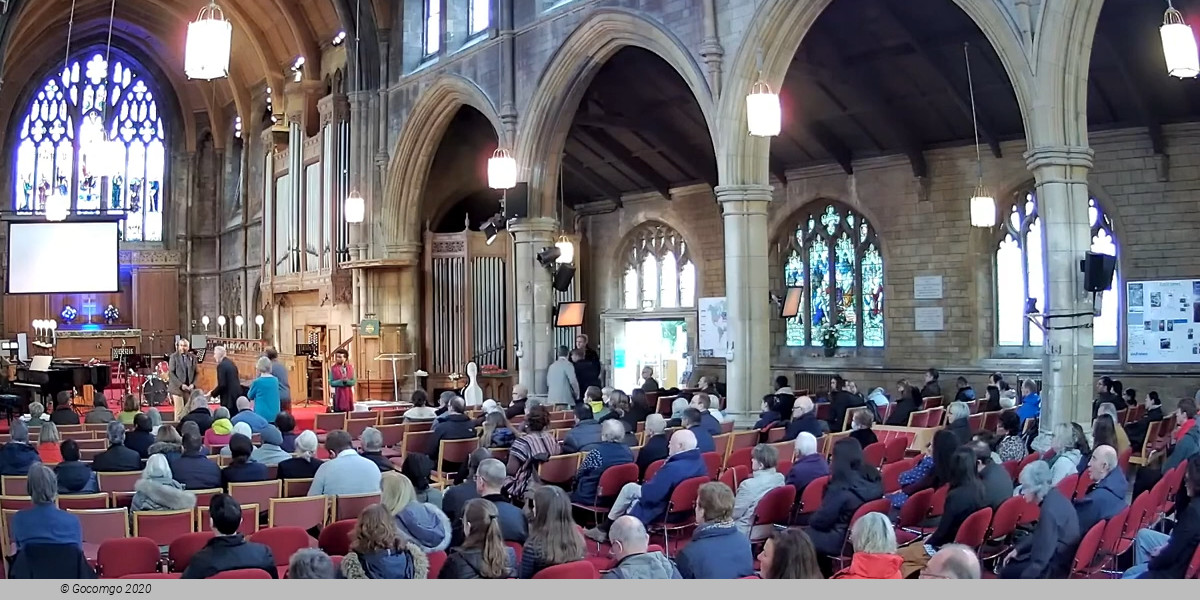
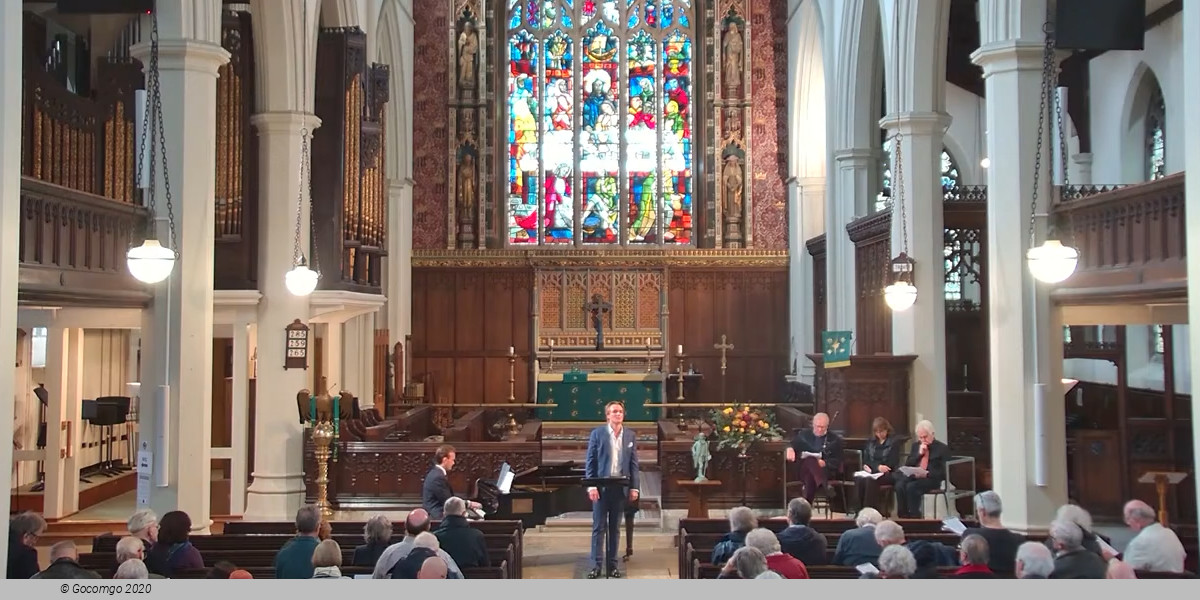
St Anne's Church, Highgate is a historic Anglican church on Highgate West Hill in north London, set within the leafy residential surroundings of Highgate. Built in approximately 1853, it was commissioned by Anne Barnett in memory of her brother, Richard Barnett. Designed by architect T. Bellamy in the Early English Gothic style, the church is distinguished by its stone exterior, pointed-arch windows and prominent west tower with a slender spire. It has been a Grade II listed building since 1954. With its Victorian Gothic architecture, historic stained glass and connection to Highgate’s chamber music scene, St Anne’s Church offers a charming setting for classical concerts. Its peaceful location and intimate atmosphere make it an appealing destination for audiences seeking music in a distinctive historic setting.
Strand, WC2R 1DH
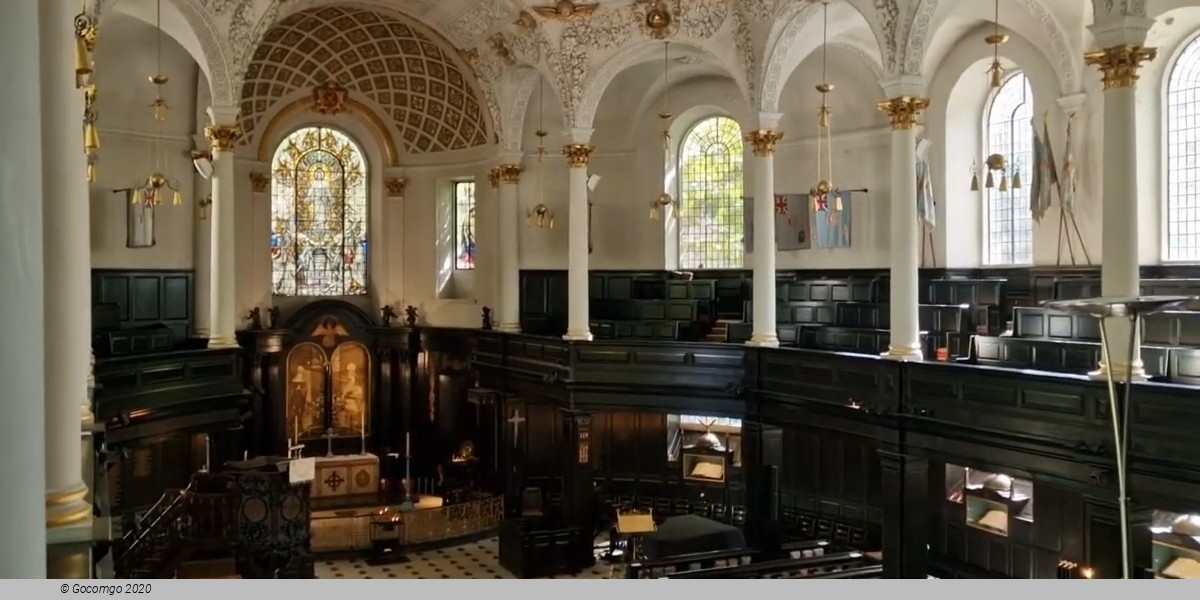
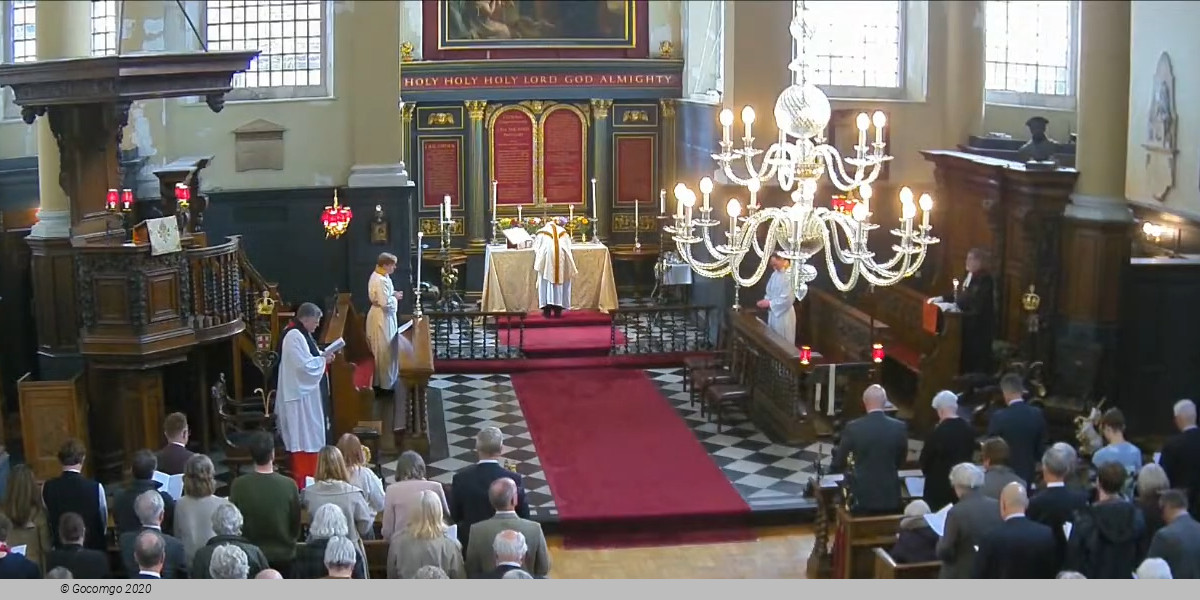
St Clement Danes (RAF) is a historic Anglican church on the Strand in central London, best known as the Central Church of the Royal Air Force (RAF). Standing on a small traffic island opposite the Royal Courts of Justice, it is one of the capital’s most recognisable churches, with a history stretching back more than a thousand years. A place of worship has stood on this site since at least the 9th century, traditionally associated with Danish settlers who gave the church its name. Combining Wren’s architectural legacy, a moving history of wartime destruction and restoration, and a continuing role in the musical and commemorative life of the RAF, St Clement Danes offers a distinctive setting for concerts and cultural events in the heart of London.
Glentworth Street
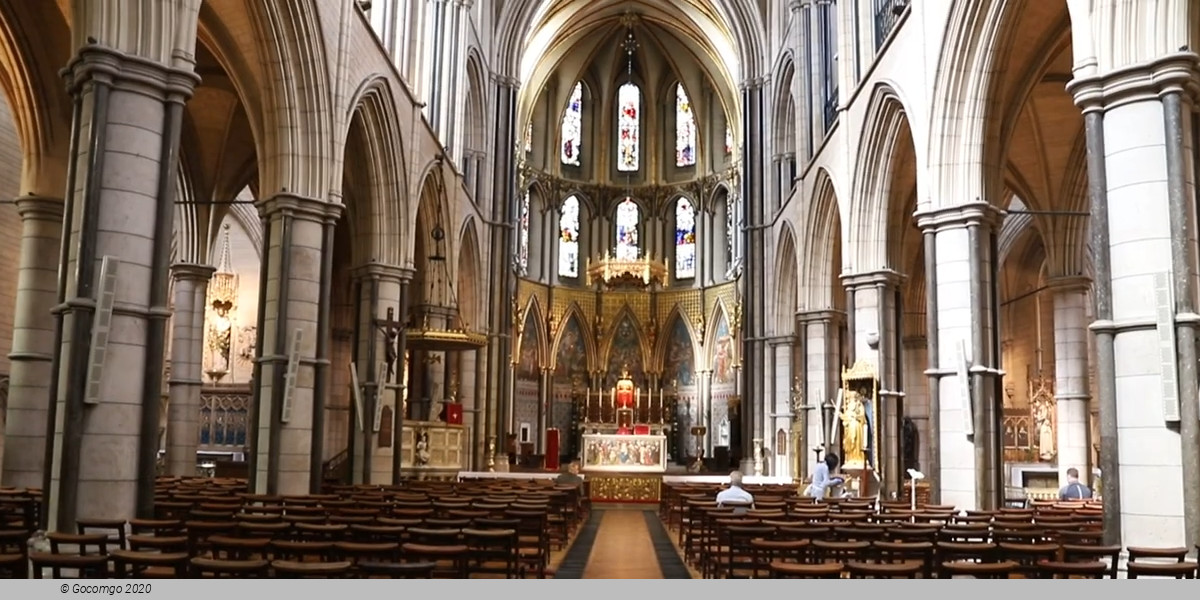
St Cyprian's, Clarence Gate is a remarkable Anglican church in Marylebone, just a short walk from Regent’s Park and Baker Street. Designed by the celebrated architect Sir Ninian Comper, it is regarded as one of his finest ecclesiastical works and an important example of early 20th-century Gothic Revival architecture. The church is Grade II* listed and is distinguished by its harmonious proportions, carefully crafted details and richly decorated sanctuary. Music has a central place in the life of St Cyprian’s. The church is known for its distinguished choir, regular choral worship and programme of classical concerts. Its musical activities include chamber music performances, visiting ensembles and choral events, with the church’s acoustics and atmospheric interior making it an appealing setting for live music. The programme also includes free concerts, allowing audiences to experience classical repertoire in an exceptional historic setting.
186a Fleet Street
St Dunstan-in-the-West is a historic Anglican Guild Church on Fleet Street, in the heart of London’s former newspaper district. A place of Christian worship has stood on this site since at least the late Anglo-Saxon period, with the original church believed to have been founded between 988 and 1070. Dedicated to St Dunstan, the 10th-century Archbishop of Canterbury and renowned scholar and metalworker, the church has witnessed more than a thousand years of the capital’s religious and cultural history. With its unusual architecture, celebrated clock, rich ecclesiastical heritage and welcoming recital programme, St Dunstan-in-the-West offers a distinctive setting for classical music in central London, providing a peaceful cultural retreat amid the bustle of Fleet Street.
The Vestry, 2A Mill Street
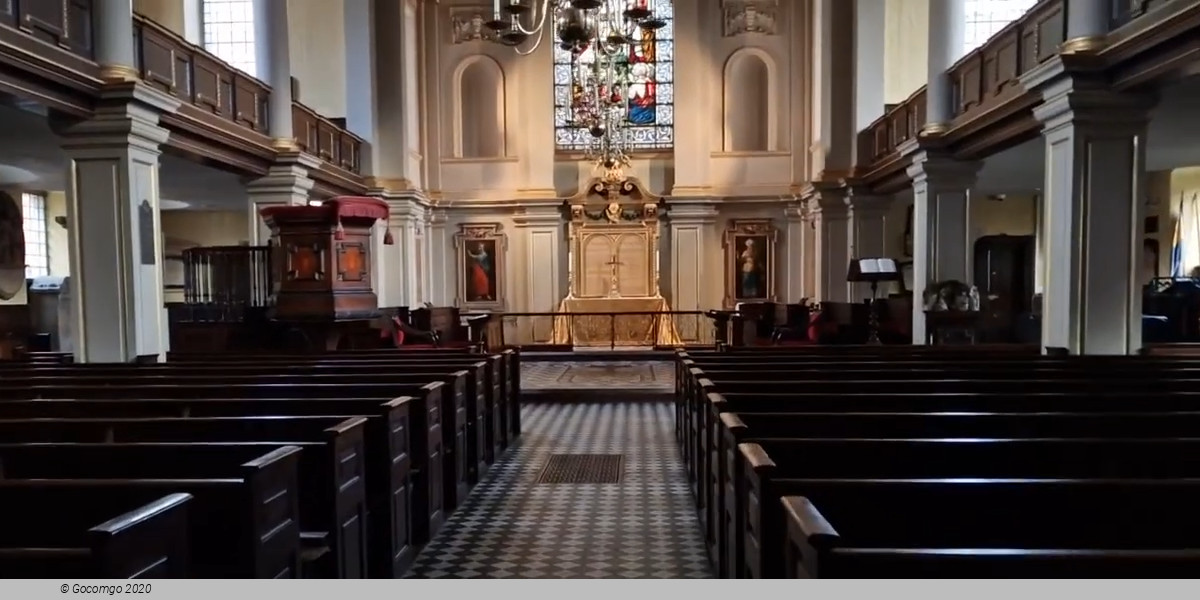
St George's Church, Hanover Square is a celebrated Georgian church in the heart of Mayfair, situated on Hanover Square, a short walk from Oxford Circus and Bond Street. Built between 1721 and 1725 to the designs of architect John James, it was one of the churches commissioned under Queen Anne’s 1711 Act for the construction of fifty new places of worship in London. Its elegant classical façade, dominated by a projecting portico with six monumental Corinthian columns, gives the building a distinguished presence within the historic square. With its Georgian architecture, exceptional artistic details and close connection to Handel, St George’s Hanover Square is an especially appealing destination for lovers of classical music. It brings together the heritage of Mayfair and a living musical tradition in one of London’s most characterful historic churches.
Camberwell Church Street
St Giles' Church—also known as St Giles' without Cripplegate—is one of the few surviving medieval churches in the City of London. Situated within the Barbican complex, it offers a striking contrast between centuries-old architecture and the surrounding modernist buildings. The church's origins date back to around 1090, when a Norman place of worship was established near Cripplegate, one of the gates in the former Roman and medieval city walls. With its medieval architecture, remarkable historical associations and active musical life, St Giles' Church provides a distinctive setting for classical and choral performances in the heart of the City of London.
Fore St, Barbican
St Giles in the Fields is a historic Anglican church in London’s West End, situated on St Giles High Street between Covent Garden, Bloomsbury and Soho. Despite its central location, it offers a peaceful retreat from the surrounding streets. The church has a history stretching back to 1101, when Queen Matilda, wife of Henry I, founded a leper hospital on the site. Its chapel gradually became a place of worship for the local community, and the parish church has served the neighbourhood for more than nine centuries. With its Palladian architecture, remarkable historical associations and living choral tradition, St Giles-in-the-Fields offers an atmospheric setting for music and cultural events in the heart of London.
St James' Lane
St James, Muswell Hill is a prominent Anglican church in Muswell Hill, north London, occupying an elevated position at the junction of Muswell Hill Road and St James’s Lane. Often called the “Church on the Hill”, it is one of the area's most recognisable landmarks, with its tall tower and spire visible from several surrounding streets. The church has served the local community since the 19th century, when the original, more modest building was established to accommodate the growing population of Muswell Hill. Combining an impressive Gothic Revival building, a strong connection with the history of Muswell Hill and an active programme of music and community events, St James’s Church offers a welcoming setting for classical performances in north London.
Garlick Hill, EC4V 2AF
St James Garlickhythe is a historic Anglican church in the Vintry district of the City of London, close to the River Thames and the former medieval waterfront. A church has stood on Garlick Hill since at least the Anglo-Saxon period; its earliest documented reference appears in a will dating from around 1100. The name Garlickhythe recalls the nearby wharf where garlic was once unloaded and sold, reflecting the area's importance as a centre of medieval trade. With its remarkable Wren architecture, luminous interior and centuries-old musical heritage, St James Garlickhythe offers an intimate and atmospheric setting for classical and choral performances in the historic heart of London.
Spanish Place, 22 George Street
Catholic Church of Saint James—also known as St James’s Spanish Place—is a distinguished Roman Catholic church in Marylebone, central London, close to Marylebone High Street and a short walk from Baker Street and Bond Street stations. Its origins lie in the Catholic community that developed in London after the Reformation, with particularly strong historical connections to Spanish Catholics living in the capital. The name Spanish Place recalls the church’s earlier location and the diplomatic and religious community associated with Spain. Still an active parish church, St James’s Spanish Place combines its spiritual role with a remarkable architectural and artistic heritage. Its peaceful atmosphere, elaborate Gothic interior and long-standing connections with London’s Catholic community make it a notable destination for visitors interested in religious architecture and sacred music.
197 Piccadilly
St James's Piccadilly is a historic Anglican church in the heart of London’s West End, located on Piccadilly between Green Park and Piccadilly Circus. Designed by Sir Christopher Wren and consecrated in 1684, it is one of the architect’s finest surviving churches and a Grade I-listed landmark. Despite its central location, the church is set slightly back from the busy thoroughfare, with a peaceful courtyard and garden providing a welcome contrast to the surrounding streets. With its Wren architecture, celebrated Gibbons carvings and longstanding artistic connections, St James’s Church, Piccadilly is a distinctive cultural venue in central London. Its combination of historic surroundings, intimate concerts and an active creative programme makes it an appealing destination for classical music and the wider arts.
Sylvan Road
St John the Evangelist, Upper Norwood is a remarkable Victorian church in Upper Norwood, south London, situated on an elevated site at the junction of Sylvan Road and Auckland Road, close to Crystal Palace. Locally known as the “Church in the Woods”, it has been a place of worship, music and community life for almost 150 years. Its imposing Gothic architecture and spacious interior make it one of the area's most distinctive historic buildings. With its monumental Victorian architecture, strong choral heritage and excellent acoustics, St John the Evangelist offers a distinctive setting for classical music in south London. Its combination of historic character and an active musical life makes it an appealing destination for concerts and recordings alike.
73 Waterloo Rd, SE1 8TY
Located directly opposite Waterloo Station, on the South Bank, St John’s Waterloo is a historic church that has developed into a distinctive venue for music and the arts. Its convenient position places it within easy reach of the Southbank Centre, the Old Vic and the National Theatre, making it a natural part of London’s lively cultural quarter. Today, St John’s Waterloo is both a significant historic landmark and a versatile South Bank performance venue. Its combination of Greek Revival architecture, post-war art, carefully renewed spaces and varied musical programming gives it a character distinct from London’s purpose-built concert halls.
37 Bromley Road
Located on Bromley Road in Catford, south-east London, St Laurence Church is a distinctive example of post-war ecclesiastical architecture. More than a place of worship, it serves as an active community and cultural venue, hosting concerts, rehearsals, screenings and other events. Its long-standing musical tradition has made it a welcoming setting for classical music performances, particularly vocal and chamber programmes. With its unusual architecture, luminous stained-glass interior and strong connection to the local community, St Laurence Church offers a distinctive alternative to London’s more conventional concert venues. Its welcoming scale and musical tradition make it a particularly appealing setting for intimate vocal and chamber performances.
St Margaret's Street, SW1P 3JX
Situated on Parliament Square, directly beside Westminster Abbey and facing the Houses of Parliament, St Margaret’s Church is one of London’s most historically significant religious buildings. Often known as the “Church on Parliament Square”, it has served as the parish church of the House of Commons since 1614 and remains closely connected with the ceremonial and spiritual life of the British Parliament. With its medieval architecture, exceptional stained glass and enduring links to the British Parliament, St Margaret’s offers a particularly atmospheric setting in the heart of historic Westminster. It is an active place of worship as well as an important monument, where centuries of English religious, political and artistic history come together.
West Street
St Martin's Theatre is a West End theatre which has staged the production of The Mousetrap since March 1974, making it the longest continuous run of any show in the world. The first production at the St Martin's was the spectacular Edwardian musical comedy Houp La!, starring Gertie Millar, which opened on 23 November 1916. The producer was the impresario Charles B. Cochran, who took a 21-year lease on the new theatre.
Trafalgar Square
Occupying a prominent position on the north-east corner of Trafalgar Square, St Martin-in-the-Fields is one of London’s best-known churches and a distinguished centre for classical music. Its elegant white portico and soaring spire are familiar features of the square, while its welcoming atmosphere and varied cultural programme attract both Londoners and visitors from around the world. With its remarkable architecture, celebrated musical heritage and central location, St Martin-in-the-Fields offers an appealing setting for performances ranging from intimate vocal recitals to larger-scale classical concerts. It is also an active parish church with a long tradition of social outreach, bringing together worship, music and community life in one of London’s most recognisable cultural landmarks.
Upper Street
Situated on Upper Street in the heart of Islington, St Mary’s Church is one of north London’s most historic parish churches. Its prominent tower and spire are familiar local landmarks, while its location near Islington Town Hall places it within a lively neighbourhood of theatres, restaurants and independent shops. Today, the church combines its long religious heritage with an active programme of music and community events. With its layered history, distinctive combination of Georgian and post-war architecture, and welcoming musical programme, St Mary’s offers an appealing setting for classical performances in north London. It remains both a working parish church and a community gathering place, bringing together heritage, worship and live music on one of Islington’s principal streets.
The Strand
Situated on the Strand, close to Somerset House and King’s College London, St Mary le Strand is one of central London’s finest examples of English Baroque architecture. Its distinctive silhouette, ornate exterior and richly decorated interior make it a striking landmark in the heart of the city. Once surrounded by busy traffic, the church now stands within a pedestrianised public space, offering a quieter setting amid the activity of the Strand and Aldwych. A Grade I listed building, St Mary le Strand remains both an active Church of England parish church and a cultural landmark. Its architectural distinction, fascinating history and varied musical programme make it a memorable destination for visitors exploring London’s historic Strand and a characterful setting for concerts in the city centre.
17 Marylebone Road
Situated on Marylebone Road, close to Baker Street and Regent’s Park, St Marylebone Parish Church is one of central London’s most impressive Regency-era churches. Its monumental Corinthian portico and prominent tower make it a striking architectural landmark, while its long-standing musical tradition has established it as a respected venue for classical concerts and choral performances.
South Grove
Standing on one of the highest points in London, overlooking Highgate Cemetery, St Michael’s Church is a prominent landmark in the historic village of Highgate. Its elevated position and slender spire give it a distinctive place in the North London skyline, while its rich architectural and musical heritage make it an interesting destination for visitors and concertgoers alike. With its commanding position, layered Gothic Revival architecture, distinguished stained glass and connections to Samuel Taylor Coleridge, St Michael’s offers a distinctive setting for music and cultural events in Highgate. It remains an active parish church, bringing together historic character, worship and community life.
St. Paul's Churchyard
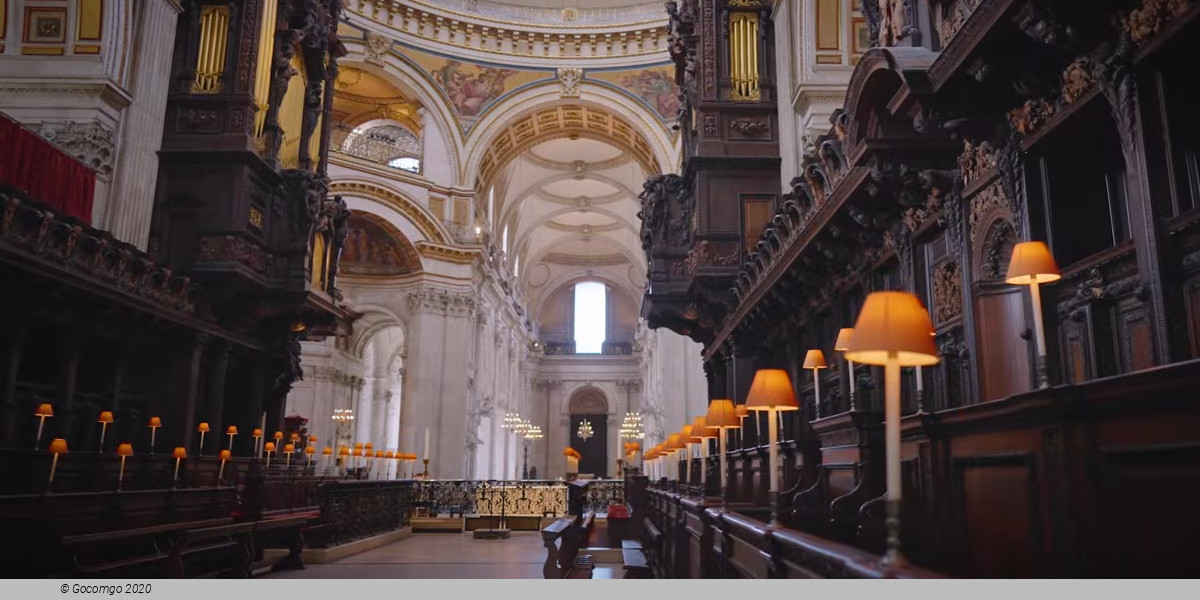
One of London’s most recognisable landmarks, St Paul’s Cathedral stands on Ludgate Hill in the heart of the City of London. Its magnificent dome dominates the skyline and has become an enduring symbol of the capital. Beyond its architectural grandeur, the cathedral is an active place of worship, a major centre of national ceremonies and a distinguished venue for choral and classical music. Today, St Paul’s Cathedral combines its historic and spiritual purpose with a varied programme of music, exhibitions, talks and cultural events. Its extraordinary architecture, distinguished musical tradition and place in British history make it one of London’s essential landmarks and an exceptional setting for memorable performances.
Top of page