
Dutch National Opera tickets 31 October 2026 - Swan Lake | GoComGo.com

Swan Lake

Dutch National Opera, Main Stage, Amsterdam, Netherlands
All photos (4)
Select date and time
7:30 PM
From
US$ 136

E-tickets: Print at home or at the box office of the event if so specified. You will find more information in your booking confirmation email.

You can only select the category, and not the exact seats.
If you order 2 or 3 tickets: your seats will be next to each other.
If you order 4 or more tickets: your seats will be next to each other, or, if this is not possible, we will provide a combination of groups of seats (at least in pairs, for example 2+2 or 2+3).

Important Info
Type: Ballet
City: Amsterdam, Netherlands
Starts at: 19:30
Acts: 4
Intervals: 2
Duration: 3h 25min

E-tickets: Print at home or at the box office of the event if so specified. You will find more information in your booking confirmation email.

You can only select the category, and not the exact seats.
If you order 2 or 3 tickets: your seats will be next to each other.
If you order 4 or more tickets: your seats will be next to each other, or, if this is not possible, we will provide a combination of groups of seats (at least in pairs, for example 2+2 or 2+3).

Cast
Performers
Conductor: Fayçal Karoui
Orchestra: Dutch Ballet Orchestra
Ballet company: Dutch National Ballet
Ensemble: Junior Company
Creators
Composer: Pyotr Tchaikovsky
Choreographer: Lev Ivanov
Choreographer: Rudi van Dantzig
Choreography: Marius Petipa
Choreography: Toer van Schayk
Overview

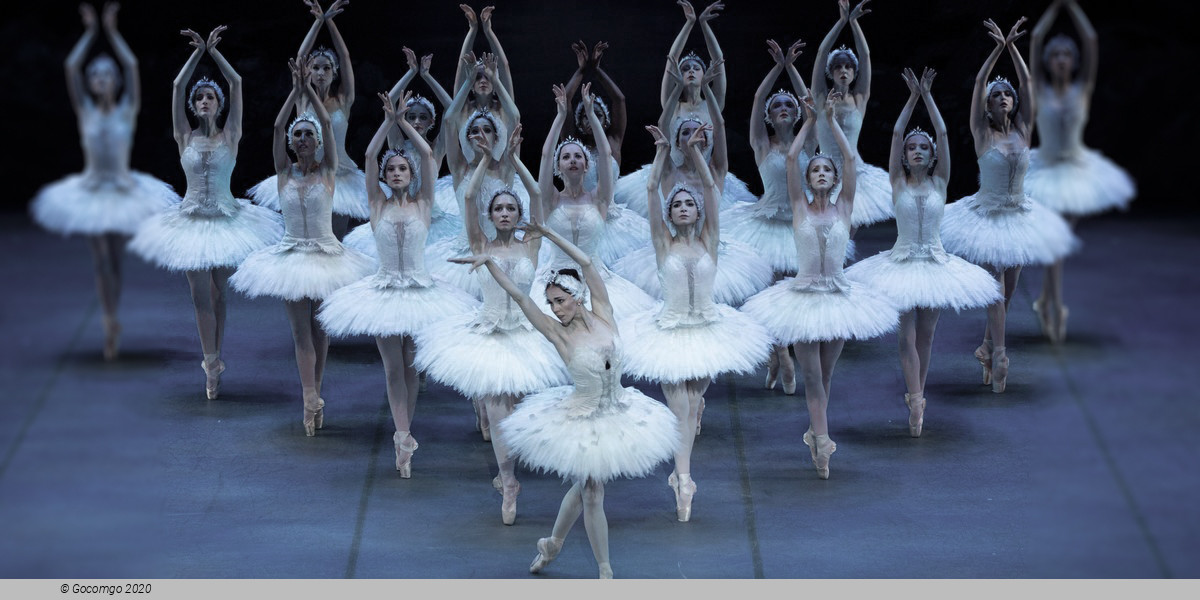
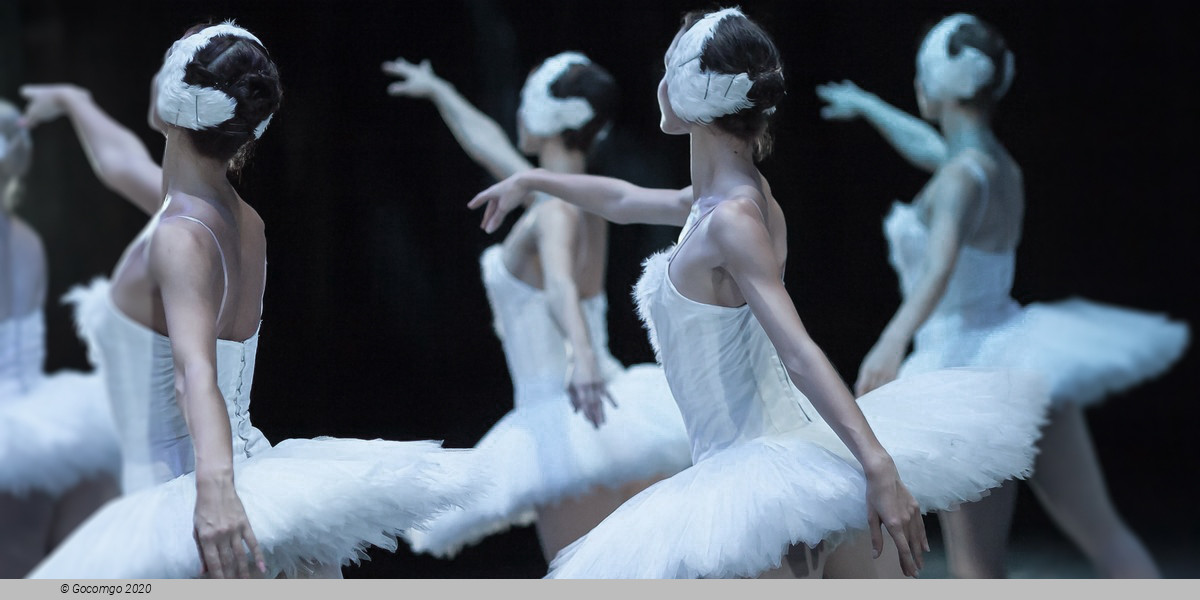
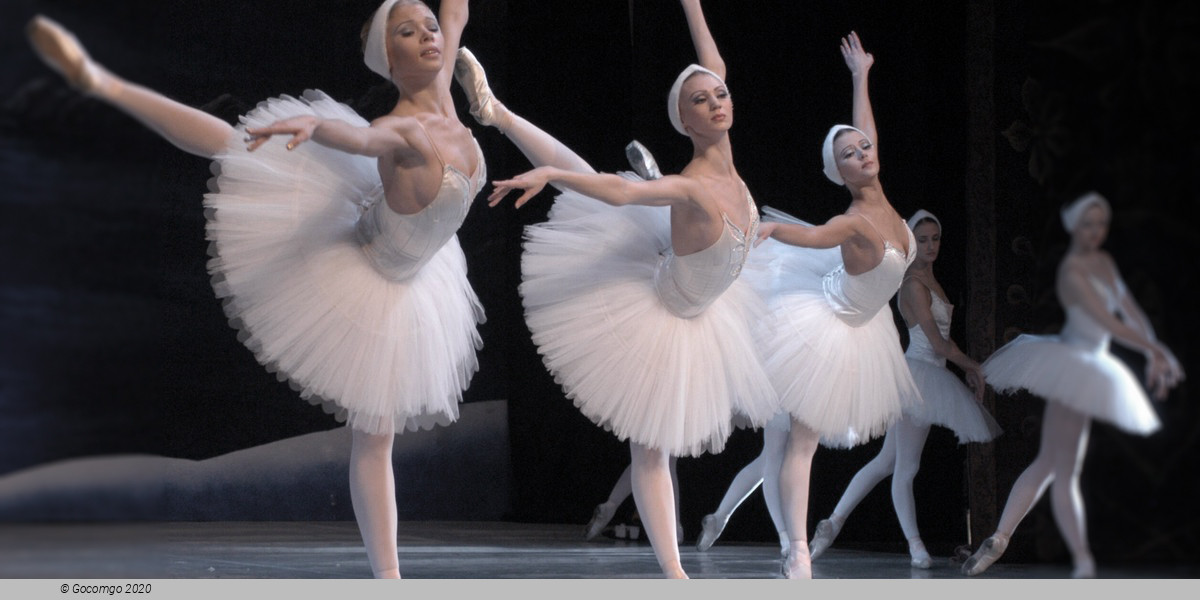
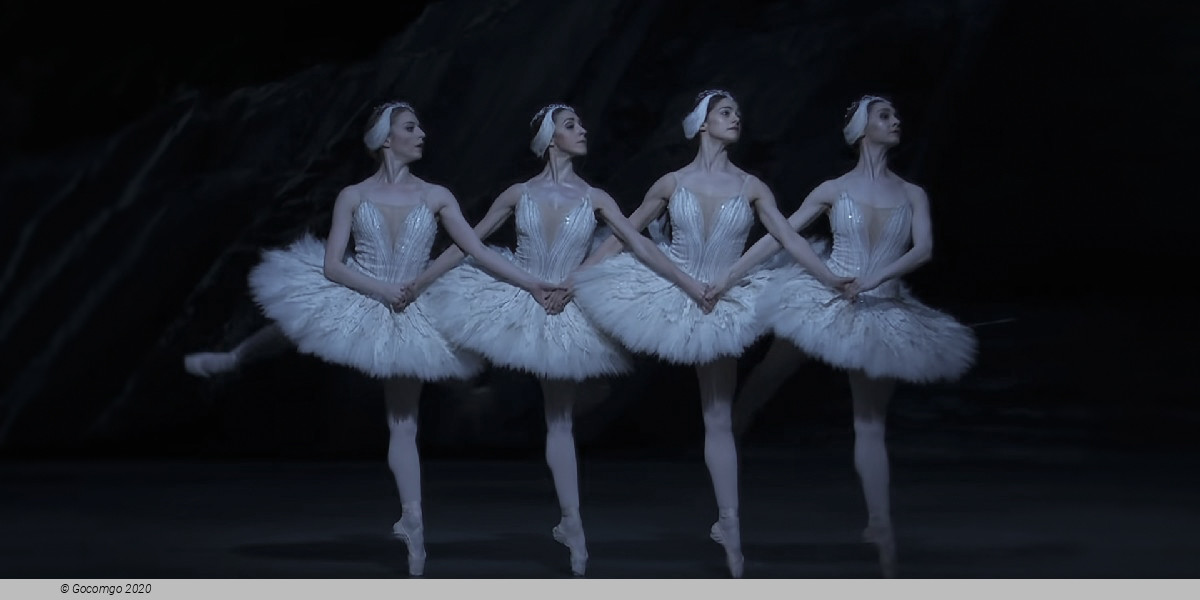
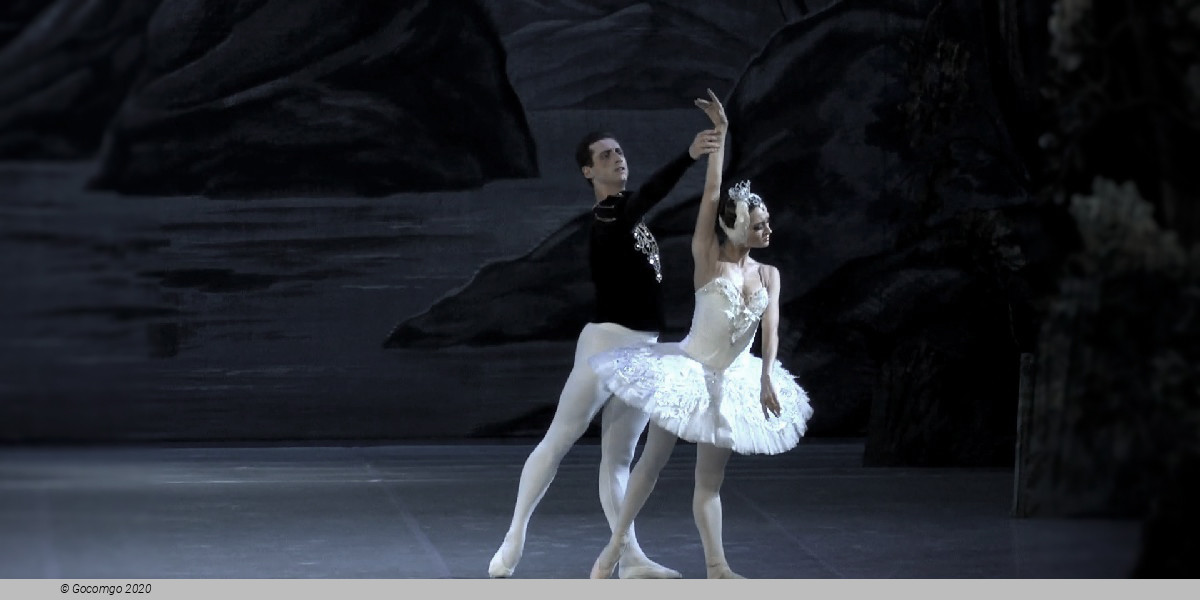
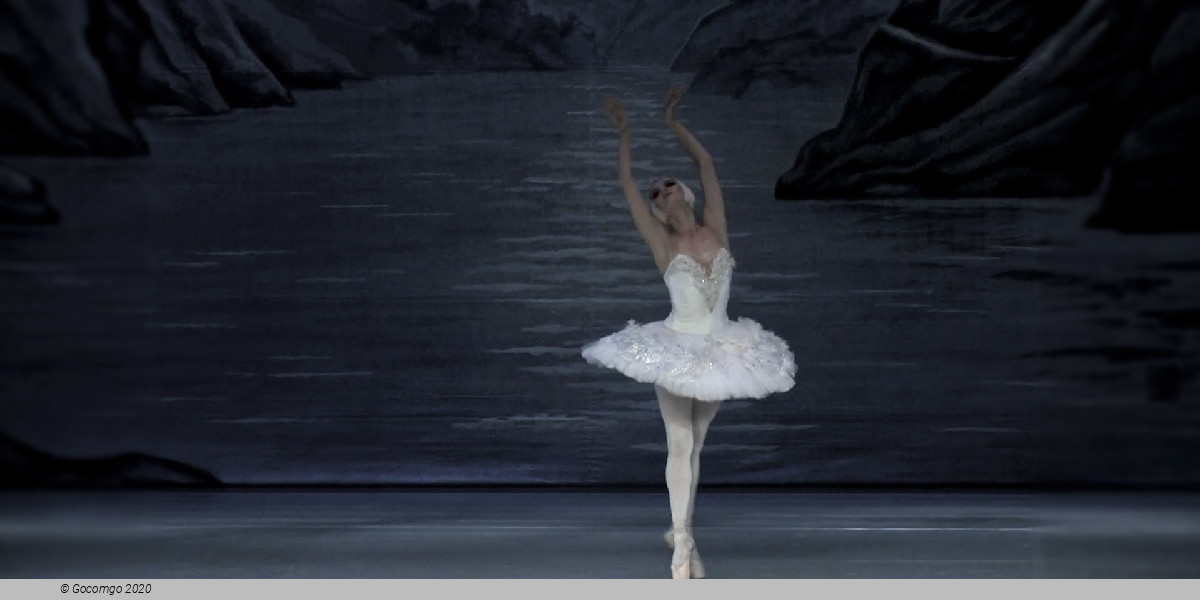
White tutus, a compelling love story and 'goosebumps music': no production is more symbolic of classical ballet than Swan Lake. One hundred and fifty years after Pyotr Ilyich Tchaikovsky wrote his masterpiece, this is still a ballet that you must have seen.                                                                             

When Tchaikovsky composed his iconic Swan Lake music in 1877, it was not a success. It was not until 1895 that the piece became popular, thanks to the choreography of Marius Petipa and Lev Ivanov. The preserved parts of this choreography have since been picked up and adapted worldwide. Also by choreographer Rudi van Dantzig, former artistic director of Dutch National Ballet, who in 1988, according to a leading reviewer, created the 'most beautiful Swan Lake ever 


Rudi van Dantzig (1931–2012) was a distinguished Dutch choreographer who led the Dutch National Ballet for many years. He was not the creator of the original Swan Lake (which premiered in 1877 with Tchaikovsky's music and Reisinger's choreography, and gained worldwide fame in the 1895 version by Petipa and Ivanov). In 1988, van Dantzig created his own choreographic version — not just an adaptation, but a complete reimagining.

His main goal was bold for its time: to dust off the "museum piece" and make the old music speak to audiences of the 1980s and beyond in the language of psychology, not fairy tale. He removed the magic and turned the story of the swan into the tragedy of a person who seeks an ideal, cannot find it, and shatters against reality.

At the core of van Dantzig's version is not the struggle between good and evil, but the collapse of a dream. Prince Siegfried suffers not from the sorcerer's evil spells, but from the impossibility of living up to his own ideals. Odette is not an enchanted girl, but a symbol of purity and unattainable beauty — an ideal he carries within his soul. Rothbart is not a magician, but a projection of the pressures of the world in which the prince is suffocating.

Furthermore, van Dantzig was deeply inspired by Tchaikovsky's biography. He studied the composer's letters and saw in them the same pain — the need to hide one's true nature, to conform to conventions, to suffer in solitude. During the performance, portraits of an aging Tchaikovsky appear on the curtain, creating an invisible but very important link between the composer's fate and the prince's tragedy.

In the classical version, Siegfried often seems passive: he simply falls in love, then makes a mistake, then begs for forgiveness. In van Dantzig's version, he is the central nerve of the performance. He is a naive, dreamy young man suffocating under court ceremonies. He does not want to rule, does not want to stand around at the ball, does not want to make the choice expected of him. Odette becomes for him not so much a beloved, but the embodiment of everything he lacks in life: sincerity, beauty, freedom.

In the original, the prince's friend Benno is a minor figure. Van Dantzig not only gives him a new name — Alexander — but turns him into a key character. Alexander is the only one who understands Siegfried. He arranges his celebration, accompanies him to the lake, tries to support him after the betrayal. This figure makes the prince's loneliness even more palpable: if you have a friend, but he cannot save you — the tragedy only deepens.

In van Dantzig's version, there are no real transformations. Odette appears not as the sorcerer's prisoner, but as a vision of Siegfried — his ideal, taking the form of a girl in white. Odile is not Rothbart's daughter, but temptation — a sensual shadow of the ideal. When Siegfried dances with her and swears his love, he betrays not a specific woman, but his own dream. Rothbart is not an evil magician, but rather a force that governs this world: cold, demanding, relentless.

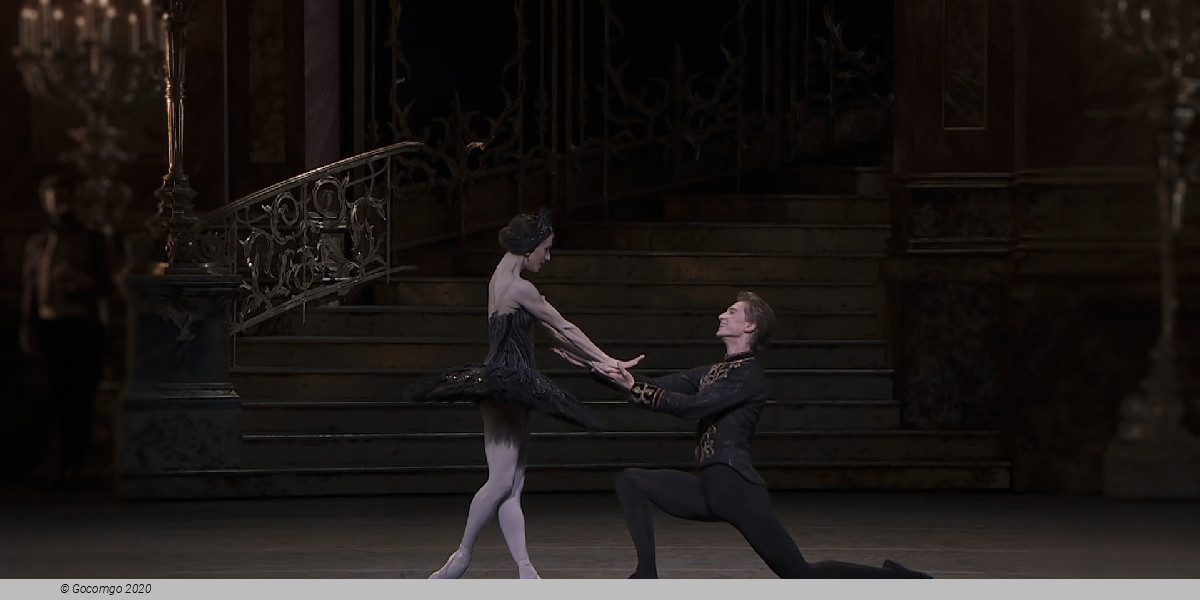
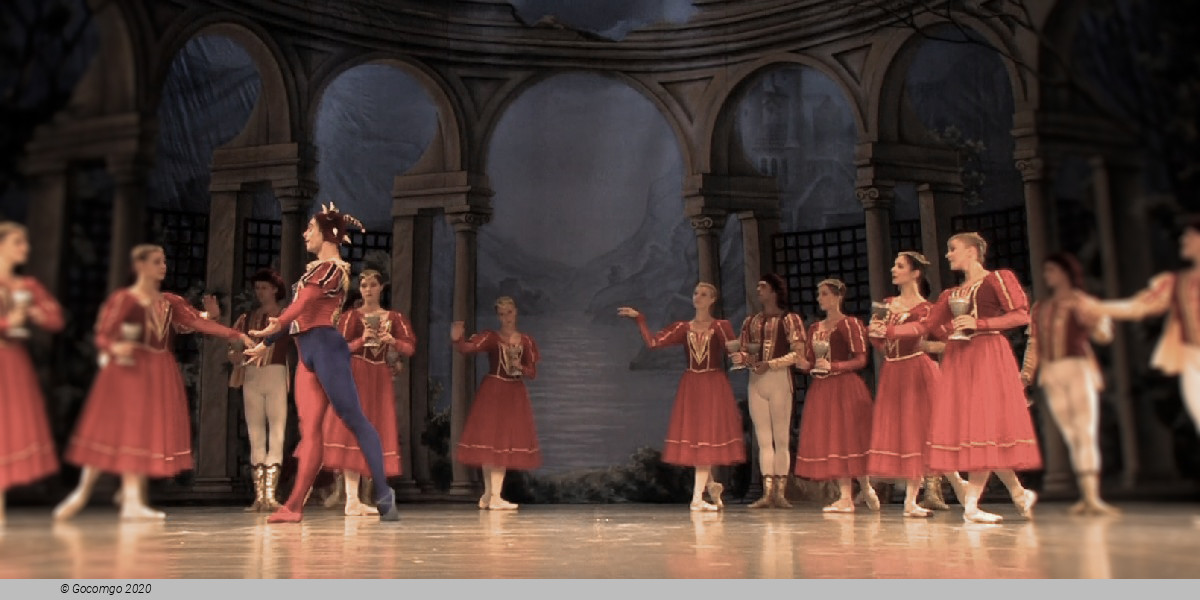
Despite all his innovation, van Dantzig fully understood the greatness of the material he was working with. He preserved the most famous fragments of the traditional choreography — the second act (the "white act") as staged by Lev Ivanov, and the Black Swan pas de deux with its 32 fouettés. However, the character dances (Hungarian, Spanish, Neapolitan, and Polish) in the third act were completely reworked. They were staged by Toer van Schayk — van Dantzig's long-time collaborator, who also designed the sets and costumes for this version. The visual style of the production is inspired by the golden painting of the 17th-century Dutch masters.

The 1988 production became one of the hallmarks of the Dutch National Ballet and is still performed regularly. Critics call it "Swan Lake for the thinking viewer" and one of the most important psychological ballets of the 20th century. Rudi van Dantzig's version is not a story about an enchanted girl. It is the tragedy of a person who cannot live by the rules, who creates an ideal in his own soul, then betrays it — and ends up in utter loneliness. There is no evil sorcerer here. There is only a world that breaks dreamers.

History
Premiere of this production: 04 March 1877, Bolshoi Theatre, Moscow

Swan Lake is a ballet composed by Pyotr Ilyich Tchaikovsky in 1875–76. Despite its initial failure, it is now one of the most popular of all ballets. Swan Lake is the ballet which embodies the soul of Russian art. The combination of brilliant music and choreography creates a special kind of magic; what the great 20th century choreographer George Balanchine had in mind when he famously said, “One should call every ballet Swan Lake because then people would come.”

Synopsis

Swan Lake is generally presented in either four acts, four scenes (primarily outside Russia and Eastern Europe) or three acts, four scenes (primarily in Russia and Eastern Europe). The biggest difference of productions all over the world is that the ending, originally tragic, is now sometimes altered to a happy ending.

Prologue
Some productions include a prologue that shows how Odette first meets Rothbart, who turns Odette into a swan.

Act 1

A magnificent park before a palace

[Scène: Allegro giusto] Prince Siegfried is celebrating his birthday with his tutor, friends and peasants [Waltz]. The revelries are interrupted by Siegfried's mother, the Queen [Scène: Allegro moderato], who is concerned about her son's carefree lifestyle. She tells him that he must choose a bride at the royal ball the following evening (some productions include the presentation of some possible candidates). Siegfried is upset that he cannot marry for love. His friend Benno and the tutor try to lift his troubled mood. As evening falls [Sujet], Benno sees a flock of swans flying overhead and suggests they go on a hunt [Finale I]. Siegfried and his friends take their crossbows and set off in pursuit of the swans.

Act 2

A lakeside clearing in a forest by the ruins of a chapel. A moonlit night.

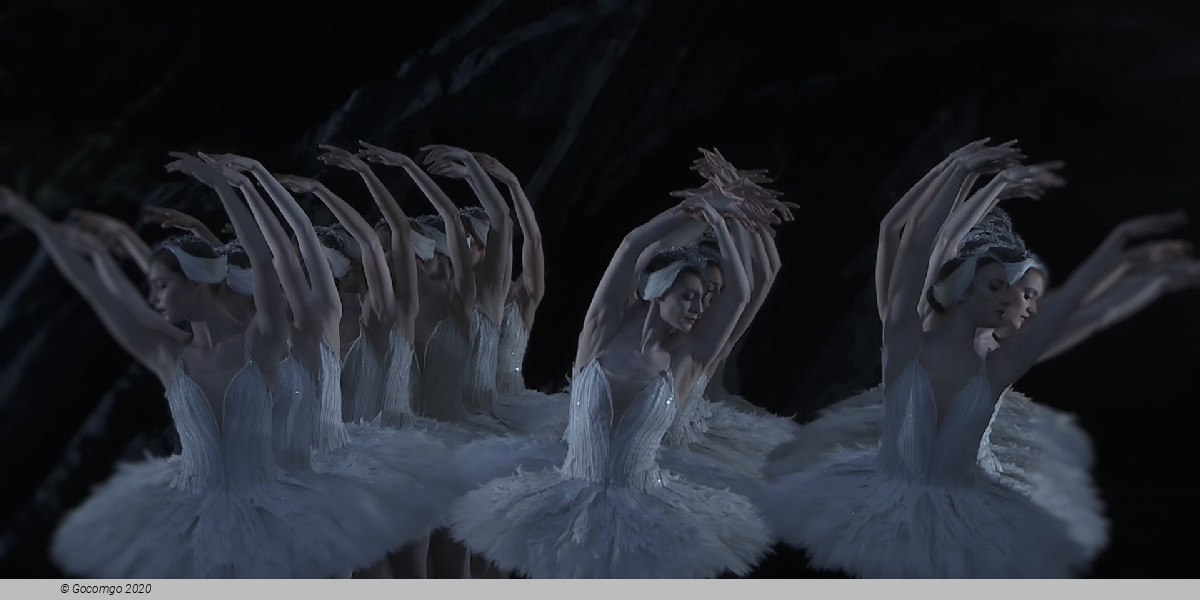
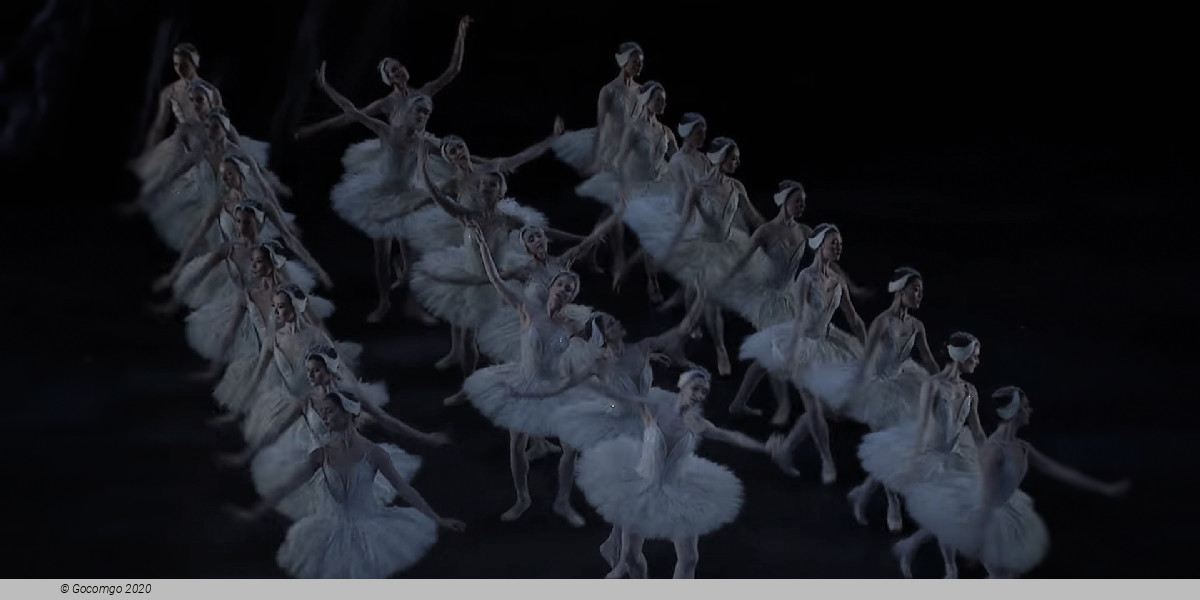
The "Valse des cygnes" from act 2 of the Ivanov/Petipa edition of Swan Lake
Siegfried has become separated from his friends. He arrives at the lakeside clearing, just as a flock of swans land [Scène. Moderato]. He aims his crossbow [Scène. Allegro moderato], but freezes when one of them transforms into a beautiful maiden, Odette [Scène. Moderato]. At first, she is terrified of Siegfried. When he promises not to harm her, she explains she and her companions are victims of a spell cast by the evil owl-like sorcerer Rothbart. By day they are turned into swans and only at night, by the side of the enchanted lake – created from the tears of Odette's mother – do they return to human form. The spell can only be broken if one who has never loved before swears to love Odette forever. Rothbart suddenly appears [Scène. Allegro vivo]. Siegfried threatens to kill him but Odette intercedes – if Rothbart dies before the spell is broken, it can never be undone.

As Rothbart disappears, the swan maidens fill the clearing [Scène: Allegro, Moderato assai quasi andante]. Siegfried breaks his crossbow, and sets about winning Odette's trust as the two fall in love. But as dawn arrives, the evil spell draws Odette and her companions back to the lake and they are turned into swans again.

Act 3

An opulent hall in the palace

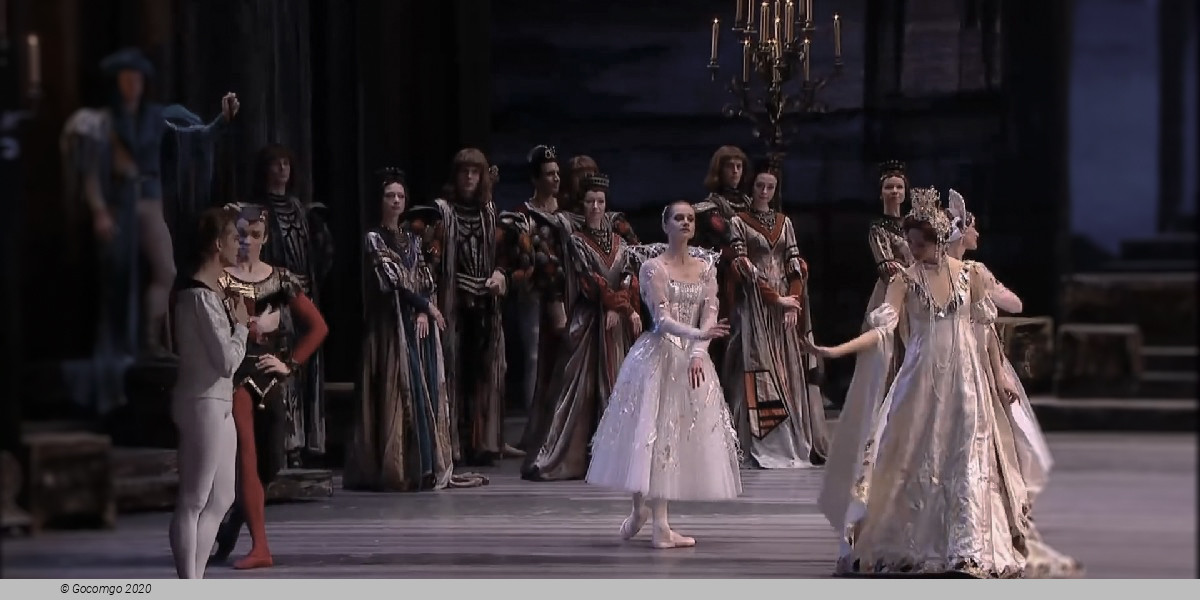
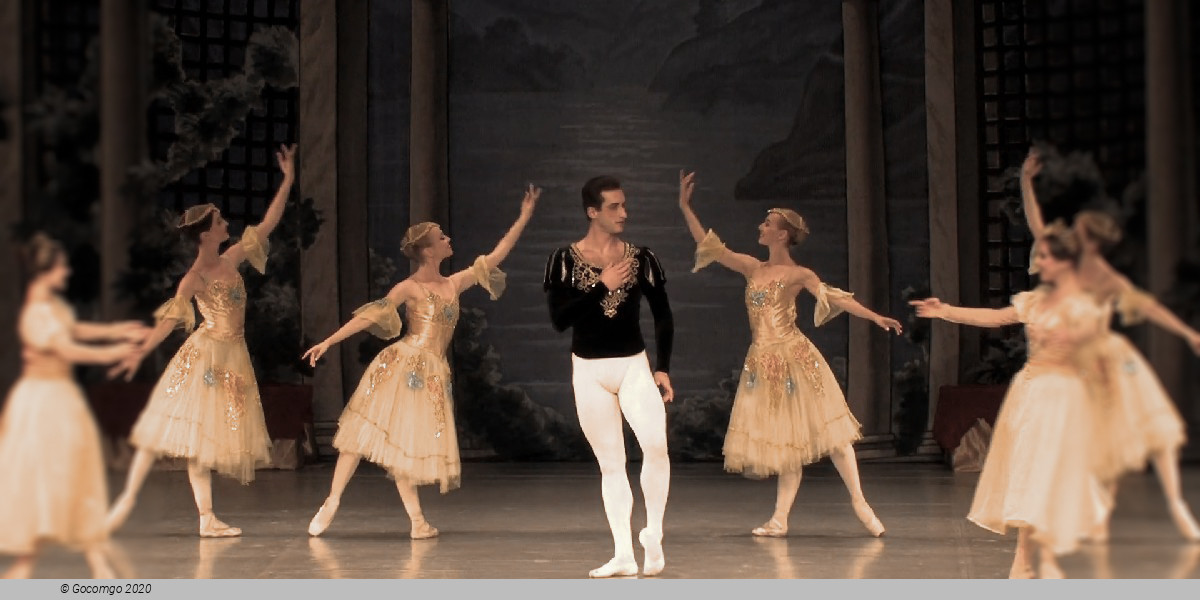
Guests arrive at the palace for a costume ball. Six princesses are presented to the prince [Entrance of the Guests and Waltz], as candidates for marriage. Rothbart arrives in disguise [Scène: Allegro, Allegro giusto] with his daughter, Odile, who is transformed to look like Odette. Though the princesses try to attract the prince with their dances [Pas de six], Siegfried has eyes only for Odile. [Scène: Allegro, Tempo di valse, Allegro vivo] Odette appears (usually at the castle window) and attempts to warn Siegfried, but he does not see her. He then proclaims to the court that he will marry "Odette" (Odile) before Rothbart shows him a magical vision of Odette. Grief-stricken and realizing his mistake, Siegfried hurries back to the lake.

Act 4

By the lakeside

Odette is distraught. The swan-maidens try to comfort her. Siegfried returns to the lake and makes a passionate apology. She forgives him, but his betrayal cannot be undone. Rather than remain a swan forever, Odette chooses to die. Siegfried chooses to die with her and they leap into the lake. This breaks Rothbart's spell over the swan maidens, causing him to lose his power over them and he dies. In an apotheosis, the swan maidens watch as Siegfried and Odette ascend into the Heavens together, forever united in love.

Venue Info

Dutch National Opera - Amsterdam
Location   Amstel 3

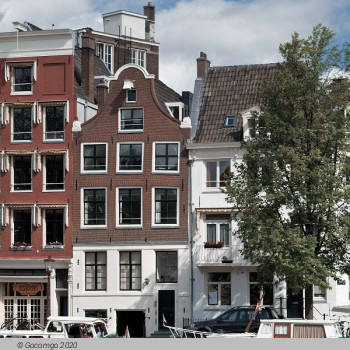
The Dutch National Opera is the largest theatre production house in the Netherlands. Situated in the heart of Amsterdam, the iconic theatre of Dutch National Opera & Ballet offers a magnificent view of the River Amstel and the famous Magere Brug (Skinny Bridge). The various spaces form an inspiring backdrop for a whole range of special events.

Dutch National Opera & Ballet is a young theatre with a long history. The plans for building a new theatre ran parallel to the plans for a new city hall. The first discussions held by the Amsterdam city council about building a new city hall and opera house go back to 1915. At that time, the plans were specifically for an opera house, since ballet was a relatively unknown art form back then.

Ideas for the site of the new city hall and opera house were continually changing, and the idea that both buildings could form a single complex only emerged much later. Sites considered for the new city hall were initially the Dam, followed by the Frederiksplein, and finally the Waterlooplein.

In 1955, the city council commissioned the firm of architects Berghoef and Vegter to draft a design for a city hall on the Waterlooplein. The draft was approved, but in 1964 the council ended the association with the architects, as the final design was nothing like the original plans they had been shown. In 1967, a competition was held for a new design, with the Viennese architect Wilhelm Holzbauer emerging as the winner. Amsterdam's financial problems, however, meant that the plans for the new city hall were put on hold for several years.

DNO has its own choir of sixty singers and technical staff of 260. DNO historically has not had its own resident orchestra, and so various orchestras of the Netherlands, including the Netherlands Philharmonic Orchestra (NPO), the Netherlands Chamber Orchestra (NKO), the Royal Concertgebouw Orchestra, the Rotterdam Philharmonic Orchestra, the Radio Filharmonisch Orkest and the Asko/Schönberg ensemble have provided the orchestral forces for DNO productions.

DNO produces on average eleven productions per year. While most performances are in the Dutch National Opera & Ballet building, the company has also performed in the Stadsschouwburg, at the Carré Theatre, and on the Westergasfabriek industrial site in Amsterdam. For many years, the June production has been organized as part of the Holland Festival and includes the participation of the Royal Concertgebouw Orchestra. DNO has lent its productions to foreign companies, such as the Metropolitan Opera, the Brooklyn Academy of Music, the Lincoln Center Festival in New York, as well as the Adelaide Festival in Australia.

Since 1988, the French-Lebanese theatre director Pierre Audi has been the artistic director of DNO. Audi is scheduled to conclude his DNO tenure in 2018. In April 2017, DNO announced the appointment of Sophie de Lint as the company's next artistic director, effective 1 September 2018.

Hartmut Haenchen was chief conductor from 1986 to 1999, in parallel with holding the title of chief conductor of the NPO. He subsequently held the title of principal guest conductor with DNO. Subsequent chief conductors have been Edo de Waart (1999-2004) and Ingo Metzmacher (2005-2008). In March 2009, DNO announced the appointment of Marc Albrecht as the orchestra's next chief conductor, with the 2011-2012 season, for an initial contract of four years. This return to a single chief conductor at both DNO and the NPO/NKO allows for the NPO to become the principal opera orchestra for DNO. Albrecht is scheduled to stand down as chief conductor of DNO at the end of the 2019-2020 season.

Important Info
Type: Ballet
City: Amsterdam, Netherlands
Starts at: 19:30
Acts: 4
Intervals: 2
Duration: 3h 25min
Top of page