

Mariinsky Theatre tickets 22 October 2026 - Coppélia | GoComGo.com

Coppélia

Mariinsky Theatre, Mariinsky II, Saint Petersburg, Russia
All photos (7)
Select date and time
7 PM
Request for Tickets
Important Info
Type: Ballet
City: Saint Petersburg, Russia
Starts at: 19:00
Acts: 2
Intervals: 1
Duration: 2h

E-tickets: Print at home or at the box office of the event if so specified. You will find more information in your booking confirmation email.

You can only select the category, and not the exact seats.
If you order 2 or 3 tickets: your seats will be next to each other.
If you order 4 or more tickets: your seats will be next to each other, or, if this is not possible, we will provide a combination of groups of seats (at least in pairs, for example 2+2 or 2+3).

Cast
Performers
Orchestra: Mariinsky Orchestra
Ballet company: Mariinsky Ballet
Creators
Composer: Léo Delibes
Choreographer: Alexander Sergeev
Choreographer: Arthur Saint-Léon
Librettist: Charles-Louis-Étienne Nuitter
Author: Ernst Theodor Amadeus Hoffmann
Overview

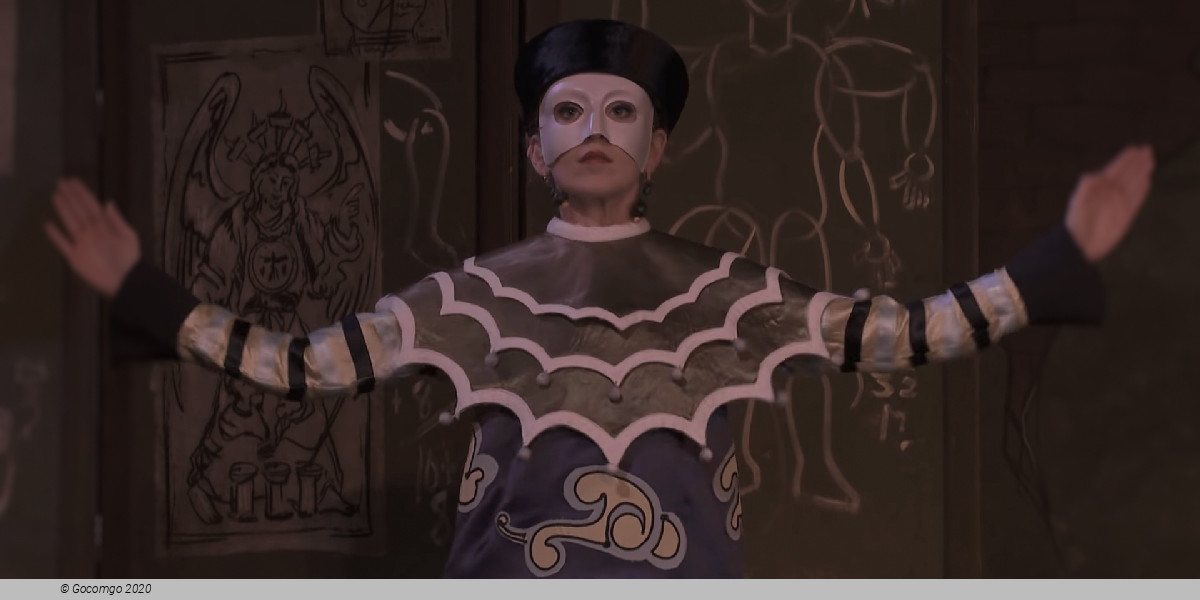
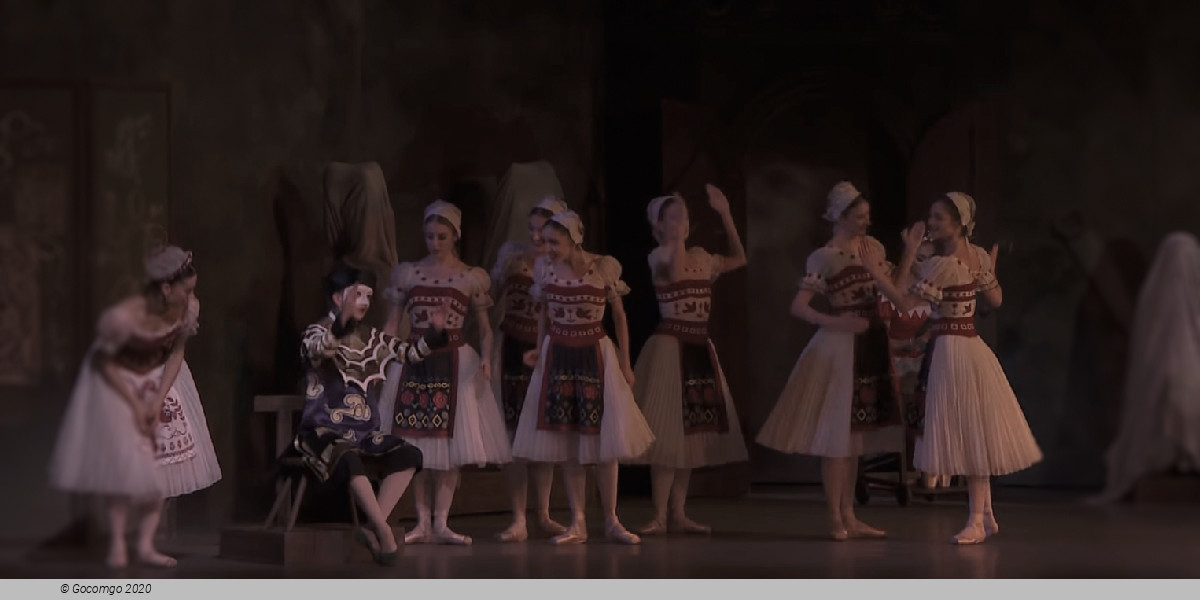
Choreographer Alexander Sergeev and designer Leonid Alexeev have crafted a family-friendly ballet spectacle that reinterprets a story penned over a century and a half ago about the creation of a doll eerily akin to humans, infusing it with a touch of magic.

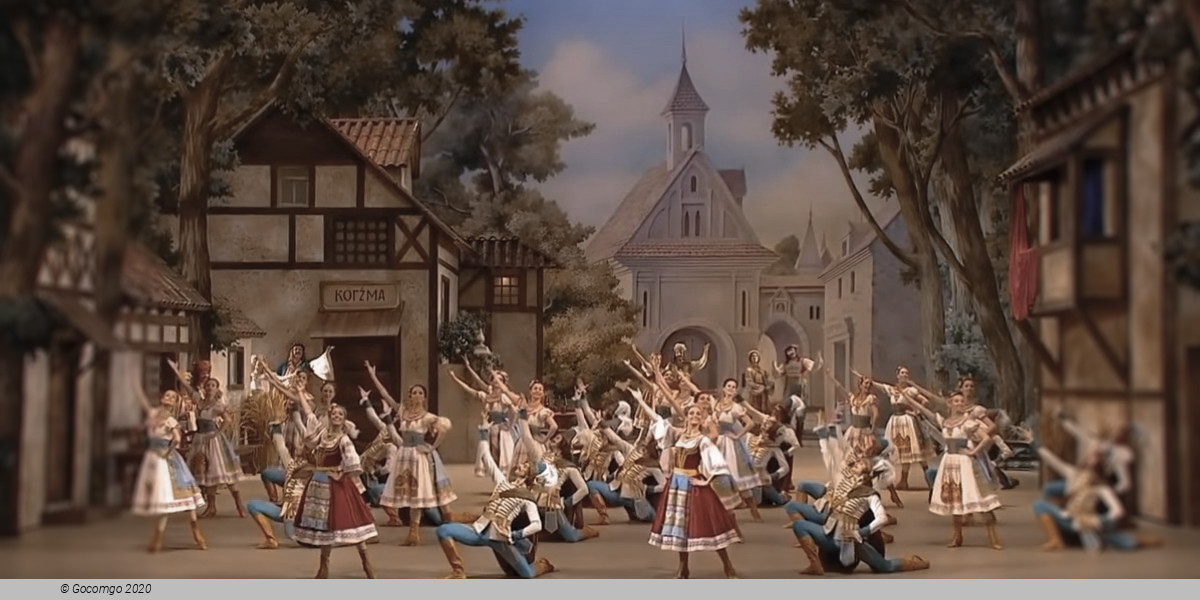
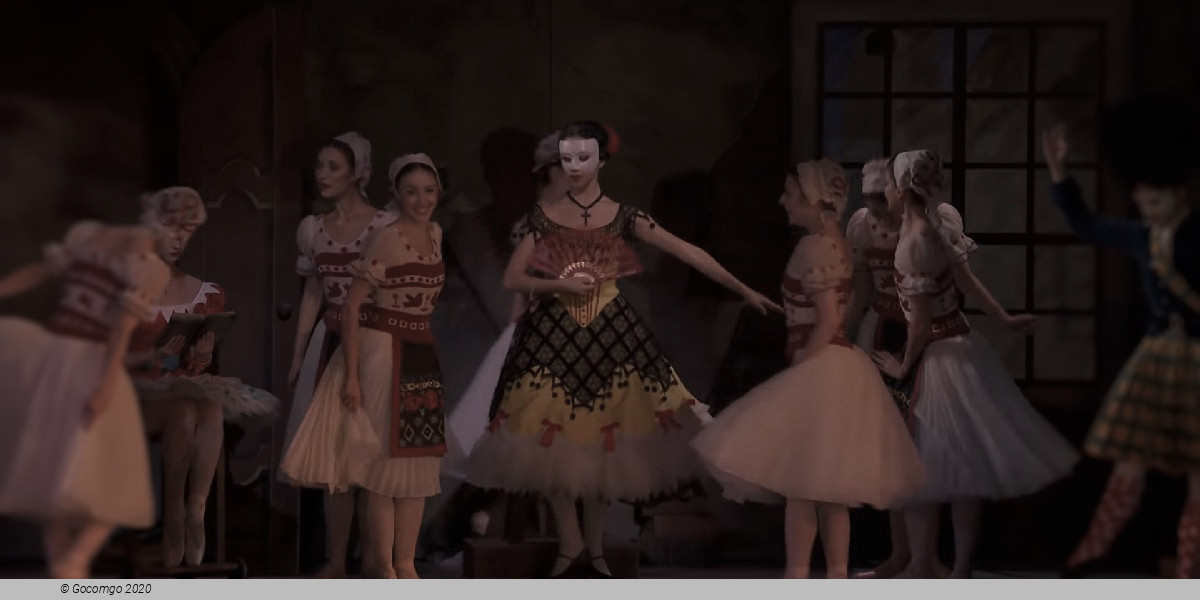
“We wanted the performance to remind one of a children’s book, hence we strived for a watercolour painting effect in the scenic designs,” the creators explain. The vibrant performance features dancers, dolls, kittens and even a teddy bear! Sergeev endowed each character with his unique choreographic language, offering the performers a mixture of intricate classical variations, spirited character dances, and elements of pantomime.

It was choreographed by Arthur Saint-Leon, the choreographer who had relinquished his post as head of the Petersburg Ballet to Marius Petipa. Saint-Leon was also a virtuoso dancer, an expert on dance folklore, composer, and violinist. It was his interest in folk dance that was responsible for the appearance in the music score of such a rich ’selection’ of dance melodies based on folklore. Coppelia is considered to be one of the first ballets to contain Slav motifs.

History
Premiere of this production: 25 May 1870, Théâtre Impérial l Opéra, Paris

Coppélia is a comic ballet originally choreographed by Arthur Saint-Léon to the music of Léo Delibes, with libretto by Charles-Louis-Étienne Nuitter. Nuitter's libretto and mise-en-scène was based upon two stories by E. T. A. Hoffmann: Der Sandmann (The Sandman) and Die Puppe (The Doll).

Synopsis

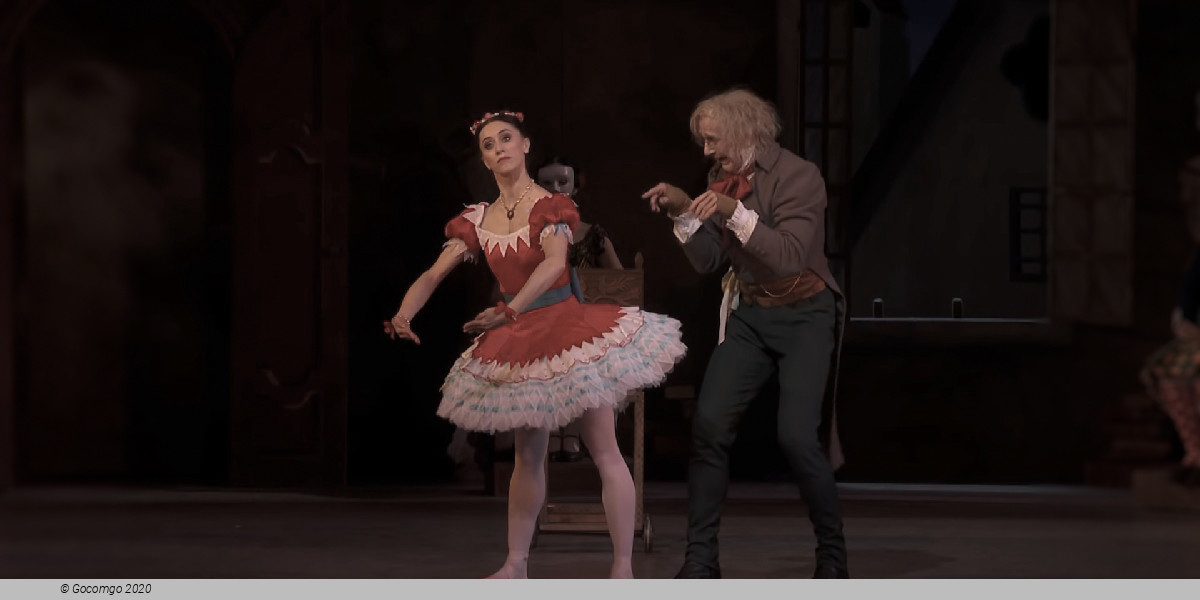
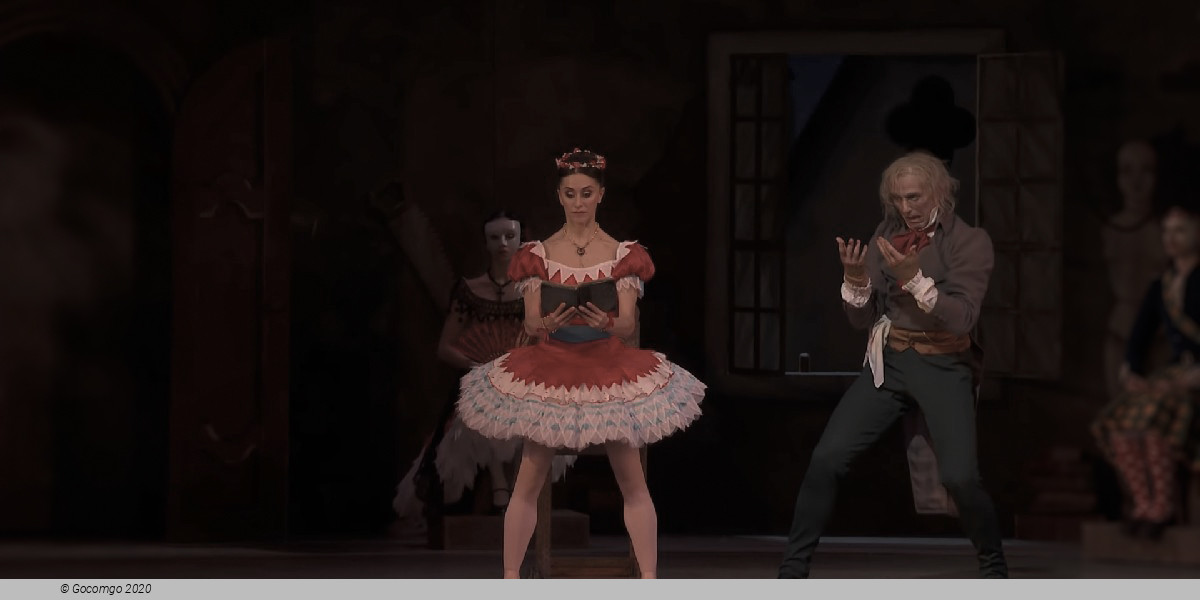
Dr. Coppélius is a doctor who has made a life-size dancing doll. It is so lifelike that Franz, a village youth, becomes infatuated with it and sets aside his heart's true desire, Swanhilda. She shows him his folly by dressing as the doll, pretending to make it come to life and ultimately saving him from an untimely end at the hands of the inventor.

Act I
The story begins during a town festival to celebrate the arrival of a new bell. The town crier announces that, when it arrives, anyone who becomes married will be awarded a special gift of money. Swanilda and Franz plan to marry during the festival. However, Swanilda becomes unhappy with Franz because he seems to be paying more attention to a girl named Coppélia, who sits motionless on the balcony of a nearby house. The house belongs to a mysterious and faintly diabolical inventor, Doctor Coppélius. Although Coppélia spends all of her time sitting motionless and reading, Franz is mesmerized by her beauty and is determined to attract her attention. Still upset with Franz, Swanilda shakes an ear of wheat to her head: if it rattles, then she will know that Franz loves her. Upon doing this, however, she hears nothing. When she shakes it by Franz's head, he also hears nothing; but then he tells her that it rattles. However, she does not believe him and runs away heartbroken.

Later on, Dr. Coppelius leaves his house and is heckled by a group of boys. After shooing them away, he continues on without realizing that he has dropped his keys in the melée. Swanilda finds the keys, which gives her the idea of learning more about Coppélia. She and her friends decide to enter Dr. Coppelius' house. Meanwhile, Franz develops his own plan to meet Coppélia, climbing a ladder to her balcony.

Act II
Swanilda and her friends find themselves in a large room filled with people. However, the occupants aren't moving. The girls discover that, rather than people, these are life-size mechanical dolls. They quickly wind them up and watch them move. Swanilda also finds Coppélia behind a curtain and discovers that she, too, is a doll.

Dr. Coppelius returns home to find the girls. He becomes angry with them, not only for trespassing but for also disturbing his workroom. He kicks them out and begins cleaning up the mess. However, upon noticing Franz at the window, Coppélius invites him in. The inventor wants to bring Coppélia to life but, to do that, he needs a human sacrifice. With a magic spell, he will take Franz's spirit and transfer it to Coppélia. After Dr. Coppelius proffers him some wine laced with sleeping powder, Franz begins to fall asleep. The inventor then readies his magic spell.

However, Dr. Coppelius did not expel all the girls: Swanilda is still there, hidden behind a curtain. She dresses up in Coppélia's clothes and pretends that the doll has come to life. She wakes Franz and then winds up all the mechanical dolls to aid their escape. Dr. Coppelius becomes confused and then saddened when he finds a lifeless Coppélia behind the curtain.

(Note: In some Russian versions of the ballet, after getting caught, Swanhilda confesses to Dr. Coppelius about what she and her friends did and her situation with Franz. Coppelius decides to forgive Swanhilda and teach her how to act like a doll coming to life to fool Franz, thus ending Act 2 on a happier note.)

Act III
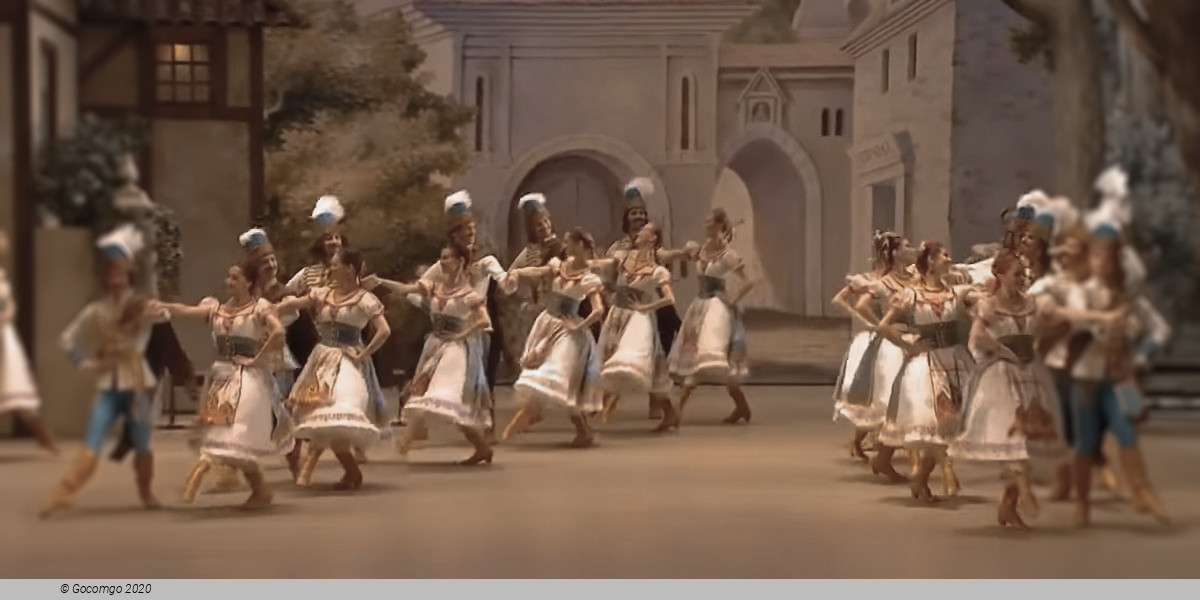
Swanilda and Franz are about to make their wedding vows when the angry Dr. Coppelius appears, claiming damages. Dismayed at having caused such an upset, Swanilda offers Dr. Coppelius her dowry in return for his forgiveness. However, Franz tells Swanilda to keep her dowry and offers to pay Dr. Coppelius instead. At that point, the mayor intervenes and gives Dr. Coppelius a bag of money, which placates him. Swanilda and Franz are married and the entire town celebrates by dancing.

Venue Info

Mariinsky Theatre - Saint Petersburg
Location   1 Theatre Square

The Mariinsky Theatre is a historic theatre of opera and ballet in Saint Petersburg, Russia. Opened in 1860, it became the preeminent music theatre of late 19th-century Russia, where many of the stage masterpieces of Tchaikovsky, Mussorgsky, and Rimsky-Korsakov received their premieres. Through most of the Soviet era, it was known as the Kirov Theatre. Today, the Mariinsky Theatre is home to the Mariinsky Ballet, Mariinsky Opera and Mariinsky Orchestra. Since Yuri Temirkanov's retirement in 1988, the conductor Valery Gergiev has served as the theatre's general director.

The theatre is named after Empress Maria Alexandrovna, wife of Tsar Alexander II. There is a bust of the Empress in the main entrance foyer. The theatre's name has changed throughout its history, reflecting the political climate of the time.

The theatre building is commonly called the Mariinsky Theatre. The companies that operate within it have for brand recognition purposes retained the Kirov name, acquired during the Soviet era to commemorate the assassinated Leningrad Communist Party leader Sergey Kirov (1886–1934).

The Imperial drama, opera and ballet troupe in Saint Petersburg was established in 1783, at the behest of Catherine the Great, although an Italian ballet troupe had performed at the Russian court since the early 18th century. Originally, the ballet and opera performances were given in the wooden Karl Knipper Theatre on Tsaritsa Meadow, near the present-day Tripartite Bridge (also known as the Little Theatre or the Maly Theatre). The Hermitage Theatre, next door to the Winter Palace, was used to host performances for an elite audience of aristocratic guests invited by the Empress.

A permanent theatre building for the new company of opera and ballet artists was designed by Antonio Rinaldi and opened in 1783. Known as the Imperial Bolshoi Kamenny Theatre the structure was situated on Carousel Square, which was renamed Theatre Square in honour of the building. Both names – "Kamenny" (Russian word for "stone") and "Bolshoi" (Russian word for "big") – were coined to distinguish it from the wooden Little Theatre. In 1836, the Bolshoi Kamenny Theatre was renovated to a design by Albert Cavos (son of Catterino Cavos, an opera composer), and served as the principal theatre of the Imperial Ballet and opera.

On 29 January 1849, the Equestrian circus (Конный цирк) opened on Theatre Square. This was also the work of the architect Cavos. The building was designed to double as a theatre. It was a wooden structure in the then-fashionable neo-Byzantine style. Ten years later, when this circus burnt down, Albert Cavos rebuilt it as an opera and ballet house with the largest stage in the world. With a seating capacity of 1,625 and a U-shaped Italian-style auditorium, the theatre opened on 2 October 1860, with a performance of A Life for the Tsar. The new theatre was named Mariinsky after its imperial patroness, Empress Maria Alexandrovna.

Under Yuri Temirkanov, Principal Conductor from 1976 to 1988, the Opera Company continued to stage innovative productions of both modern and classic Russian operas. Although functioning separately from the Theatre’s Ballet Company, since 1988 both companies have been under the artistic leadership of Valery Gergiev as Artistic Director of the entire Theatre.

The Opera Company has entered a new era of artistic excellence and creativity. Since 1993, Gergiev’s impact on opera there has been enormous. Firstly, he reorganized the company’s operations and established links with many of the world's great opera houses, including the Royal Opera House, Covent Garden, the Metropolitan Opera, the Opéra Bastille, La Scala, La Fenice, the Israeli Opera, the Washington National Opera and the San Francisco Opera. Today, the Opera Company regularly tours to most of these cities.

Gergiev has also been innovative as far as Russian opera is concerned: in 1989, there was an all-Mussorgsky festival featuring the composer’s entire operatic output. Similarly, many of Prokofiev’s operas were presented from the late 1990s. Operas by non-Russian composers began to be performed in their original languages, which helped the Opera Company to incorporate world trends. The annual international "Stars of the White Nights Festival" in Saint Petersburg, started by Gergiev in 1993, has also put the Mariinsky on the world’s cultural map. That year, as a salute to the imperial origins of the Mariinsky, Verdi's La forza del destino, which received its premiere in Saint Petersburg in 1862, was produced with its original sets, costumes and scenery. Since then, it has become a characteristic of the "White Nights Festival" to present the premieres from the company’s upcoming season during this magical period, when the hours of darkness practically disappear as the summer solstice approaches.

Presently, the Company lists on its roster 22 sopranos (of whom Anna Netrebko may be the best known); 13 mezzo-sopranos (with Olga Borodina familiar to US and European audiences); 23 tenors; eight baritones; and 14 basses. With Gergiev in charge overall, there is a Head of Stage Administration, a Stage Director, Stage Managers and Assistants, along with 14 accompanists.

Important Info
Type: Ballet
City: Saint Petersburg, Russia
Starts at: 19:00
Acts: 2
Intervals: 1
Duration: 2h
Top of page