Place: Austrian-occupied Switzerland
Time: 13th century
Act 1
By the shore of Lake Lucerne, at Bürglen in the canton of Uri
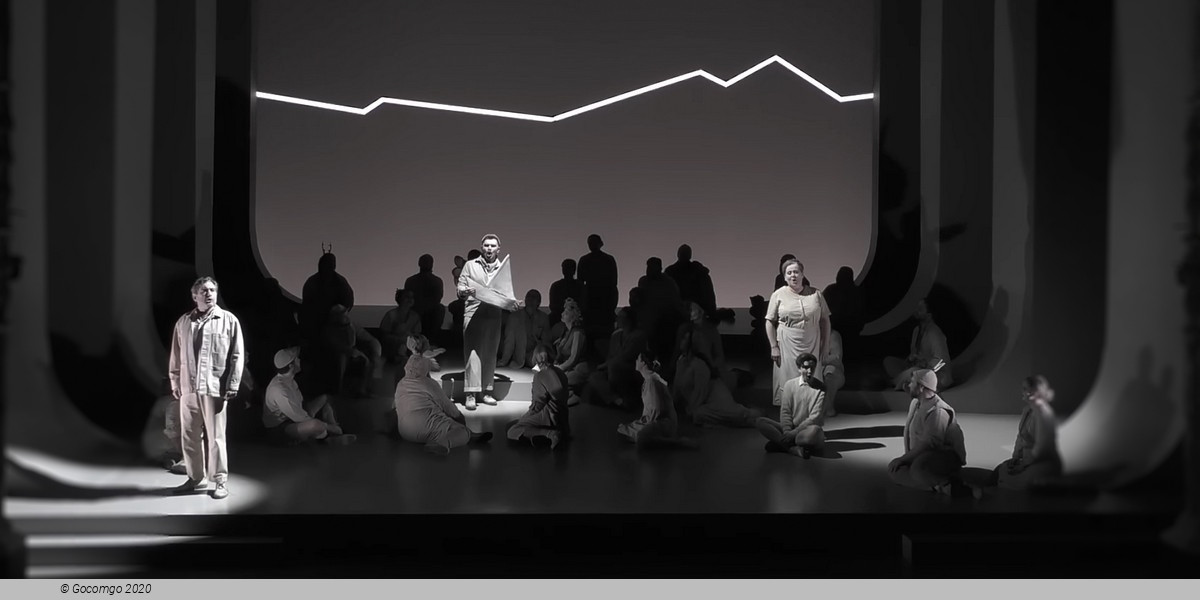
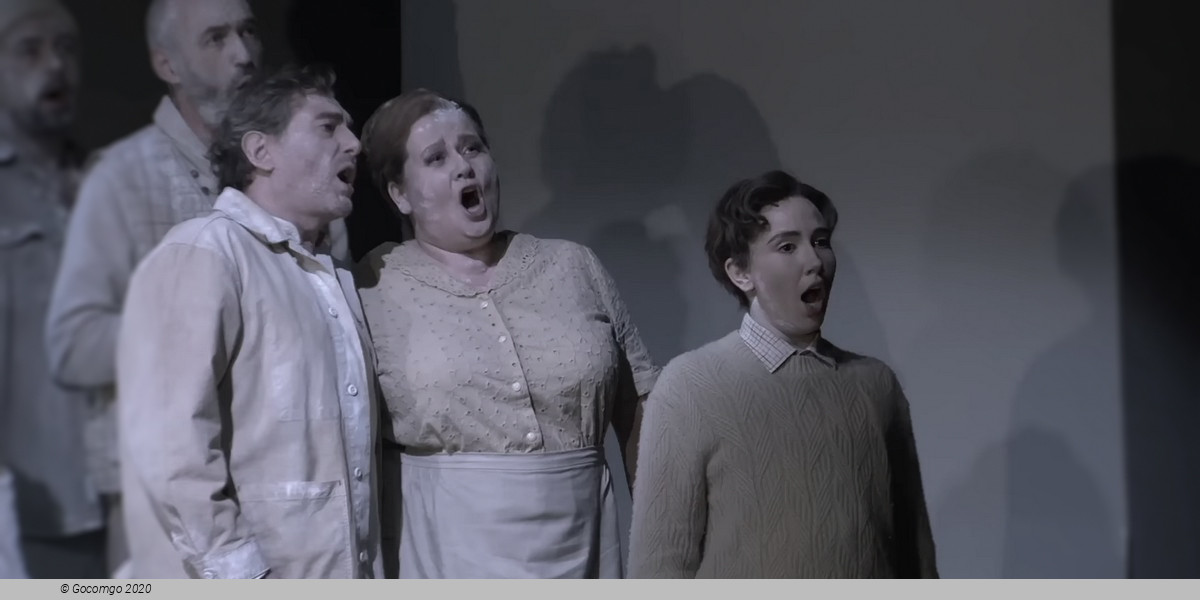
It is the day of the Shepherd Festival, in May, near Lake Lucerne. The action opens on an idyllic scene, with the local peasants busily preparing chalets for three newly wedded couples, singing as they work (Quel jour serein le ciel présage – "What a serene day the sky foretells"). The fisherman, Ruodi, sings a gentle love song from his boat (to orchestral accompaniment from the harps and flutes). Tell stands apart from the general merriment, however: he is consumed with ennui at Switzerland's continued oppression (Il chante, et l'Helvétie pleure sa liberté – "He sings, and Helvetia mourns her liberty"). His wife and son add their own interpretation of Ruodi's song, presaging the coming nautical dramas.
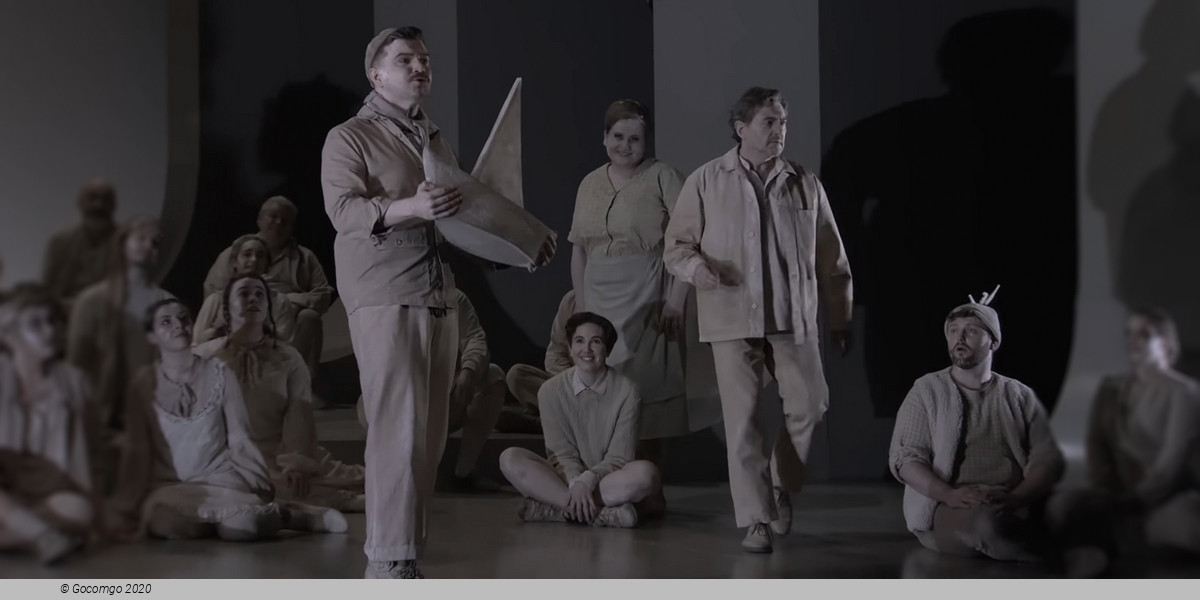
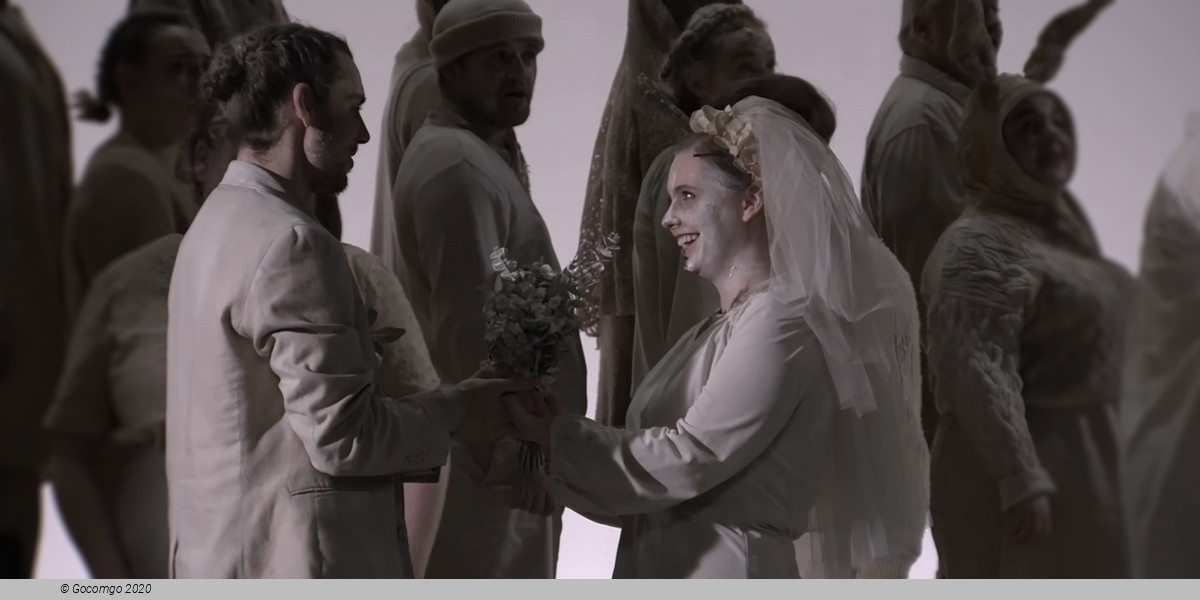
The activities are interrupted by the ranz des vaches resounding from the hills (often performed by off-stage horns, and echoing in its theme the ranz de vaches in the opera's overture). The horns also signal the arrival of Melchthal, a respected elder of the canton. He is persuaded by Hedwige to bless the couples at the celebration. However, his son Arnold, though of marriageable age, is not participating and is evidently uncomfortable. The entire on-stage cast sings in celebration (Célebrons tous en ce beau jour, le travail, l'hymen et l'amour – "Let all celebrate, on this glorious day, work, marriage and love"). Tell invites Melchthal into his chalet; before they move off, Melchthal chides his son for his failure to marry.
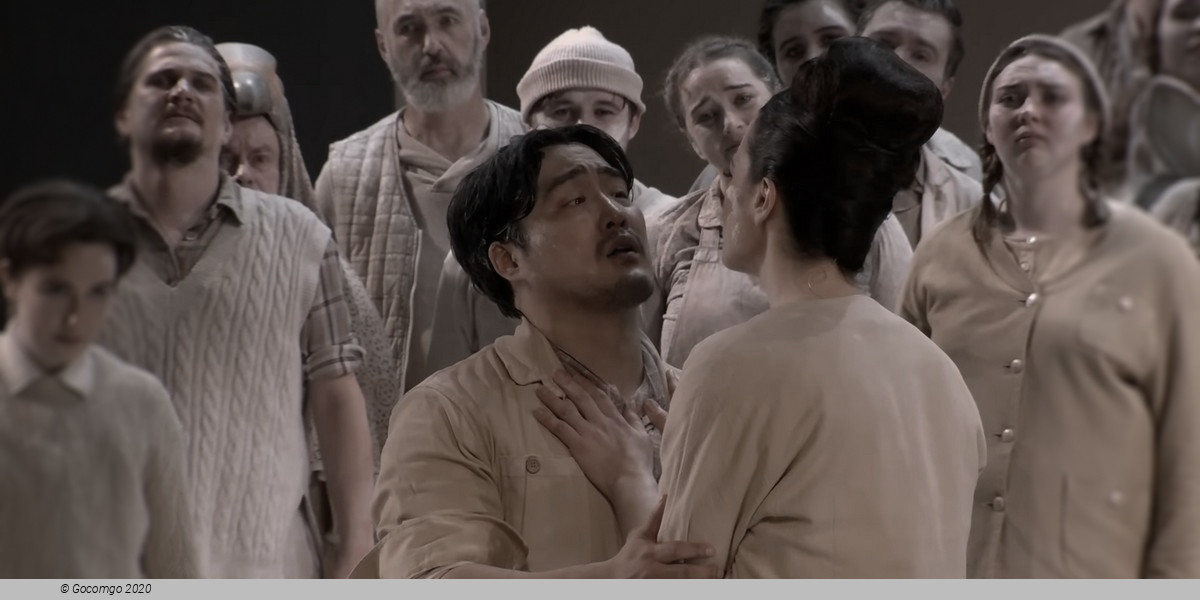
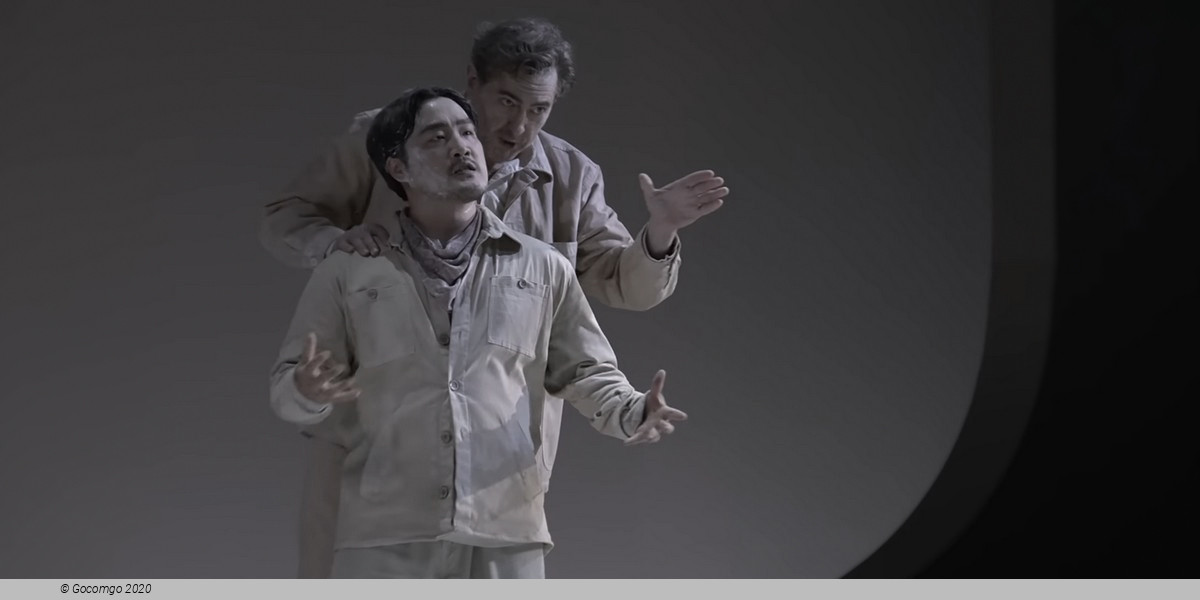
His father's rebuke provokes an outpouring of despair from Arnold: in his recitative we learn of his previous service in the forces of the Austrian rulers, his rescue of Mathilde from an avalanche, and the conflict between his love for her and his shame at serving the "perfidious power". Horn fanfares herald the approach of Gesler, the Austrian governor, whom the Swiss detest, and his entourage. Arnold moves off to greet their arrival, as Mathilde will accompany them, but is stopped by Tell. Inquiring as to where Arnold is going, Tell persuades him to consider joining the planned rebellion against the governor. The expressive duet in which this takes place again shows the tension Arnold feels between his love for Mathilde and the "fatherland" (Ah! Mathilde, idole de mon âme!...Ô ma patrie, mon cœur te sacrifie... – "Ah, Mathilde, idol of my soul...O my fatherland, my heart sacrifices to you..."). By the end of the exchange, Arnold is prepared to confront Gesler the moment he arrives; Tell persuades him to at least let the festival pass in peace, but knows he has gained a convert to the cause of freedom.
The villagers then reassemble, and Melchthal blesses the couples. The blessing is followed by singing, dancing and an archery contest that Tell's young son Jemmy wins with his first shot – a result of his "paternal heritage". It is Jemmy who notices the hurried approach of the pale, trembling and wounded shepherd, Leuthold, who killed one of Gesler's soldiers to defend his daughter and is fleeing the governor's forces. He seeks to escape to the opposite shore, but the cowardly Ruodi refuses to take him in his boat, fearing that the current and the rocks make approaching the opposite bank impossible. Tell returns from searching for the departed Arnold just in time: even as the soldiers approach, calling for Leuthold's blood, Tell takes Leuthold into the boat and out onto the water. Gesler's guards arrive, led by Rodolphe, who is further incensed by the villagers' prayers and their evident joy at the escape. Melchthal urges the villagers not to tell Rodolphe who it was who aided Leuthold, and is taken prisoner by the guards. As Rodolphe and the soldiers promise retribution (Que du ravage, que du pillage sur ce rivage pèse l'horreur!), Tell's family and friends take comfort in Tell's skills as an archer, which will surely save them.
Act 2
On the heights of Rütli, overlooking the Lake and the Cantons
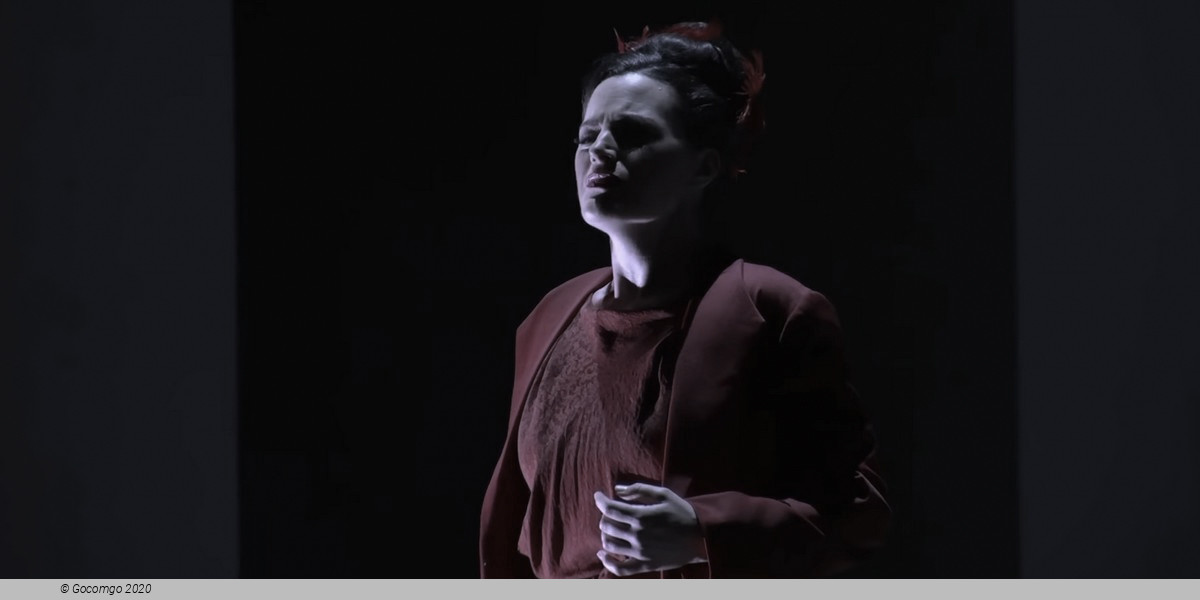
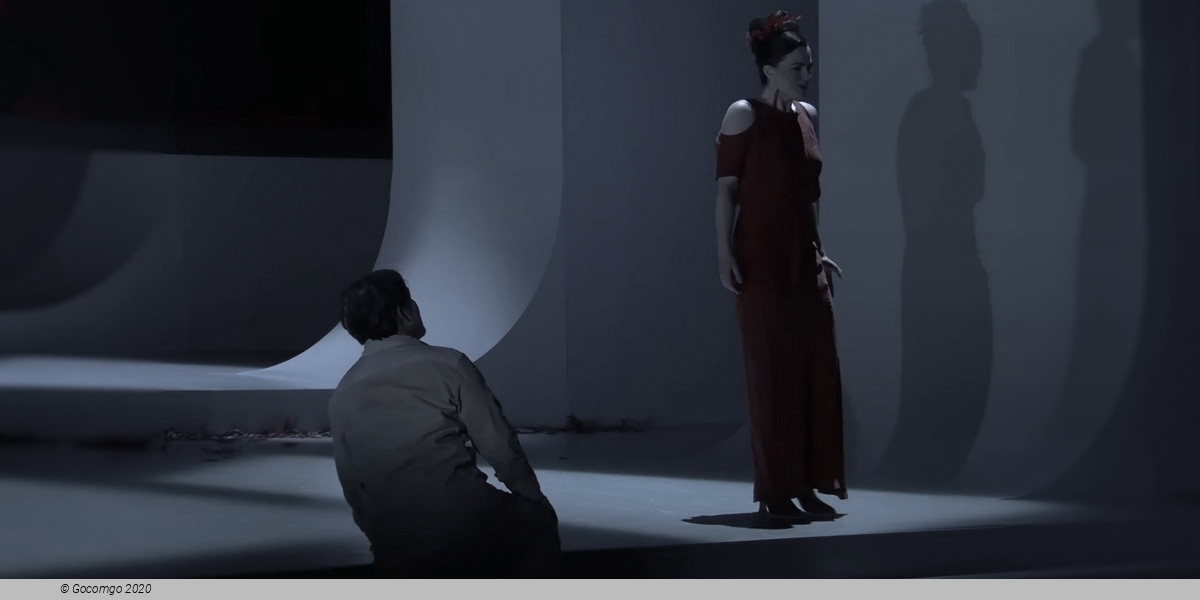
A hunting party of ladies and gentlemen, accompanied by soldiers, hears the sound of the shepherds returning from the hills as night approaches. Hearing the Governor's horns, they too take their leave. Mathilde, however, lingers, believing she has glimpsed Arnold in the vicinity. She is, like Arnold, anguished by the love she feels for her rescuer, and contemplates it as she sings (Sombre forêt, désert triste et sauvage – "Somber forest, sad and savage wilderness"). Arnold appears, and each confesses to the other their desire for this meeting. In their duet (Oui, vous l'arrachez à mon âme – "Yes, you wring from my soul"), they recognise their mutual passion, but also the obstacles they face. Urging him to "return to the fields of glory", Mathilde assures him of the eventual acceptability of his suit, and leaves at the approach of Tell and Walter. They question Arnold as to why he loves Mathilde, a member of the oppressing Austrians. Arnold, offended by their spying, declares his intention to continue fighting for the Austrians, and thus gain glory, rather than liberty. However, when Walter tells him that Gesler has executed his father Melchthal, Arnold vows revenge (Qu'entends-je? ô crime! – "What do I hear? O crime!").
As the three men affirm their dedication – "to independence or death" – they hear the sound of someone else approaching. It is the men of the canton of Unterwalden coming to join the fight, and describing their journey in a rather gentle refrain (Nous avons su braver). In quick succession, they are joined by the men of Schwyz (En ces temps de malheurs) and Uri (Guillaume, tu le vois). The gathering is complete, and the tone and tempo of the finale rises as the men of the three cantons affirm their willingness to fight or die for the freedom of Switzerland (Jurons, jurons par nos dangers – "Let us swear, let us swear by our dangers"). Plans are made to arm the cantons and to rise up when "the beacons of vengeance burn".
Act 3
Scene 1: A ruined/deserted chapel in the Altdorf palace grounds
Arnold has come to tell Mathilde that, instead of leaving for battle, he is staying to avenge his father, and thereby renouncing both glory and Mathilde. When he tells her that it was Gesler who had his father executed, she denounces his crime, and recognises the impossibility of their love (Pour notre amour, plus d'espérance – "All hope for our love has gone"). Hearing preparations for the coming festival in the palace grounds, they bid a fond farewell to each other (Sur la rive étrangère – "Though upon a foreign shore").
Scene 2: The main square at Altdorf
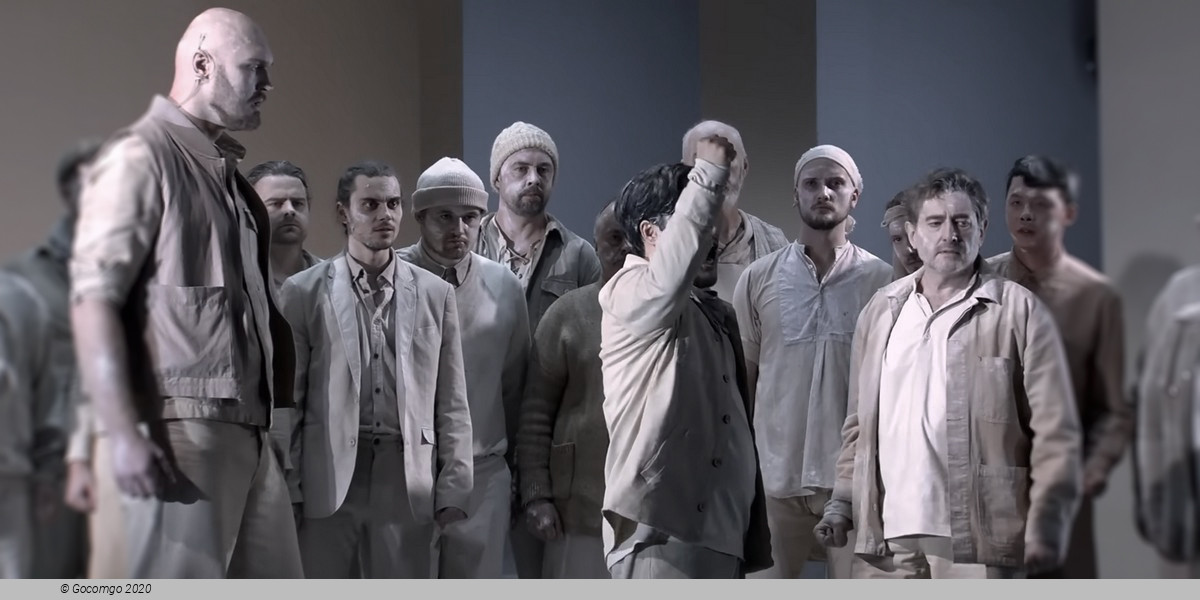
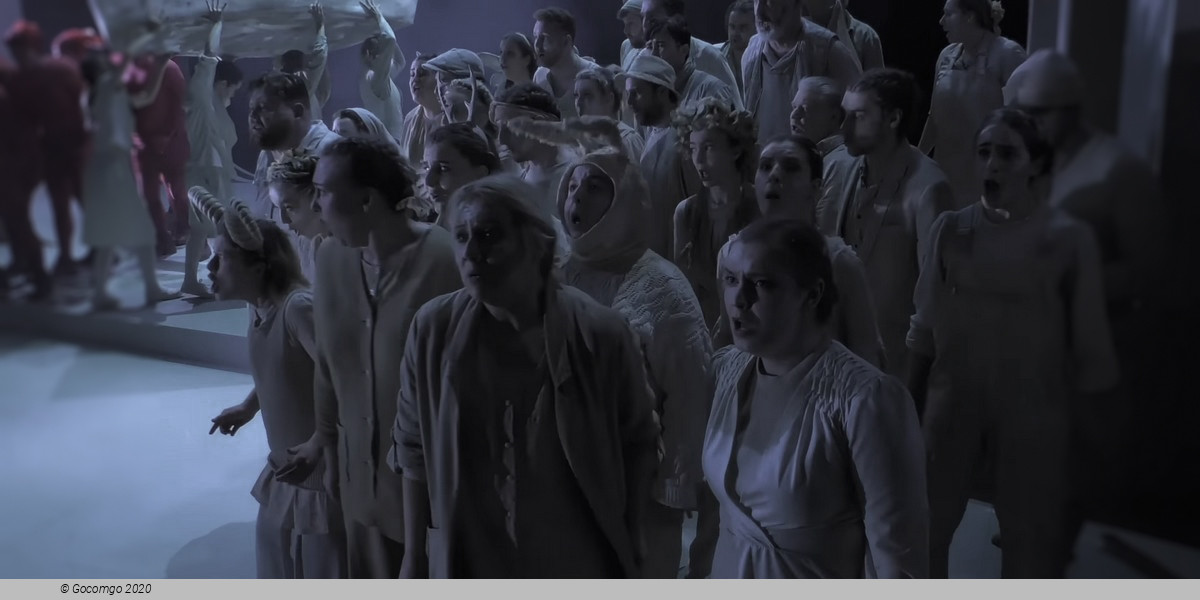
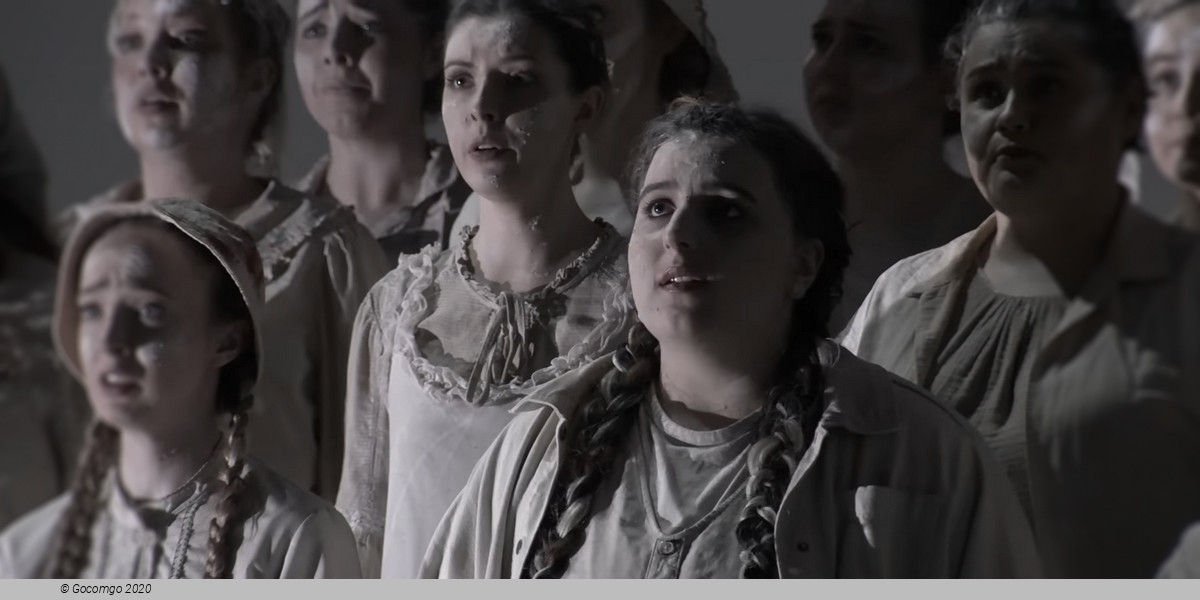
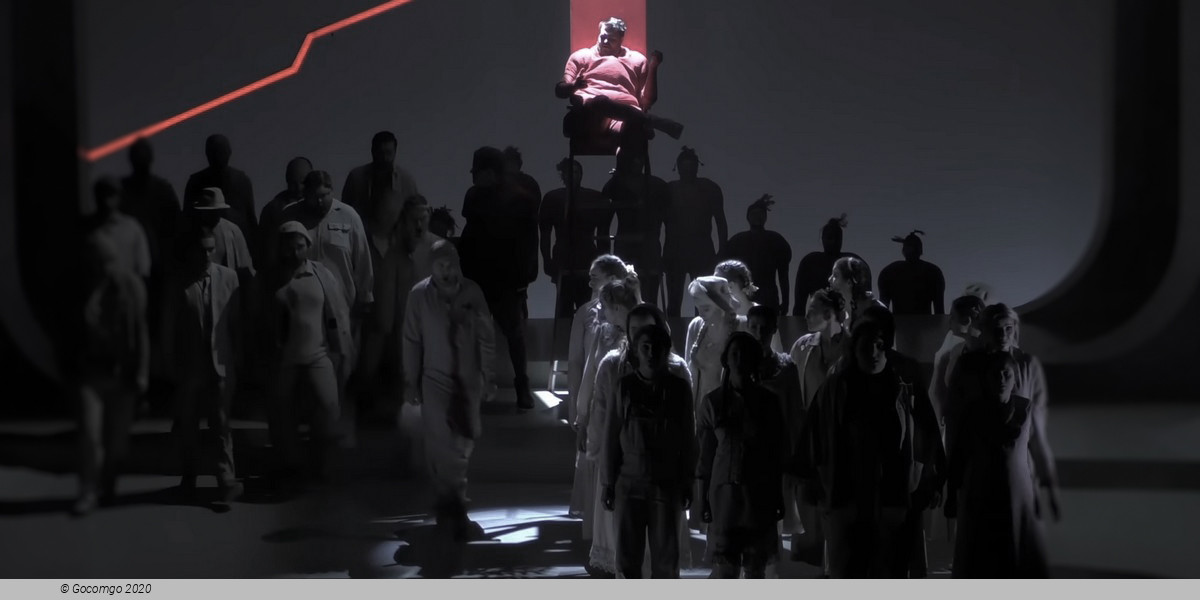
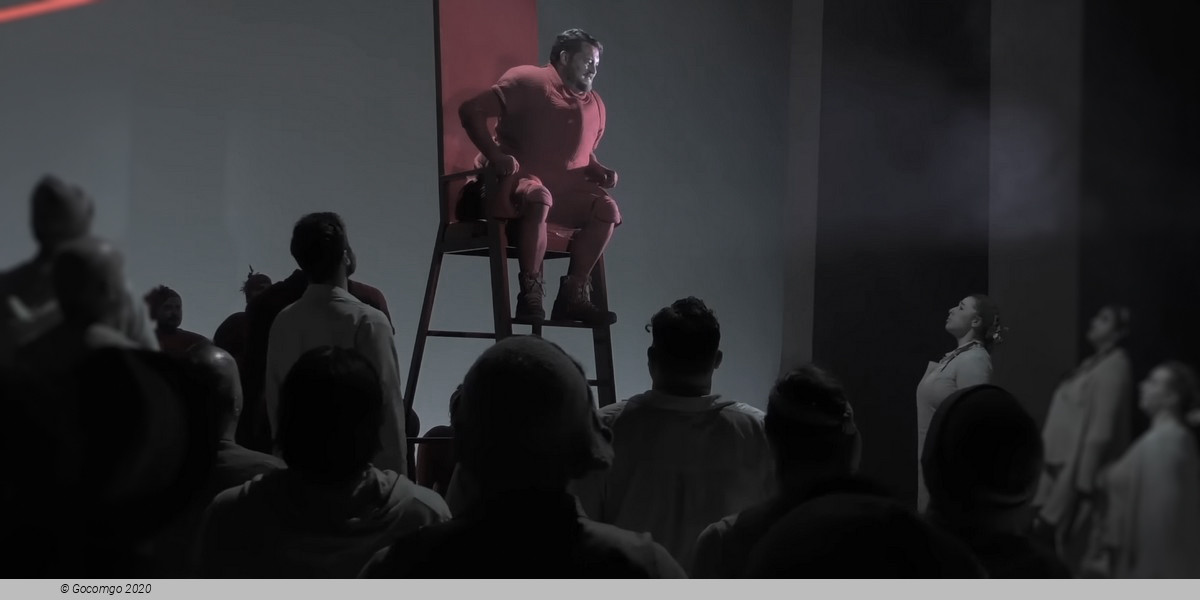
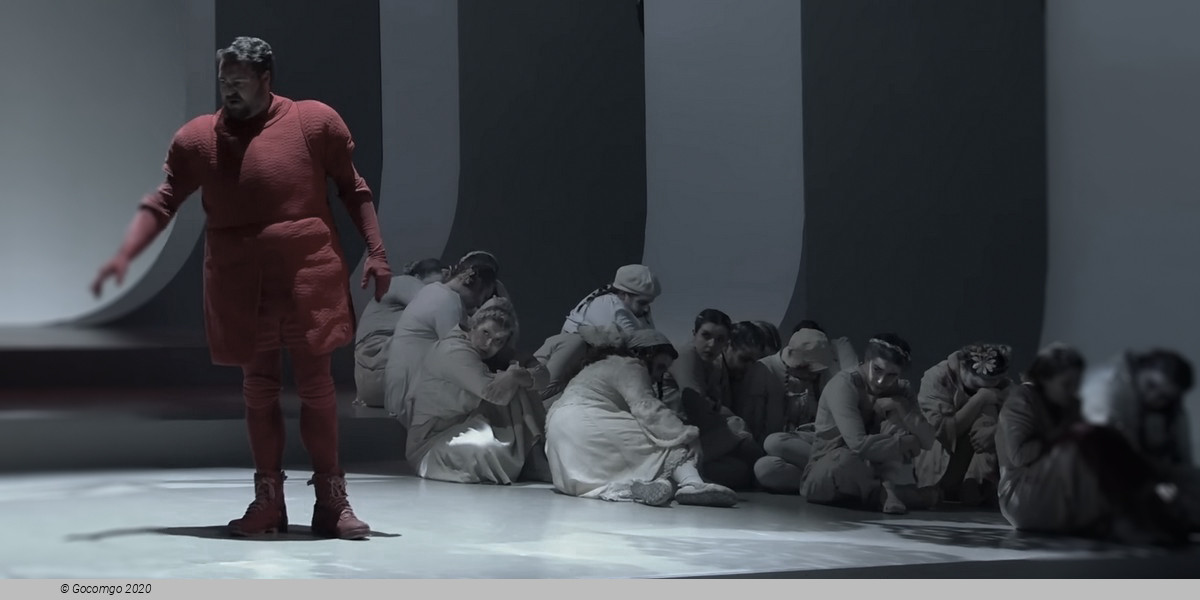
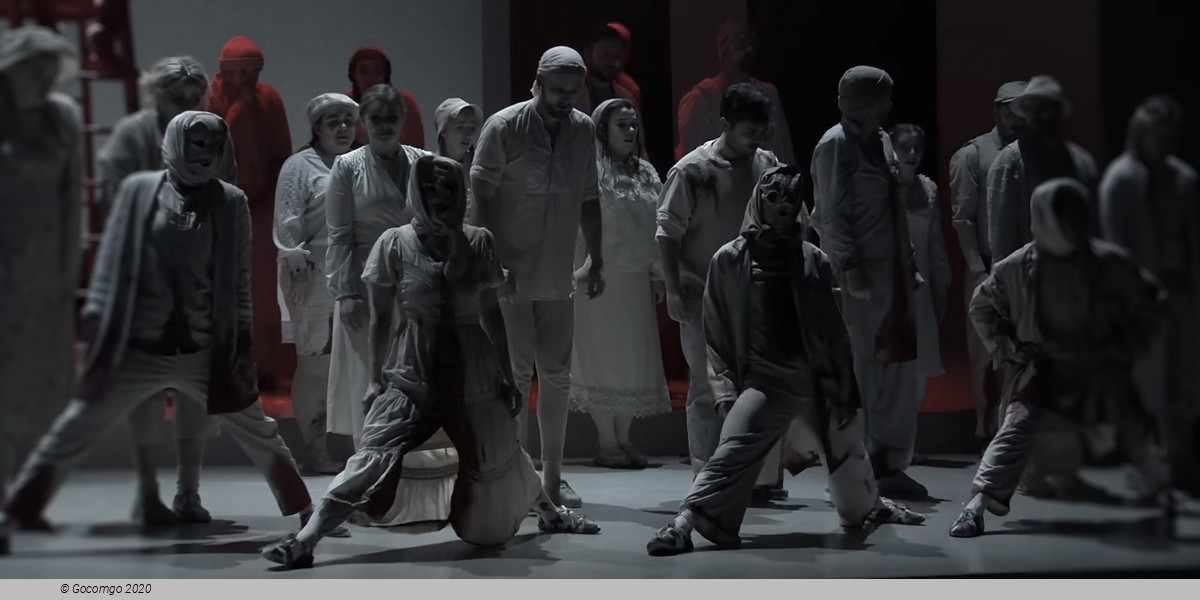
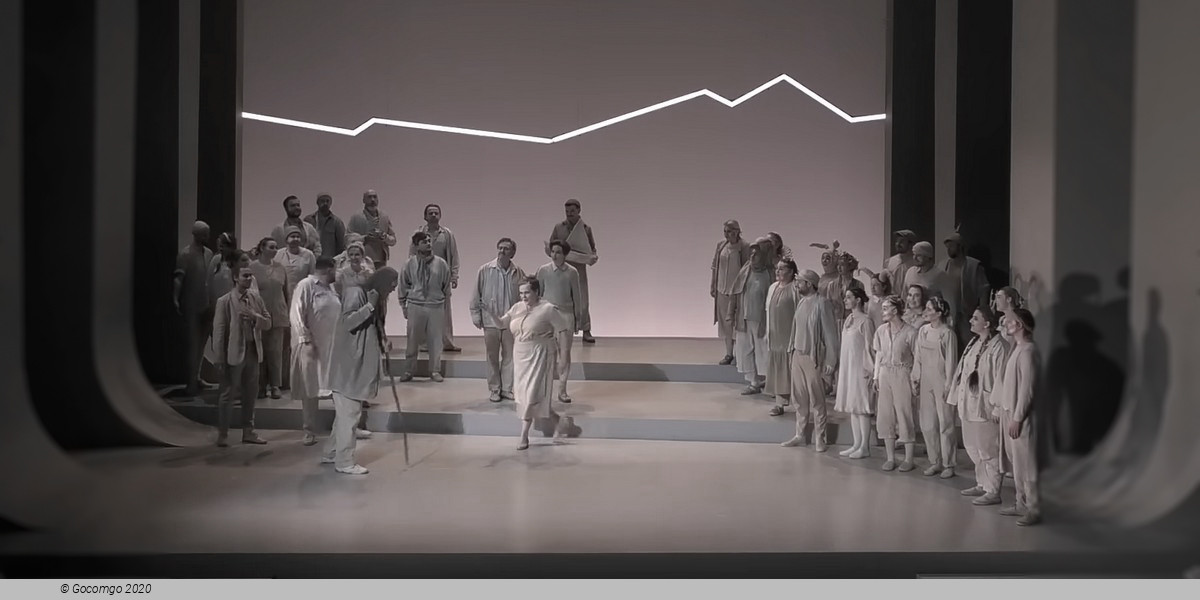
The day is the hundredth anniversary of Austrian rule in Switzerland. Soldiers sing of the glories of Gesler and the Emperor. In commemoration, Gesler has had his hat placed on top of a pole and the Swiss are ordered and then forced to pay homage to the hat. Gesler commands that there should be dancing and singing to mark the century during which the empire has "deigned to sustain [Swiss] weakness", and a variety of dances and choruses follow. Soldiers have noticed Tell and his son in the crowd, refusing to pay homage to the hat, and drag him forward. Rodolphe recognises him as the man who assisted in Leuthold's escape, and Gesler orders his arrest. In a complex choir and quartet, the soldiers express their hesitation at arresting this famed archer (C'est là cet archer redoutable – "It's that redoubtable archer"), Gesler forces them to act, and Tell urges Jemmy to flee, but he prefers to stay with his father.
Gesler notices the affection Tell has for his son, and has Jemmy seized. Inspired, he devises his test: Tell must shoot an arrow through an apple balanced on Jemmy's head – should he refuse, both of them will die. The assembled Swiss are horrified at this cruelty, but Jemmy urges his father to courage, and refuses to be tied up for the challenge. Resigned, Tell retrieves his bow from the soldiers, but takes two arrows from his quiver and hides one of them. He sings an anguished aria to Jemmy, instructing him (Sois immobile – "Stay completely still"), and the two separate. Finally, Tell draws his bow, shoots, and drives the arrow through the apple and into the stake. The people acclaim his victory, and Gesler is enraged. Noticing the second arrow, he demands to know what Tell intended for it. Tell confesses his desire to kill Gesler with the second arrow, and both he and Jemmy are seized for execution.
Mathilde enters and claims Jemmy in the name of the emperor, refusing to let a child die (Vous ne l'obtiendrez pas – "You will not have him"). Gesler announces his intention to take Tell across Lake Lucerne to the fort at Kusnac/Küssnacht, and there to throw him to the reptiles in the lake. Rodolphe expresses concern at attempting a journey on the lake in the storm, but Gesler intends to force Tell, an expert boatman, to pilot the vessel. They leave, amid conflicting cries of "Anathema on Gesler" from the people, and "Long live Gesler" from the soldiers.
Act 4
Scene 1: Old Melchthal's house
Arnold, aware of Tell's arrest, is dispirited, but, set on revenge, draws strength from being in his father's former home and sings a moving lament (Ne m'abandonne point, espoir de la vengeance... Asile héréditaire... – "Do not abandon me, hope of vengeance... Home of my forefathers"). Would-be "confederates" arrive, sharing and reinforcing his hope of vengeance. Revived, Arnold points them to the weapons cache that his father and Tell had prepared. Seeing the men armed, Arnold launches into the hugely demanding (Amis, amis, secondez ma vengeance – "Friends, friends, assist my vengeance"), replete with multiple and sustained top Cs. Resolved, they leave to storm Altdorf and free Tell.
Scene 2: The rocky shore of Lake Lucerne
Hedwige is wandering by the lake, distraught. She tells the other women she intends to beg Gesler for Tell's life. In the distance, she hears Jemmy calling. Her son enters, along with Mathilde, whom Hedwige entreats for assistance. In some versions, Mathilde, Jemmy and Hedwige sing a moving trio (Je rends a votre amour un fils digne de vous – "I return to your love a son worthy of you"). Jemmy tells his mother that Tell is no longer in Altdorf, but on the lake, at which point Hedwige begins precipitously to mourn (Sauve Guillaume! Il meurt victime de son amour pour son pays – "Save William! He dies a victim of his love for his country"). Leuthold arrives, telling the assembled villagers that the boat carrying Tell, Gesler and the soldiers is being driven towards the rocks by a storm that has broken over the lake – Leuthold believes that the chains have been removed from Tell's hands, so that he might pilot the boat to safety.
The boat pulls into view, and Tell jumps ashore before pushing the boat back. He is amazed to see his house burning in the distance. Jemmy tells him that, for want of a beacon, he set fire to their home but, before doing so, he retrieved his father's bow and arrows. Gesler and the soldiers come into view, intent on recapturing Tell, who kills Gesler with a single shot and the cry, "Let Switzerland breathe!" Walter and a group of confederates arrive, having seen the burning house. Tell informs them of Gesler's death, but cautions that Altdorf still stands. Arnold and his band enter, and break the happy news: they have taken Altdorf. Arnold sees Mathilde, who declares herself "disabused of false grandeur" and ready to join the fight for liberty at his side.
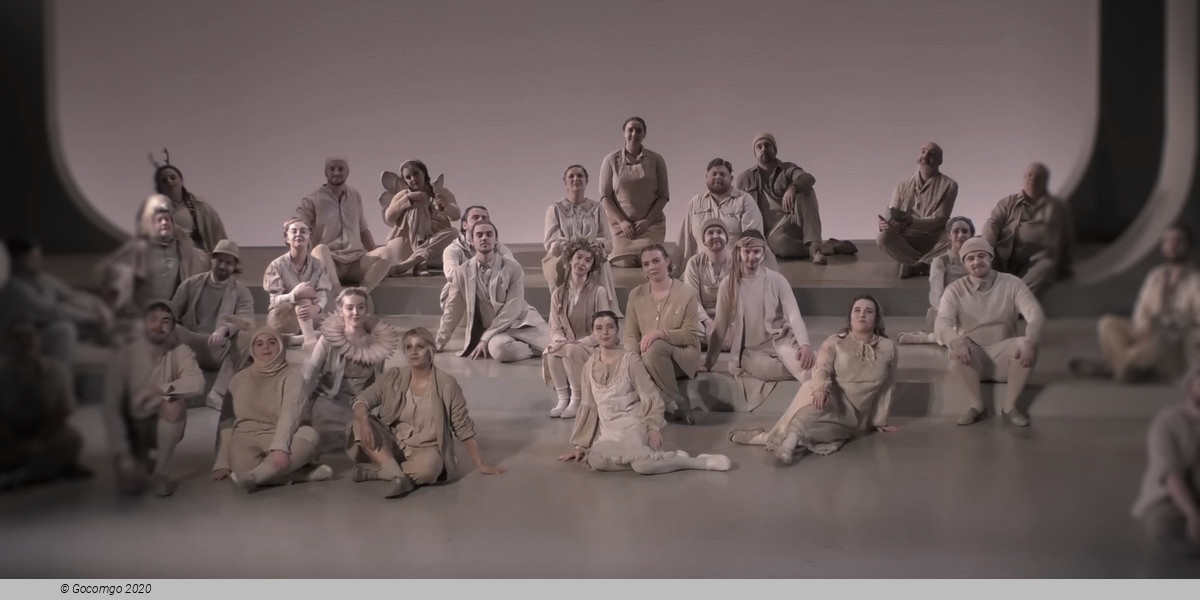
The clouds break, and the sun shines on a pastoral scene of wild beauty. The gathered Swiss fighters and women sing a paean to the magnificence of nature and the return of freedom in a lyrical C major (Tout change et grandit en ces lieux... Liberté, redescends des cieux – "Everything is changing and growing grander in this place... Liberty, descend again from heaven") as the ranz des vaches motif returns once again and finally.




 1 Theatre Square