Shanghai Grand Theatre tickets 26 July 2026 - 2026 Chinese Pride: Ballet Stars Gala | GoComGo.com

2026 Chinese Pride: Ballet Stars Gala

Shanghai Grand Theatre, Lyric Theatre, Shanghai, China
All photos (54)
Select date and time
2 PM
From
US$ 111

E-tickets: Print at home or at the box office of the event if so specified. You will find more information in your booking confirmation email.

You can only select the category, and not the exact seats.
If you order 2 or 3 tickets: your seats will be next to each other.
If you order 4 or more tickets: your seats will be next to each other, or, if this is not possible, we will provide a combination of groups of seats (at least in pairs, for example 2+2 or 2+3).

Important Info
Type: Ballet
City: Shanghai, China
Starts at: 14:00
Duration: 2h

E-tickets: Print at home or at the box office of the event if so specified. You will find more information in your booking confirmation email.

You can only select the category, and not the exact seats.
If you order 2 or 3 tickets: your seats will be next to each other.
If you order 4 or more tickets: your seats will be next to each other, or, if this is not possible, we will provide a combination of groups of seats (at least in pairs, for example 2+2 or 2+3).

Cast
Performers
Ballet company: American Ballet Theatre
Ballet company: Bavarian State Ballet
Ballet company: Béjart Ballet Lausanne
Ballet company: Hong Kong Ballet
Ballet company: New York City Ballet
Ballet company: Birmingham Royal Ballet
Ballet company: Cincinnati Ballet Company
Ballet company: Dutch National Ballet
Ballet company: Philadelphia Ballet
Creators
Composer: Pyotr Tchaikovsky
Composer: Adolphe Adam
Composer: Arvo Pärt
Composer: Édouard Deldevez
Composer: Erik Satie
Composer: Ludwig Minkus
Composer: Riccardo Drigo
Composer: Zhong Xu
Choreographer: Christopher Wheeldon
Choreographer: George Balanchine
Choreographer: Hans van Manen
Choreographer: Jean Coralli
Choreographer: Jules Perrot
Poet: Heinrich Heine
Librettist: Jules-Henri Vernoy de Saint-Georges
Choreography: Marius Petipa
Librettist: Paul Foucher
Choreography: Peter Martin
Choreography: Susan Jaffe
Librettist: Théophile Gautier
Choreography: Wang Peixian
Overview

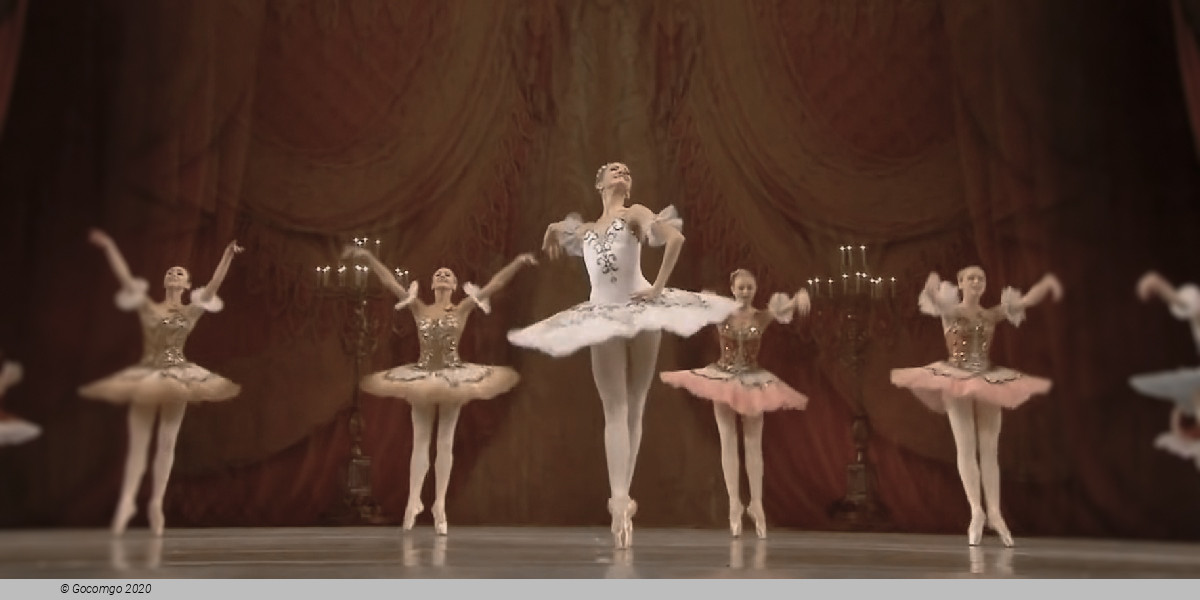
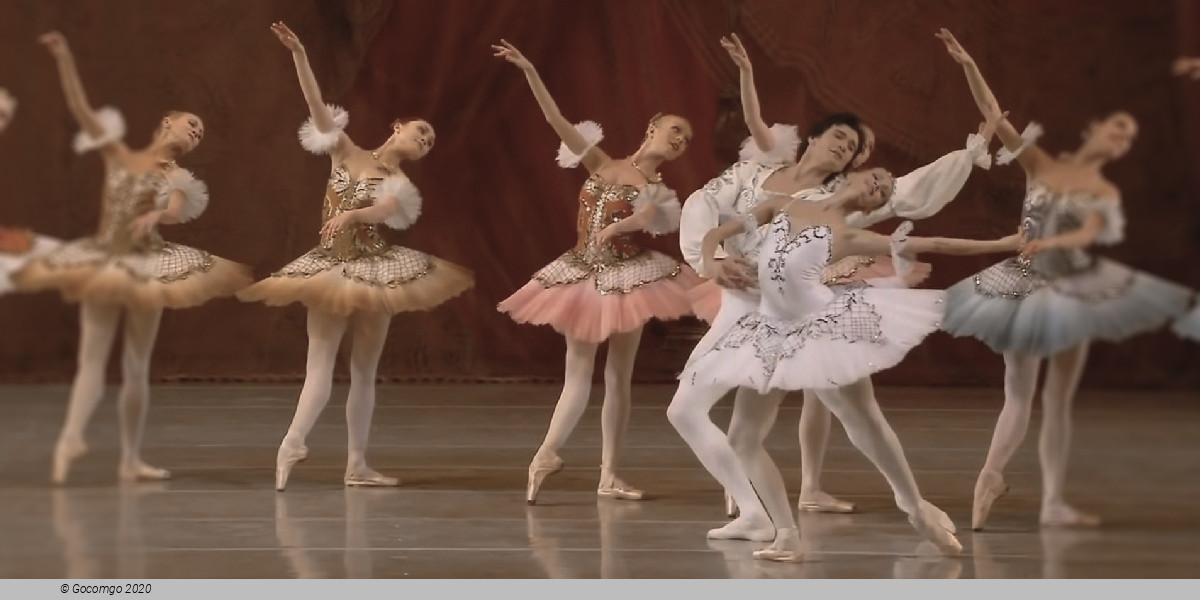
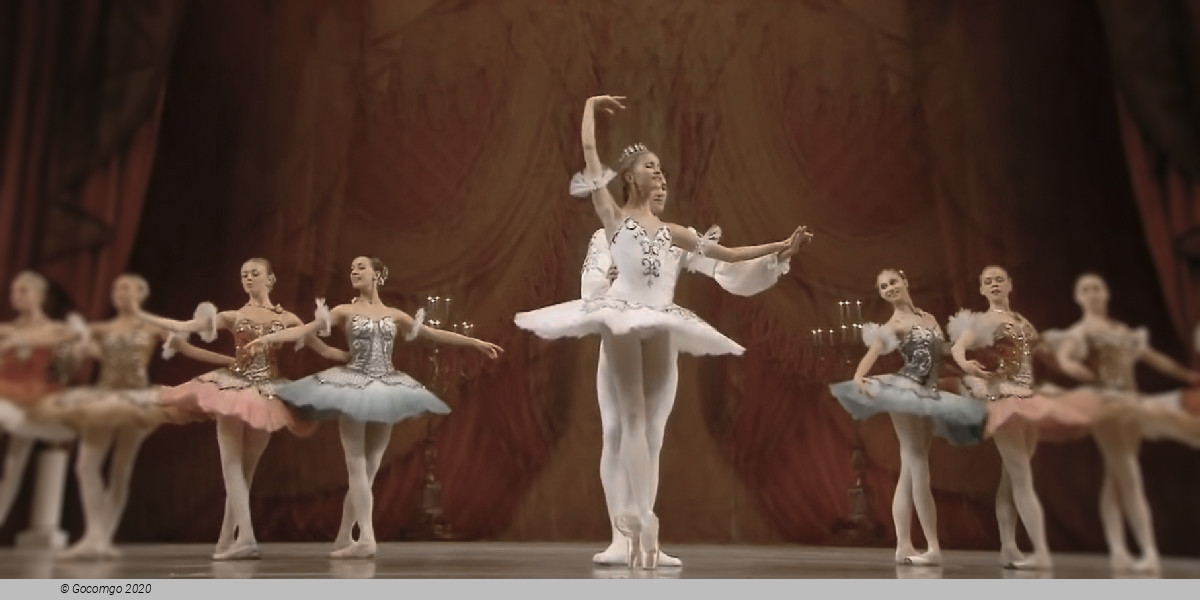
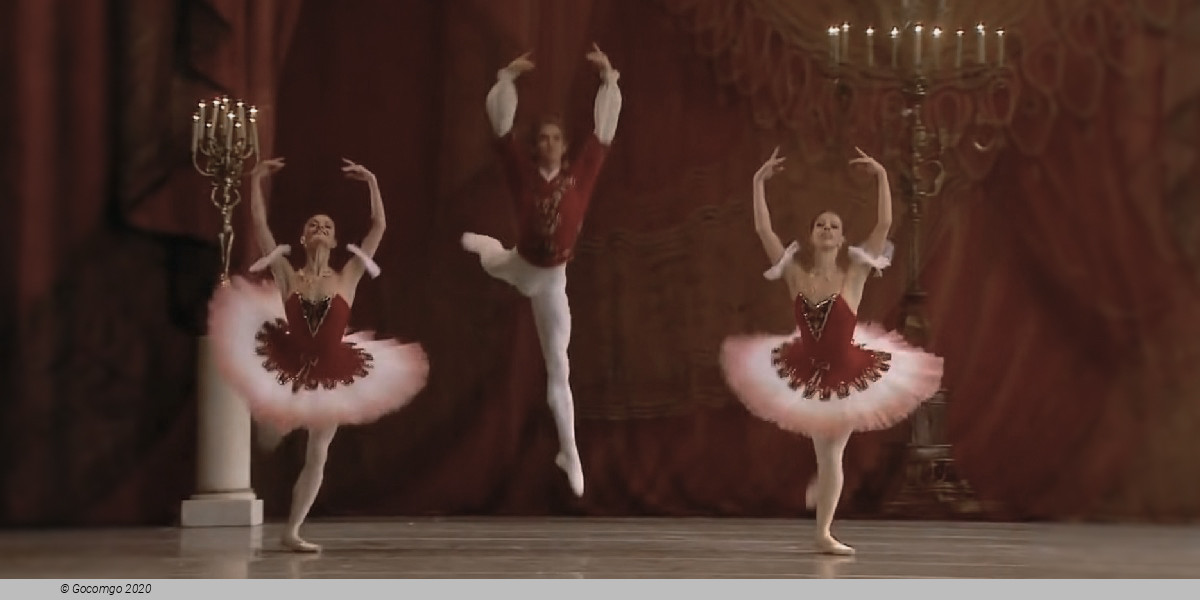
Chinese Pride: Ballet Stars Gala is a prestigious international ballet gala celebrating the remarkable achievements of Chinese dancers on the world's leading stages. Produced by renowned ballet artist and producer Ao Dingwen, the performance brings together an exceptional cast of principal dancers and soloists from internationally acclaimed companies, including New York City Ballet, American Ballet Theatre, Béjart Ballet Lausanne, Bavarian State Ballet, Birmingham Royal Ballet, Hong Kong Ballet, and other distinguished ensembles. The gala showcases the extraordinary artistry, technical brilliance, and global influence of a new generation of Chinese ballet stars.

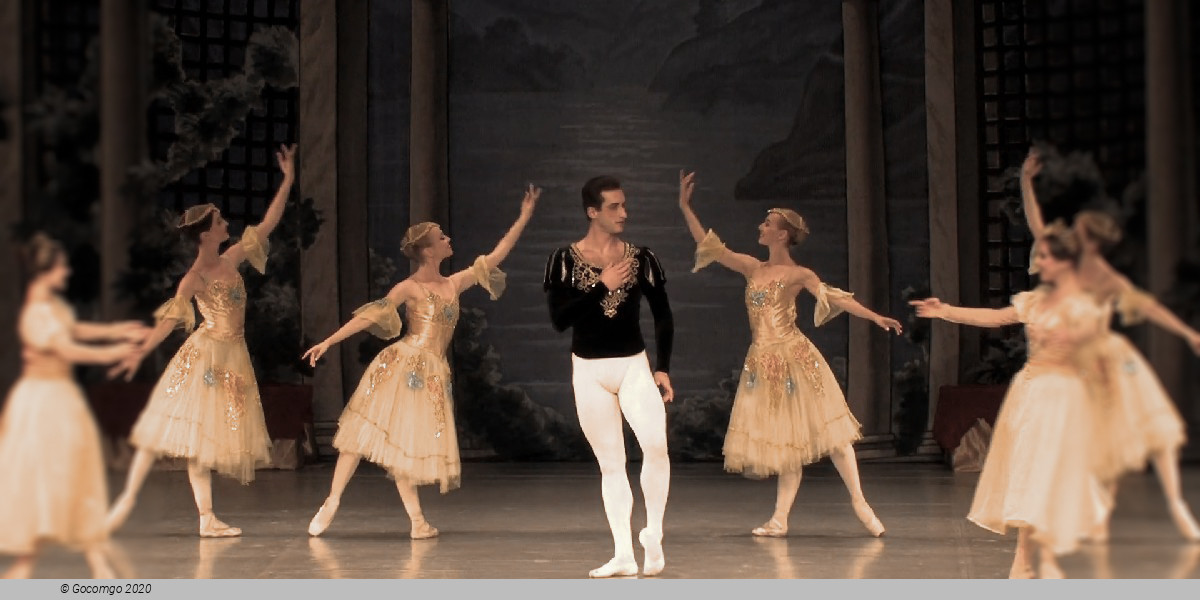
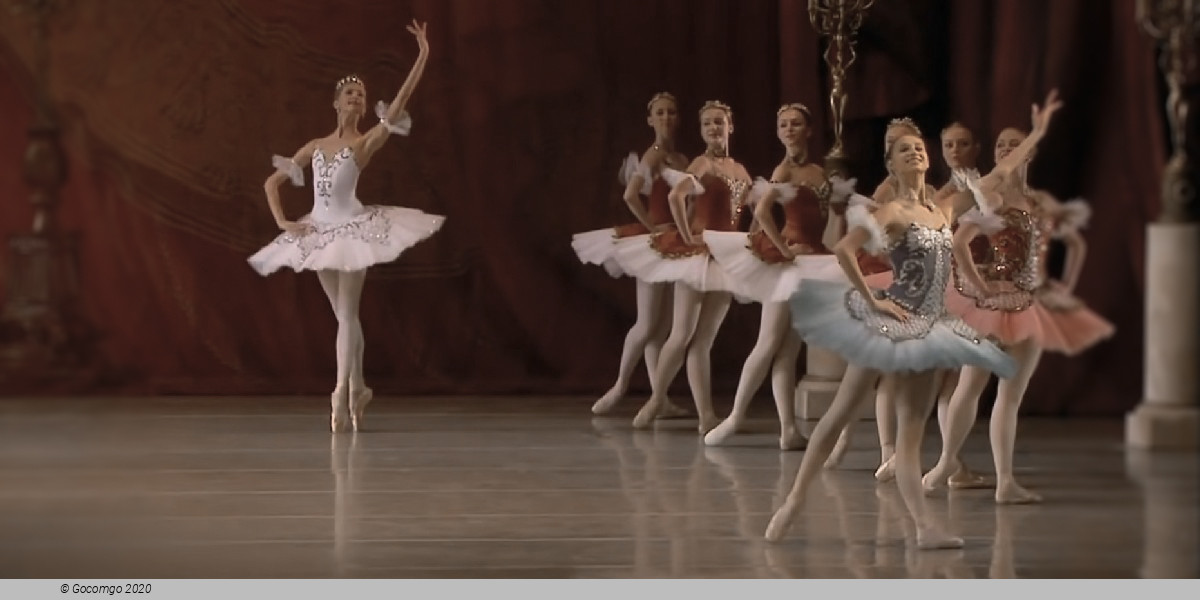
The carefully curated program features an inspiring blend of classical masterpieces and contemporary choreography, offering audiences an opportunity to experience the full spectrum of ballet. Highlights include celebrated pas de deux and excerpts from Swan Lake, Don Quixote, Paquita, Giselle, Jewels, and other iconic works of the classical repertoire, alongside acclaimed contemporary creations by some of today's most influential choreographers. Each performance demonstrates exceptional virtuosity, expressive artistry, and the unique individuality of the featured dancers.

More than a gala performance, Chinese Pride is a celebration of cultural exchange and artistic excellence. By bringing together internationally celebrated Chinese ballet artists who have built distinguished careers around the world, the production highlights their contribution to the evolution of ballet while strengthening the connection between Chinese audiences and the global dance community. The evening presents a rare opportunity to witness world-class performers sharing one stage in a program that bridges classical tradition and contemporary innovation.

Featuring breathtaking technique, elegant artistry, and an outstanding international cast, Chinese Pride: Ballet Stars Gala offers an unforgettable celebration of ballet at its highest level, honoring the talent, dedication, and worldwide achievements of Chinese dancers who continue to shape the future of this timeless art form.

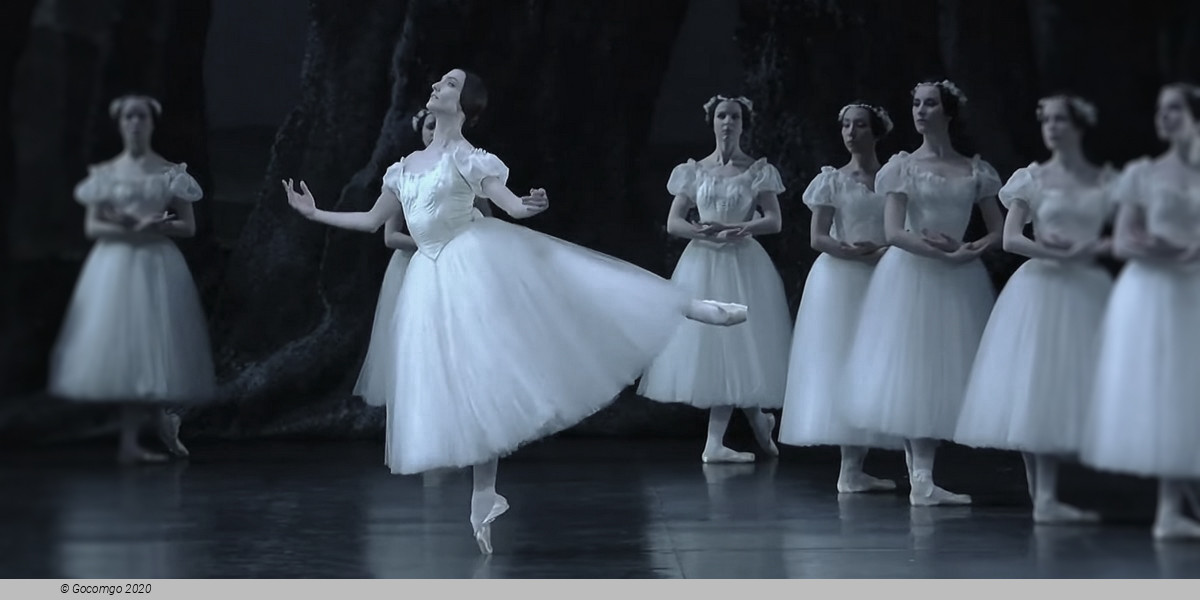
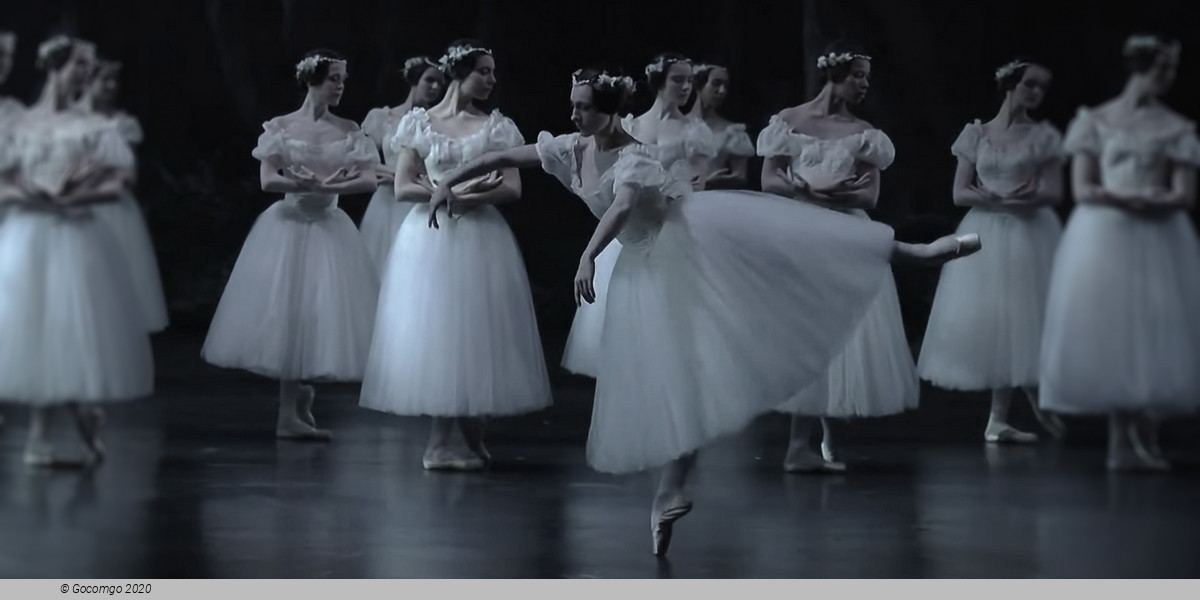
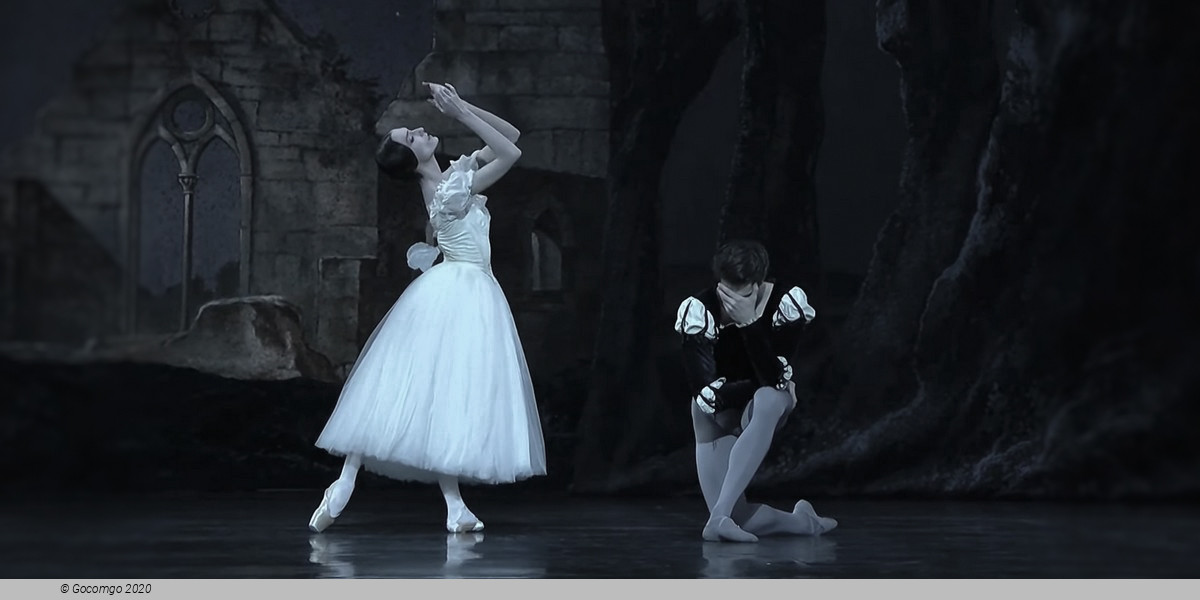
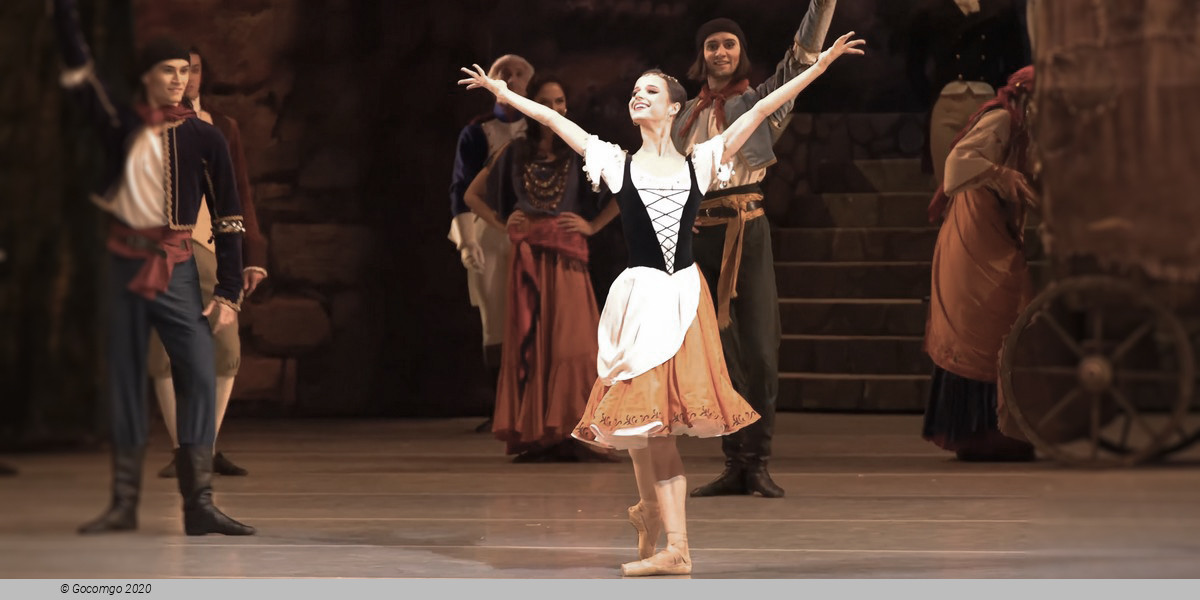
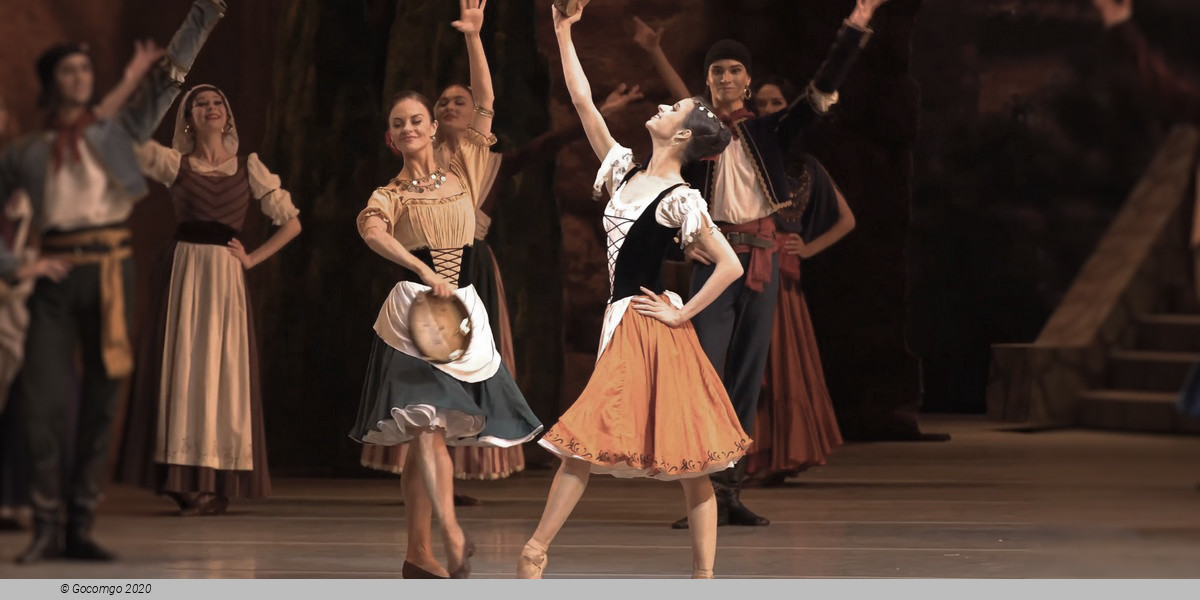
The prolific opera and ballet composer Adolphe Adam composed the music. Jean Coralli and Jules Perrot created the original choreography. The role of Giselle was intended for Carlotta Grisi as her debut piece for the Paris public, and she was the only ballerina to dance it at the Paris Opera for many years. The traditional choreography that has been passed down to the present day derives primarily from the revivals staged by Marius Petipa during the late 19th and early 20th centuries for the Imperial Ballet in St. Petersburg. One of the world's most-often performed classical ballets, it is also one of its most challenging to dance.

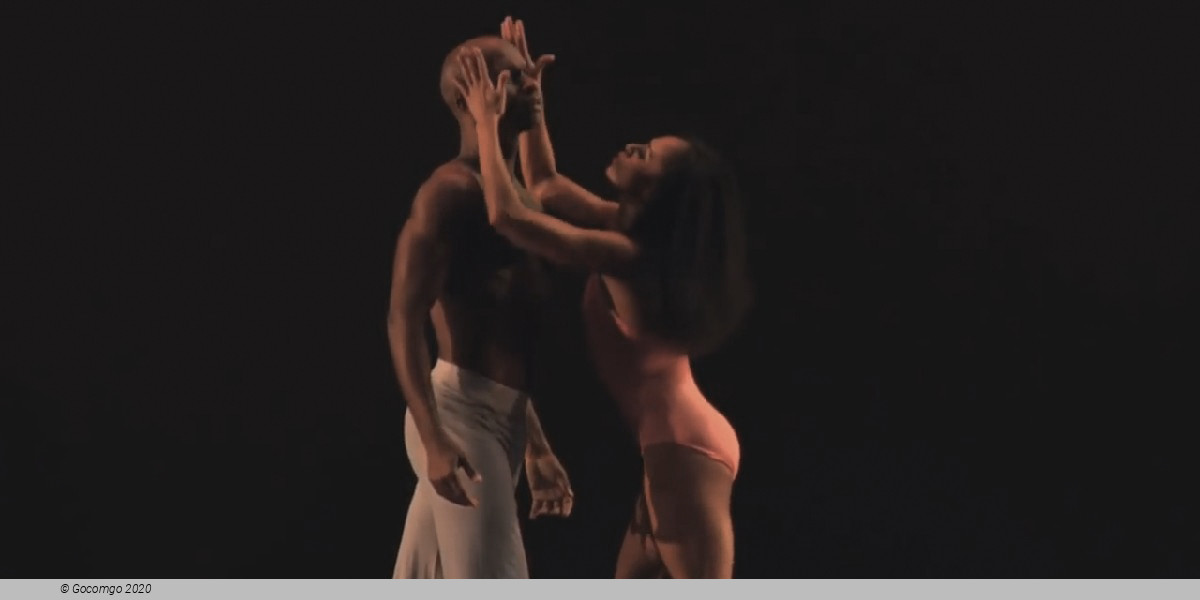
These Three Gnossiennes were composed around 1890 and first published in 1893. A revision prior to publication in 1893 is not unlikely; the 2nd Gnossienne may even have been composed in that year (it has "April 1893" as date on the manuscript). The piano solo versions of the first three Gnossiennes are without time signatures or bar lines, which is known as free time.

These Gnossiennes were first published in Le Figaro musical No. 24 of September 1893 (Gnossiennes Nos. 1 and 3, the last one of these then still "No. 2") and in Le Cœur No. 6–7 of September–October 1893 (Gnossienne No. 2 printed as facsimile, then numbered "No. 6").

The first grouped publication, numbered as known henceforth, followed in 1913. By this time Satie had indicated 1890 as composition date for all three. The first Gnossienne was dedicated to Alexis Roland-Manuel in the 1913 reprint. The 1893 facsimile print of the 2nd Gnossienne contained a dedication to Antoine de La Rochefoucauld, not repeated in the 1913 print. This de La Rochefoucauld had been a co-founder of Joséphin Péladan's Ordre de la Rose-Croix Catholique et Esthetique du Temple et du Graal in 1891. By the second publication of the first set of three Gnossiennes, Satie had broken already for a long time with all Rosicrucian type of endeavours.

Also with respect to the tempo these Gnossiennes follow the Gymnopédies line: slow tempos, respectively Lent (French for Lento/slow), avec étonnement ("with astonishment"), and again Lent.

A sketch containing only two incomplete bars, dated around 1890, shows Satie beginning to orchestrate the 3rd Gnossienne.

The first and third Gnossiennes share a similar chordal structures, rhythm and share reference to each other's thematic material.

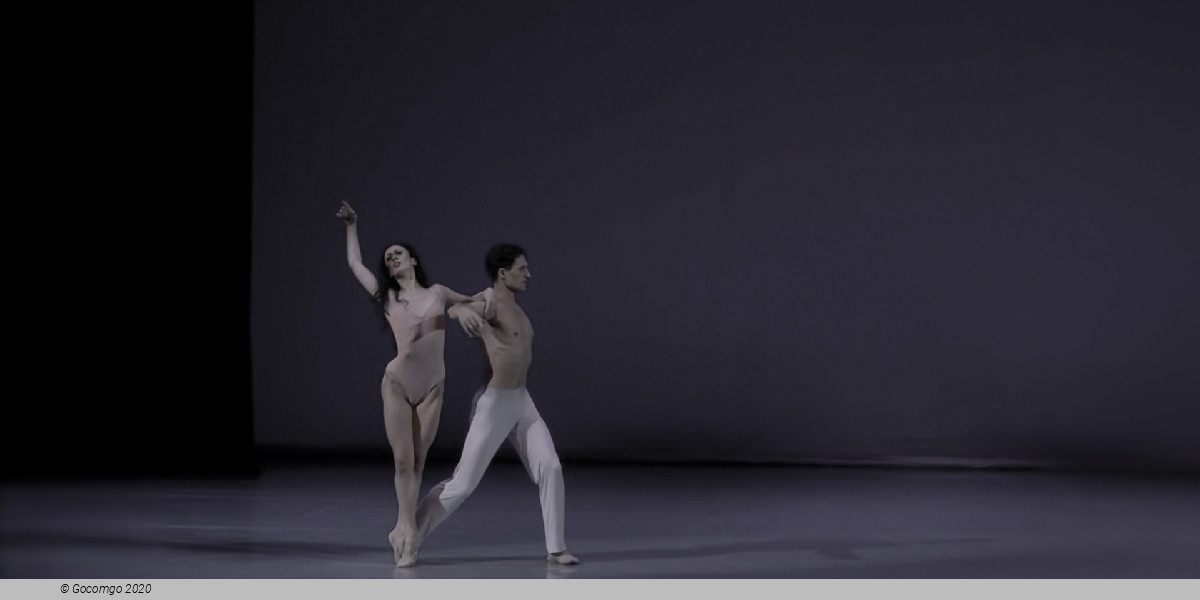
Full of heartfelt emotion, this simple yet stirring pas de deux leaves audiences in silent awe.

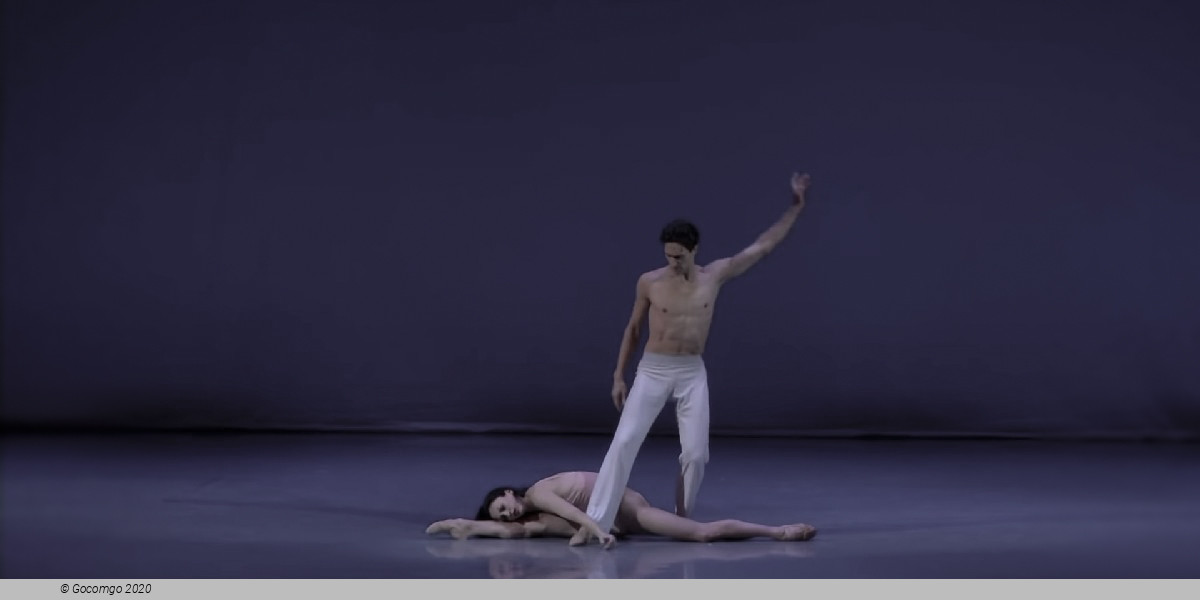
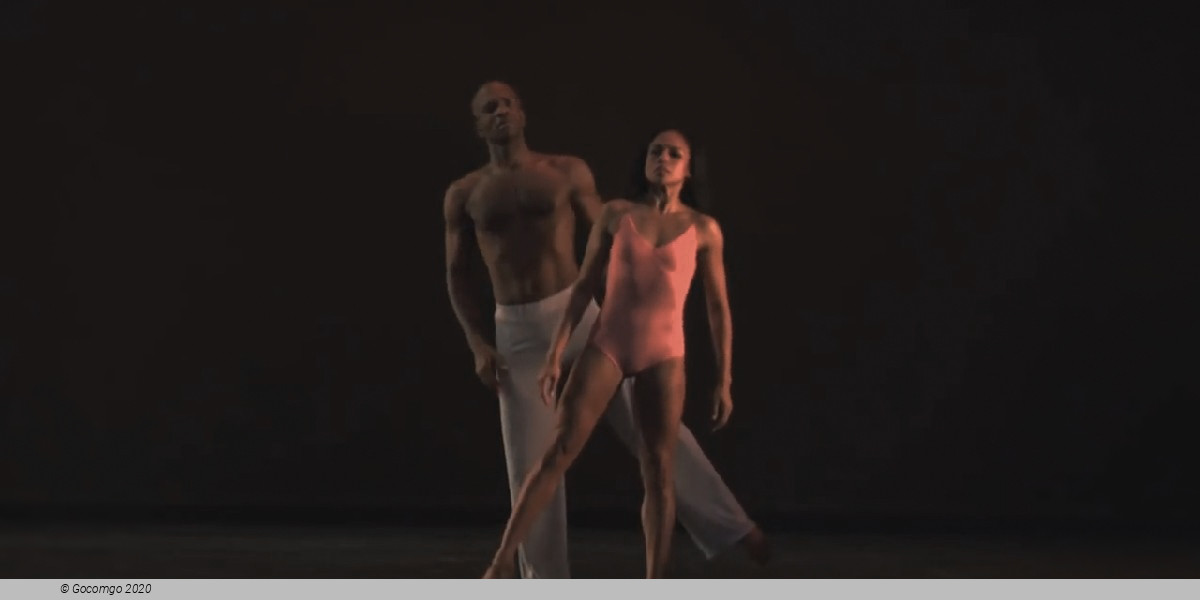
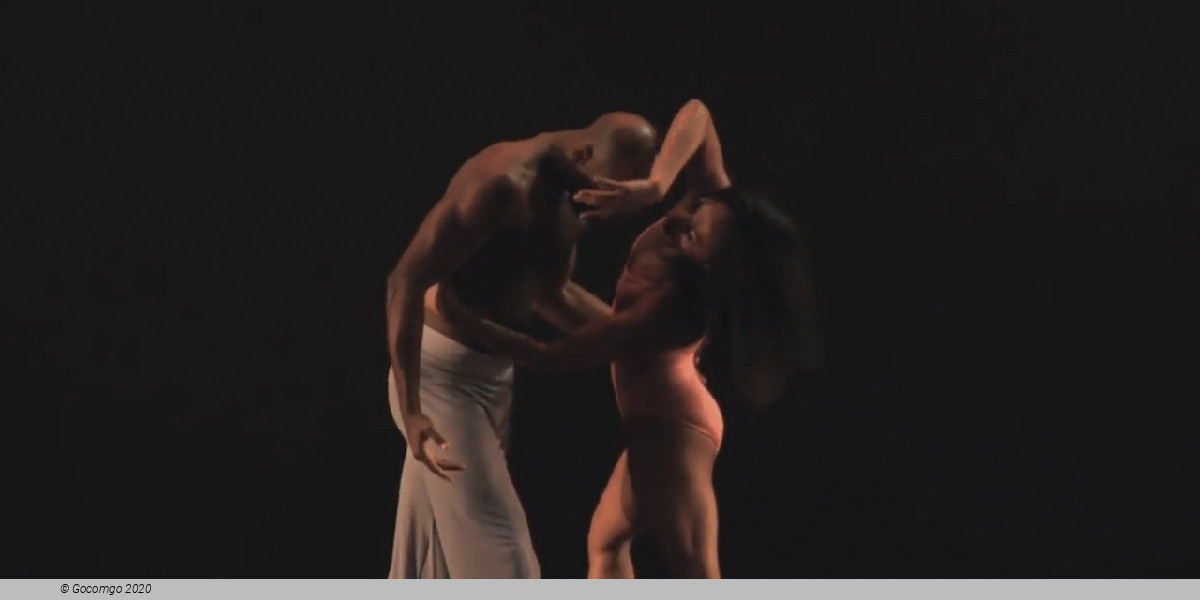
Christopher Wheeldon’s After the Rain premiered in 2005 at NYCB’s annual New Combinations Evening, which honors the anniversary of George Balanchine’s birth with world premiere ballets. A ballet in two parts, the first section is set to Arvo Pärt’s Tabula Rasa, and features three couples. For the second section, only one couple returns, and performs a haunting pas de deux set to Pärt’s Spiegel im Spiegel. Originally performed by Wendy Whelan and Jock Soto, this was the last ballet Wheeldon created for Soto, before Soto retired from dancing in June of 2005.

With its symphonic Tschaikovsky score, Diamonds venerates the regality of Balanchine's native Russia for an elegant and romantic experience.

Balanchine choreographed Diamonds, the third section of his three-part masterpiece Jewels, to Peter Ilyitch Tschaikovsky's Symphony No. 3 in D major, Op. 29. Tschaikovsky composed this work in 1875, just before starting to write Swan Lake. It is the only one of his six symphonies in a major key, and it is the only one to have five movements, with two scherzos setting off the central Andante elegiaco. Balanchine, however, decided to omit the symphony's first movement, deeming it unsuitable for dancing.

History
Premiere of this production: 04 March 1877, Bolshoi Theatre, Moscow

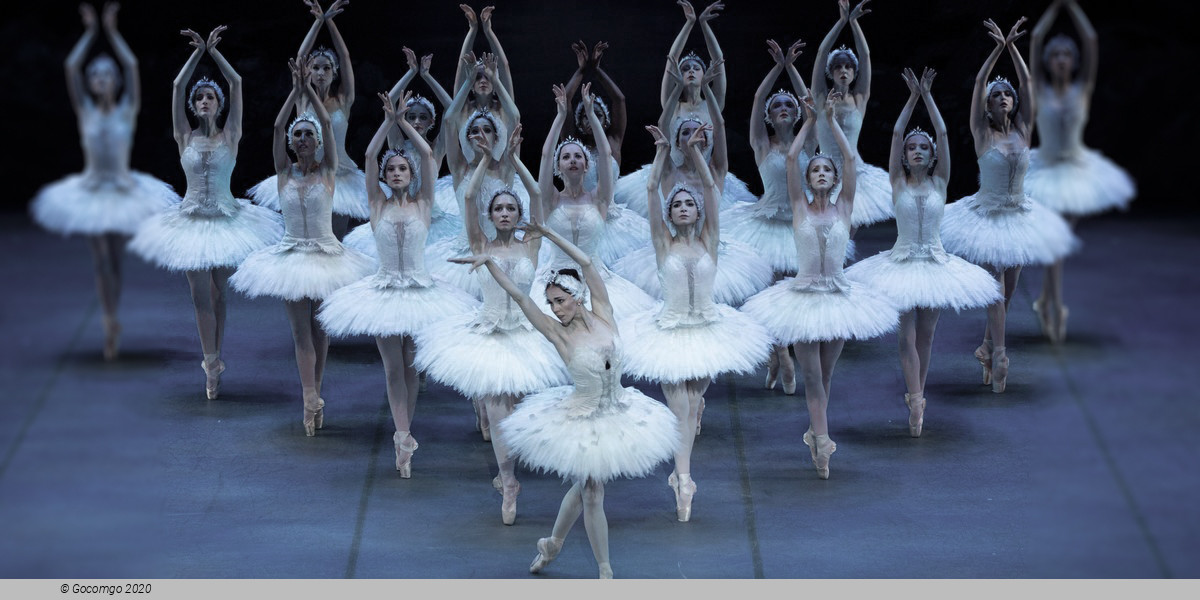
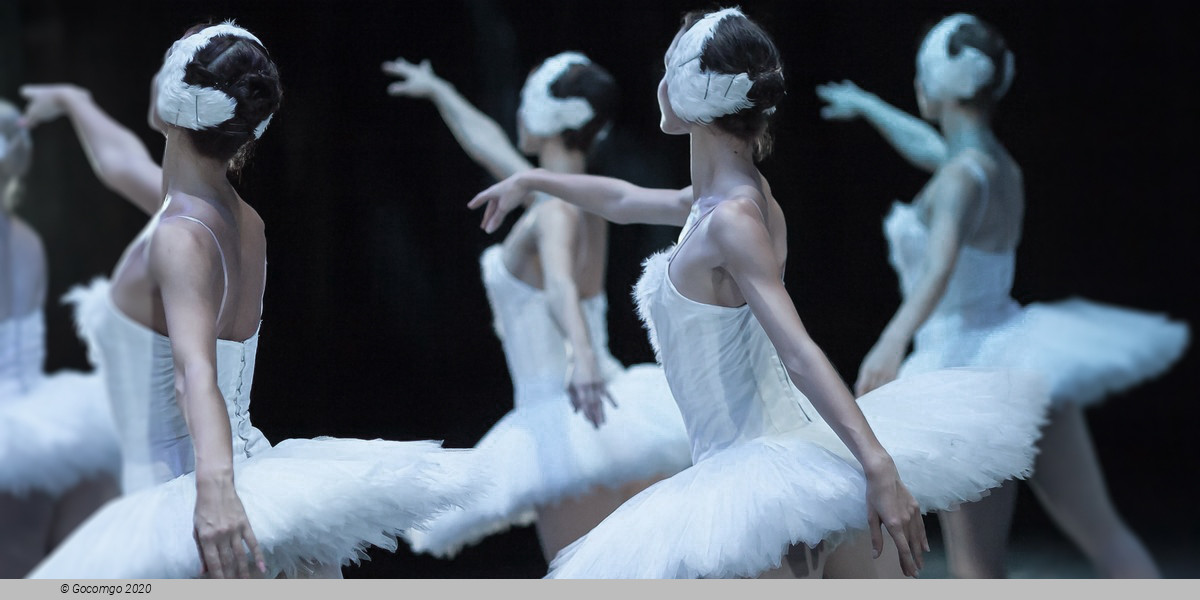
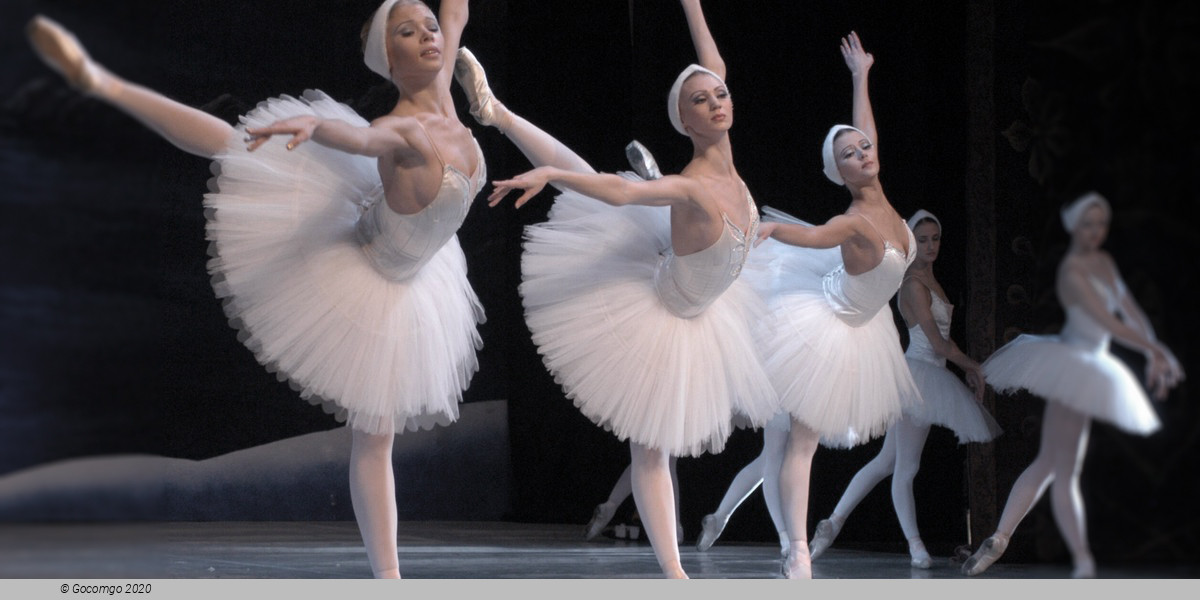
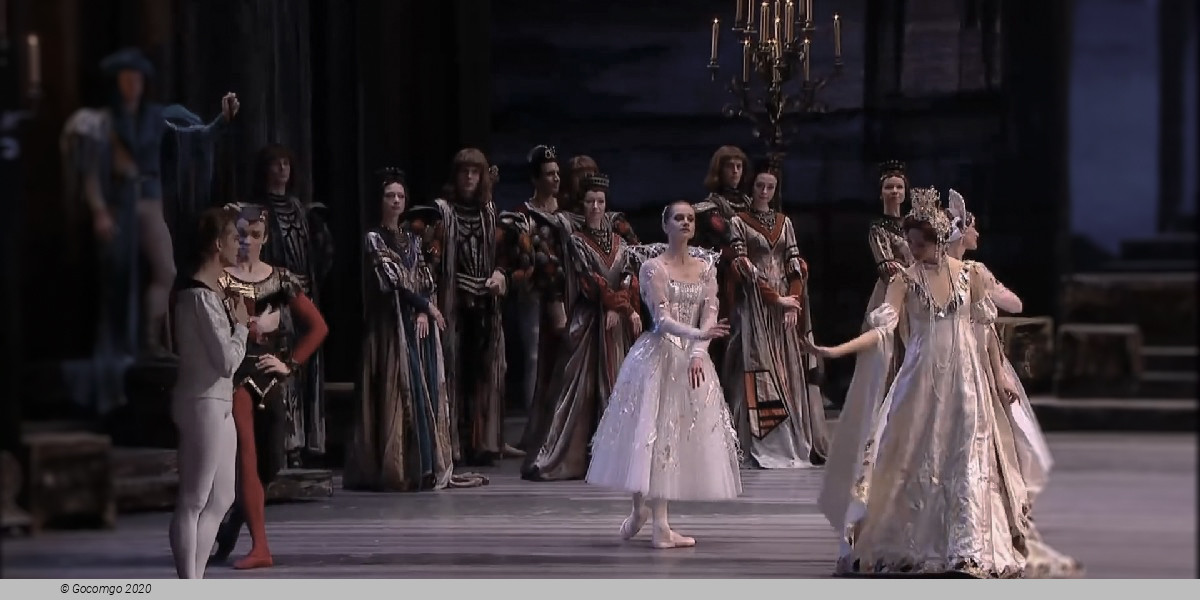
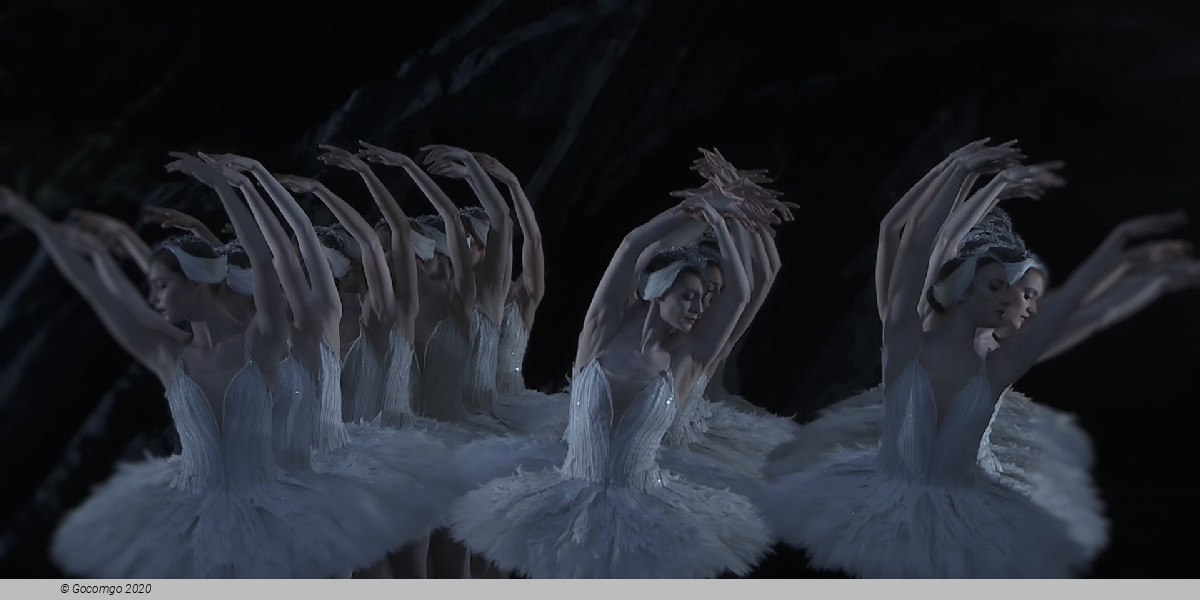
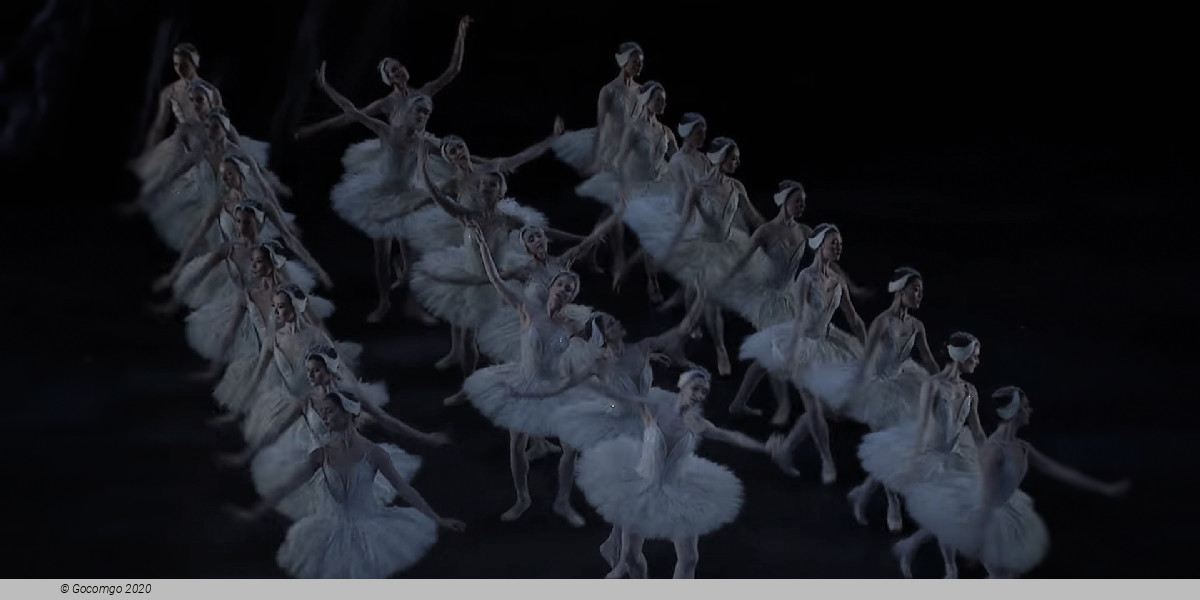
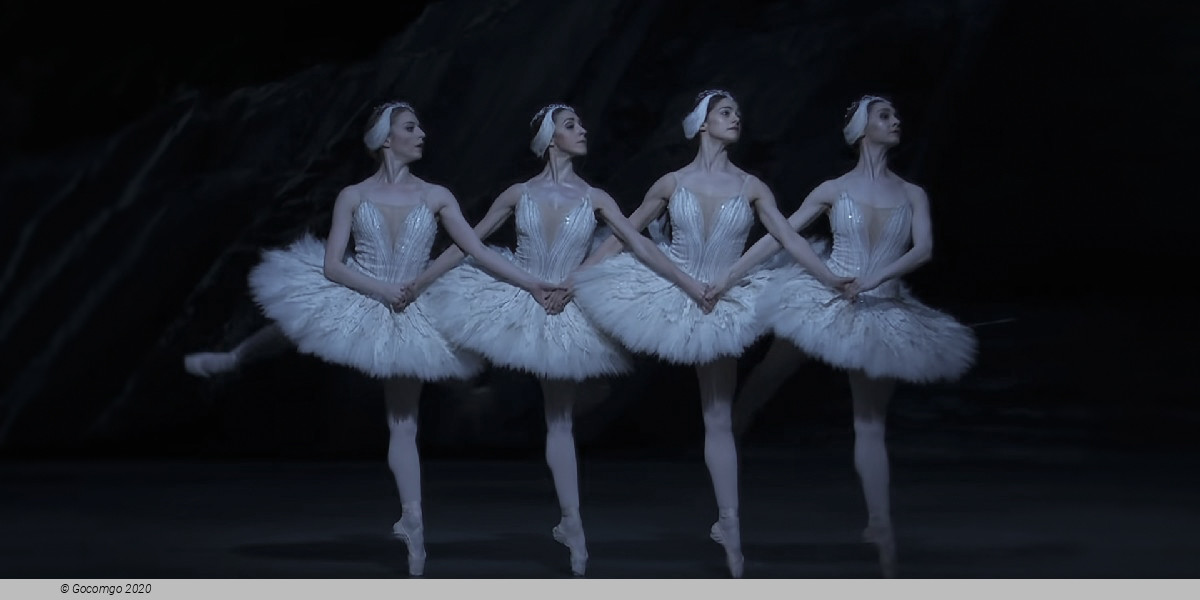
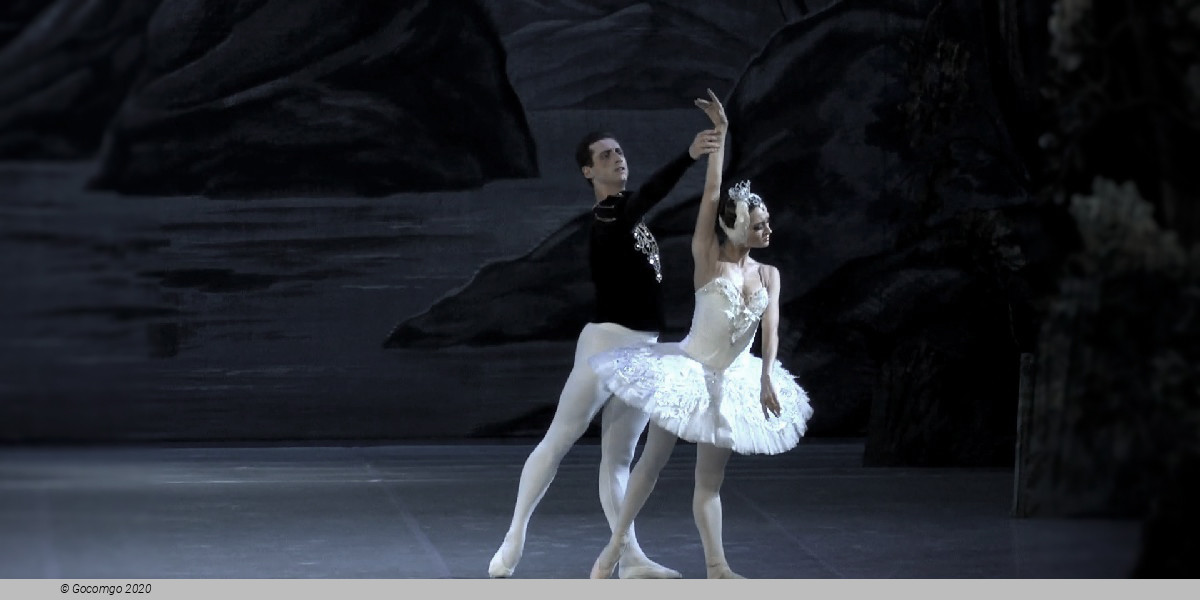
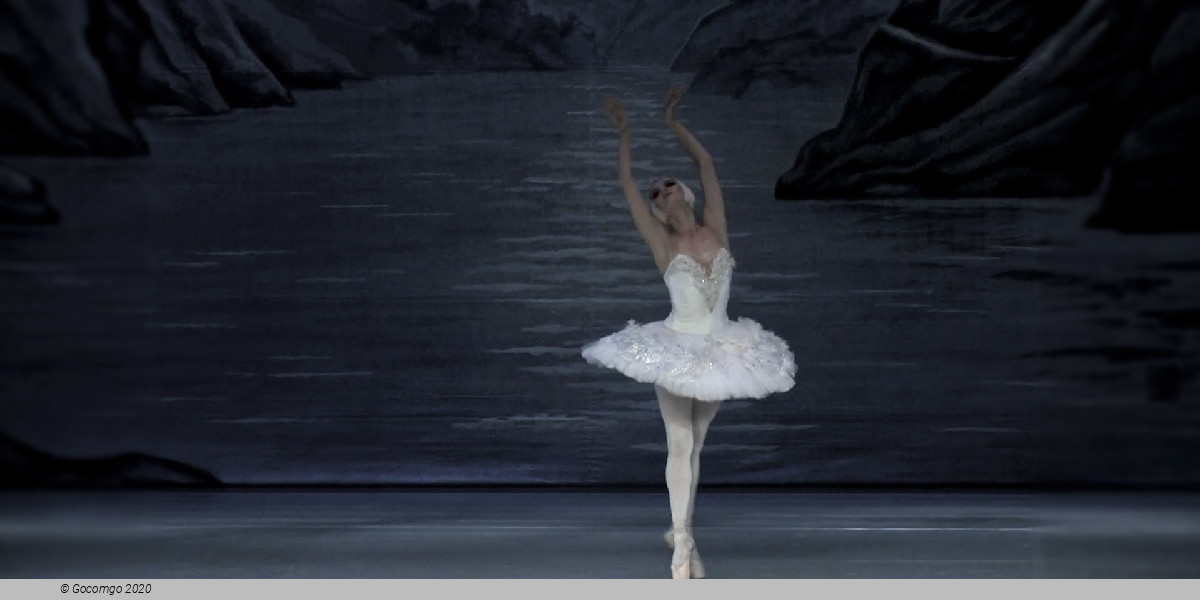
Swan Lake is a ballet composed by Pyotr Ilyich Tchaikovsky in 1875–76. Despite its initial failure, it is now one of the most popular of all ballets. Swan Lake is the ballet which embodies the soul of Russian art. The combination of brilliant music and choreography creates a special kind of magic; what the great 20th century choreographer George Balanchine had in mind when he famously said, “One should call every ballet Swan Lake because then people would come.”

Premiere of this production: 28 June 1841, Salle Le Peletier, Paris, France

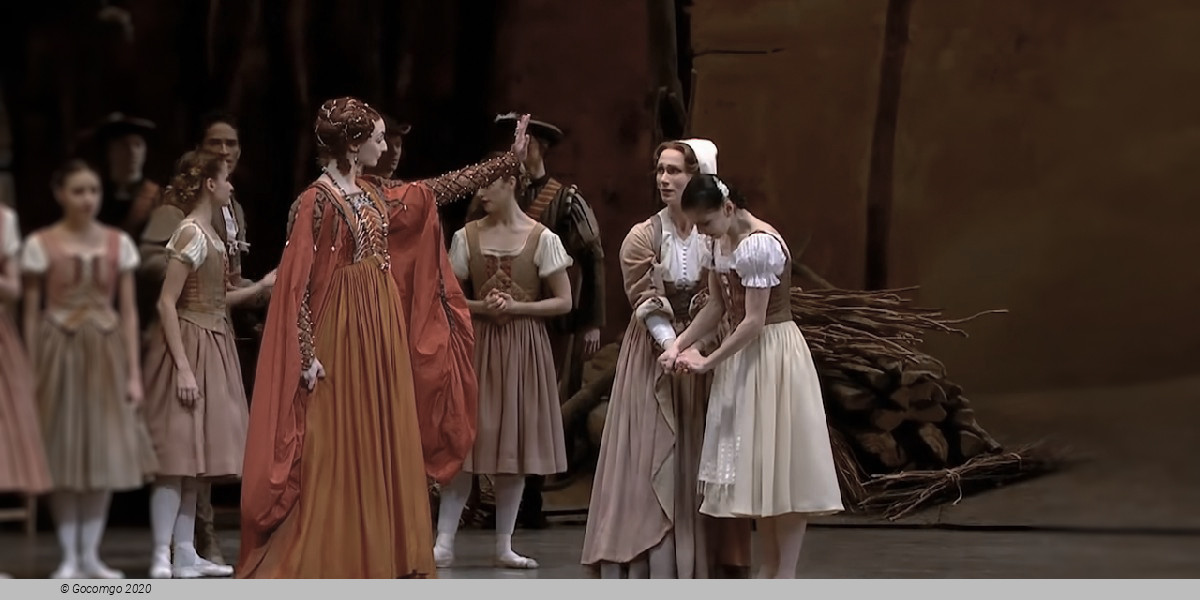
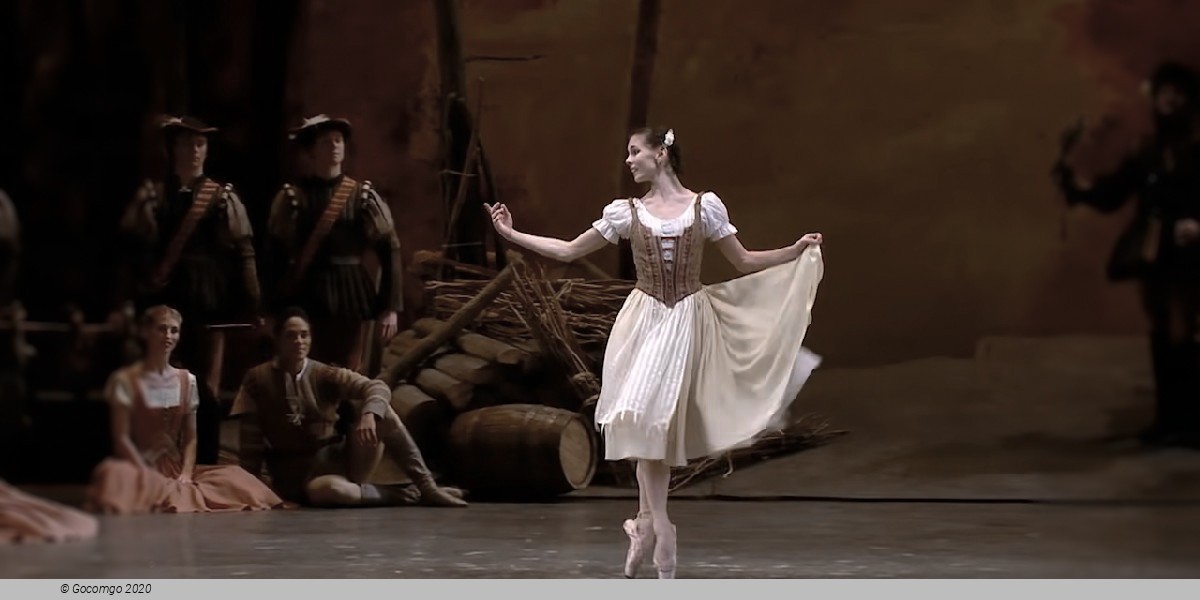
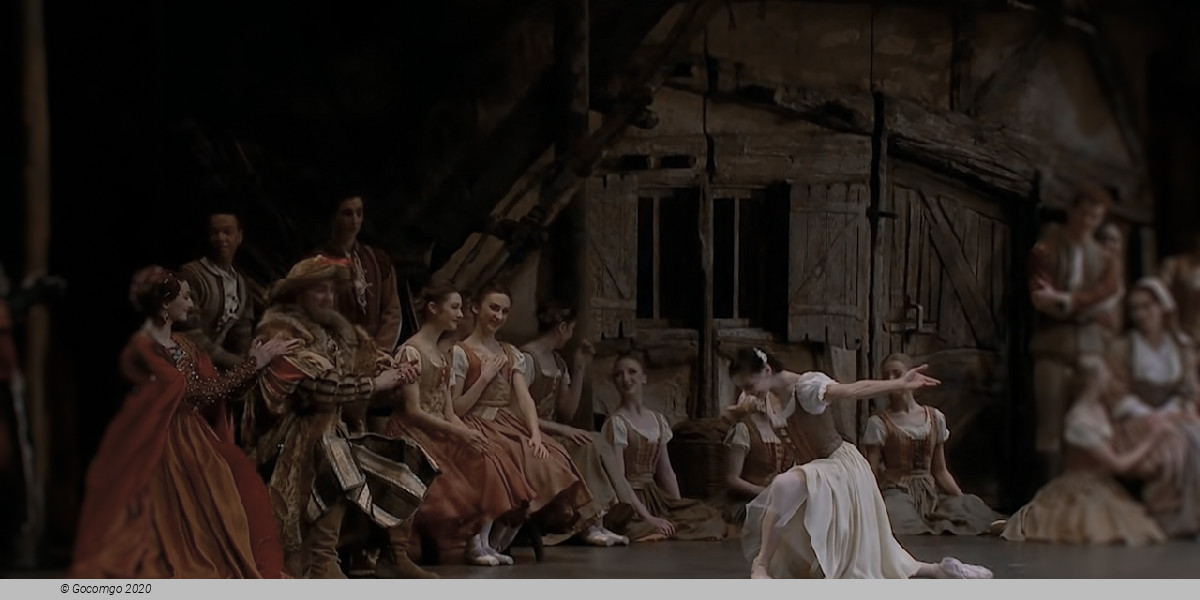
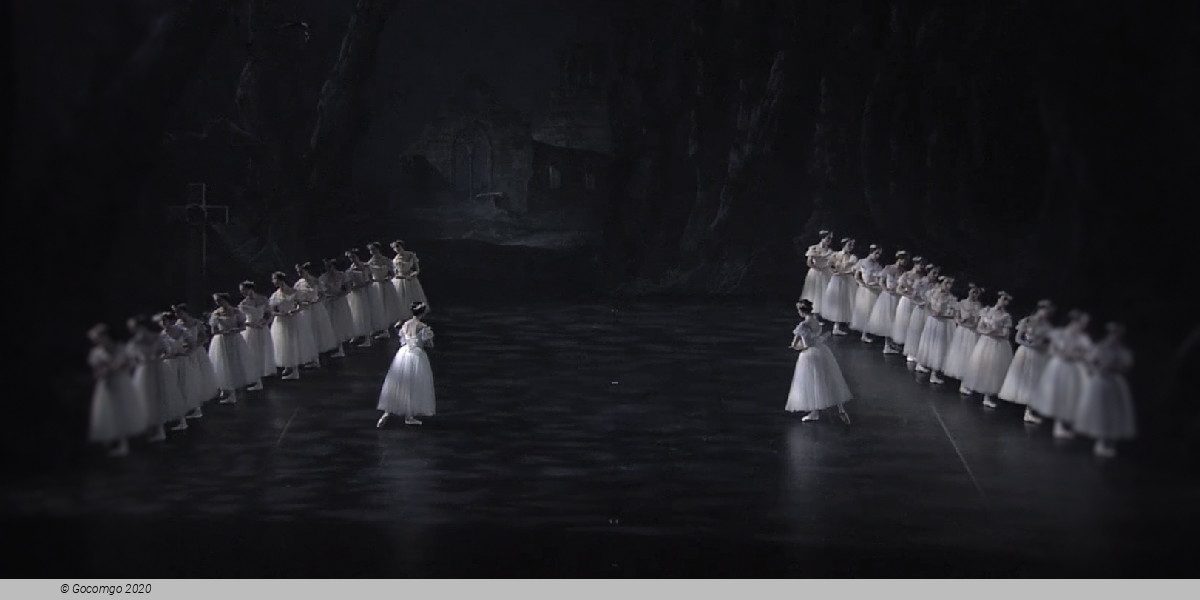
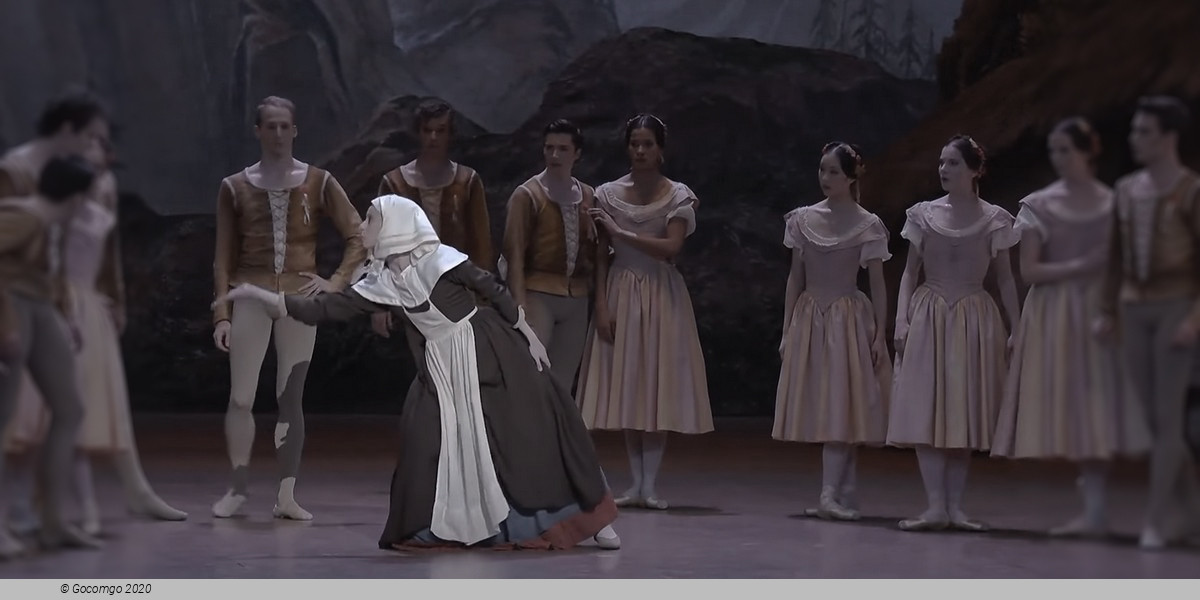
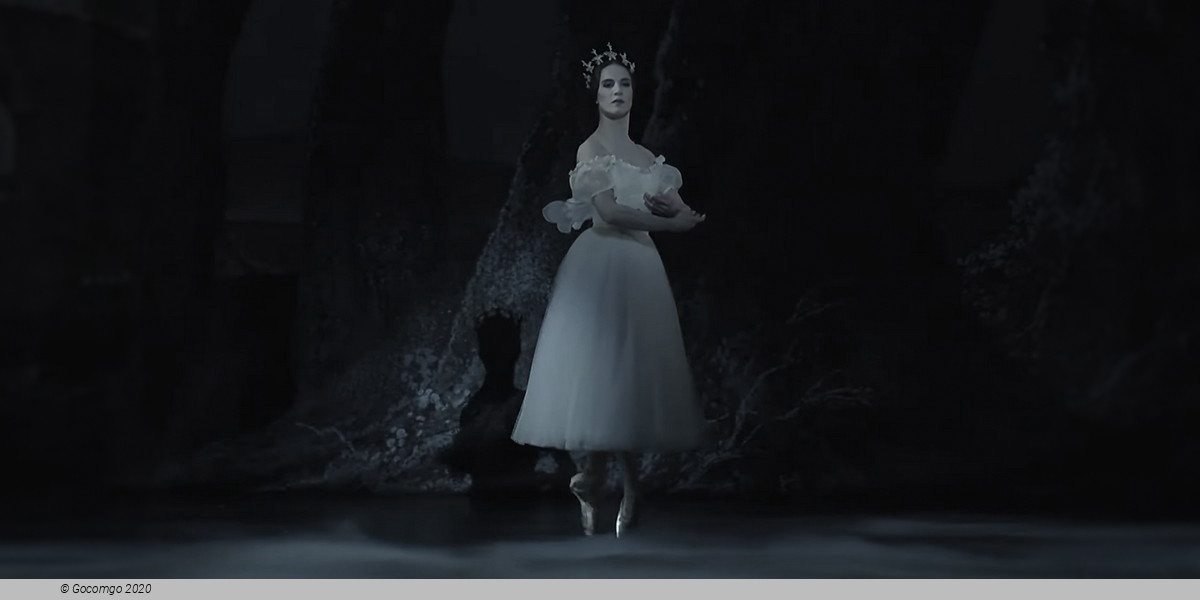
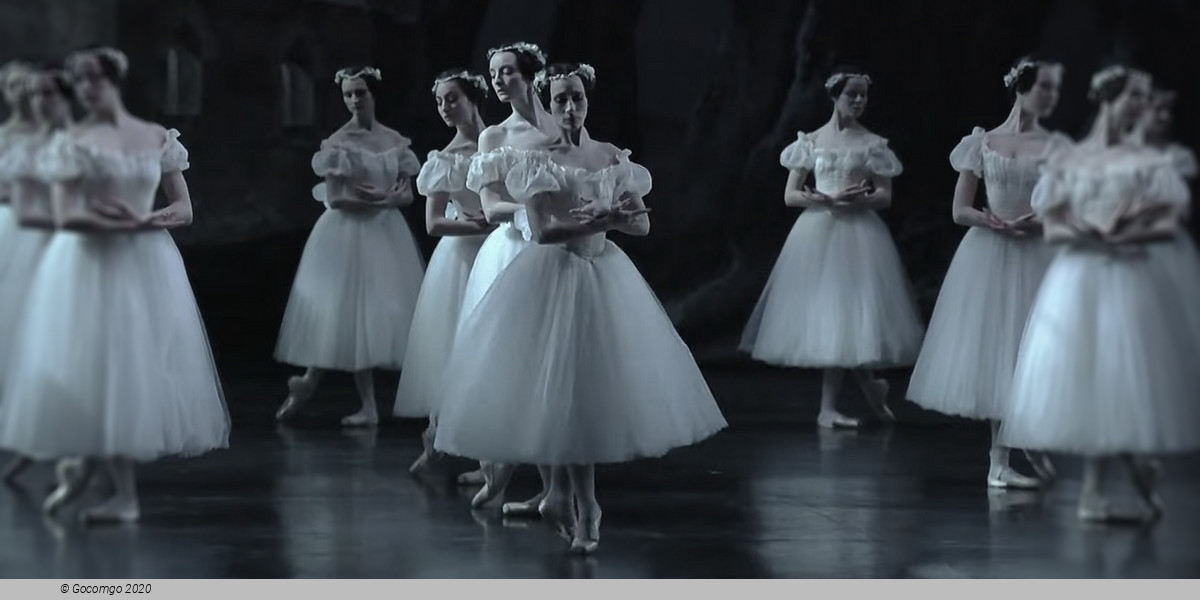
Giselle is a romantic ballet in two acts. It was first performed by the Ballet du Théâtre de l'Académie Royale de Musique at the Salle Le Peletier in Paris, France on 28 June 1841, with Italian ballerina Carlotta Grisi as Giselle. The ballet was an unqualified triumph. Giselle became hugely popular and was staged at once across Europe, Russia, and the United States. The traditional choreography that has been passed down to the present day derives primarily from the revivals staged by Marius Petipa during the late 19th and early 20th centuries for the Imperial Ballet in St. Petersburg.


These Three Gnossiennes were composed around 1890 and first published in 1893. A revision prior to publication in 1893 is not unlikely; the 2nd Gnossienne may even have been composed in that year (it has "April 1893" as date on the manuscript). The piano solo versions of the first three Gnossiennes are without time signatures or bar lines, which is known as free time.

Premiere of this production: 01 April 1846, Salle Le Peletier, Paris

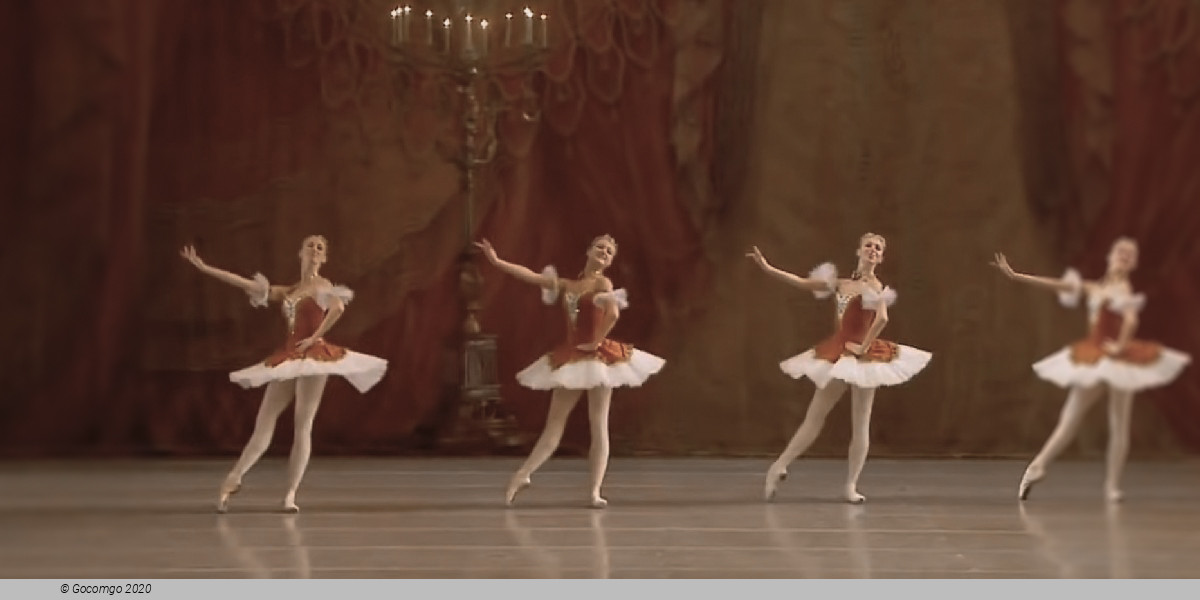
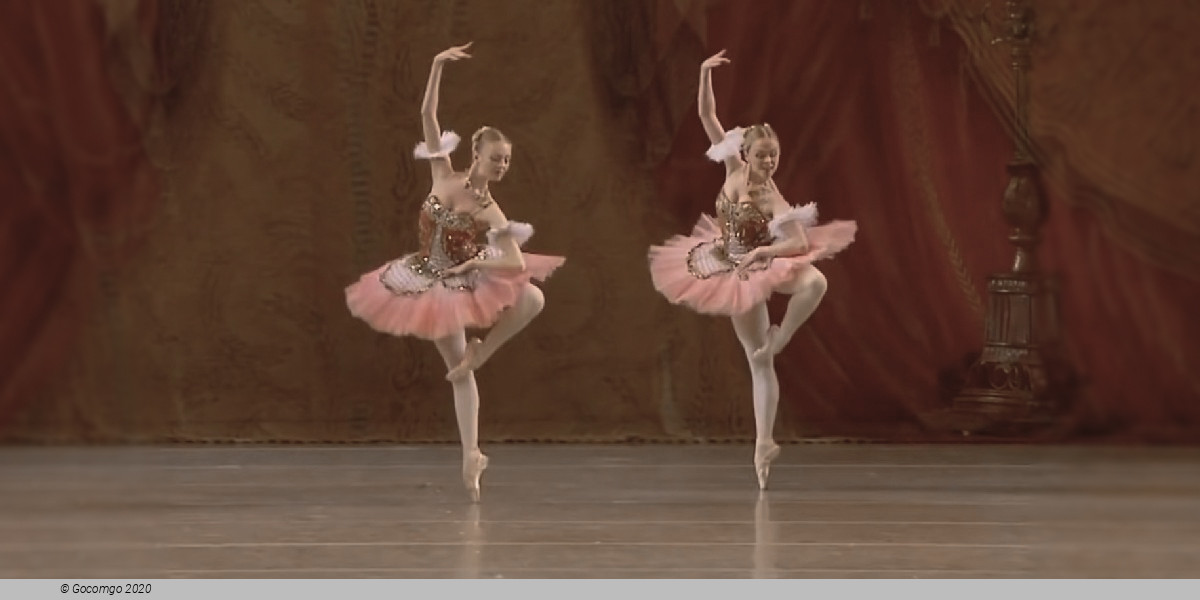
Paquita is a ballet in two acts and three scenes originally choreographed by Joseph Mazilier to music by Édouard Deldevez and Ludwig Minkus. Paul Foucher received royalties as librettist.

Premiere of this production: 13 April 1967, New York State Theater

Jewels is a three-act ballet created for the New York City Ballet by co-founder and founding choreographer George Balanchine. It premièred on Thursday, 13 April 1967 at the New York State Theater, with sets designed by Peter Harvey and lighting by Ronald Bates.

Synopsis

Swan Lake is generally presented in either four acts, four scenes (primarily outside Russia and Eastern Europe) or three acts, four scenes (primarily in Russia and Eastern Europe). The biggest difference of productions all over the world is that the ending, originally tragic, is now sometimes altered to a happy ending.

Prologue
Some productions include a prologue that shows how Odette first meets Rothbart, who turns Odette into a swan.

Act 1

A magnificent park before a palace

[Scène: Allegro giusto] Prince Siegfried is celebrating his birthday with his tutor, friends and peasants [Waltz]. The revelries are interrupted by Siegfried's mother, the Queen [Scène: Allegro moderato], who is concerned about her son's carefree lifestyle. She tells him that he must choose a bride at the royal ball the following evening (some productions include the presentation of some possible candidates). Siegfried is upset that he cannot marry for love. His friend Benno and the tutor try to lift his troubled mood. As evening falls [Sujet], Benno sees a flock of swans flying overhead and suggests they go on a hunt [Finale I]. Siegfried and his friends take their crossbows and set off in pursuit of the swans.

Act 2

A lakeside clearing in a forest by the ruins of a chapel. A moonlit night.

The "Valse des cygnes" from act 2 of the Ivanov/Petipa edition of Swan Lake
Siegfried has become separated from his friends. He arrives at the lakeside clearing, just as a flock of swans land [Scène. Moderato]. He aims his crossbow [Scène. Allegro moderato], but freezes when one of them transforms into a beautiful maiden, Odette [Scène. Moderato]. At first, she is terrified of Siegfried. When he promises not to harm her, she explains she and her companions are victims of a spell cast by the evil owl-like sorcerer Rothbart. By day they are turned into swans and only at night, by the side of the enchanted lake – created from the tears of Odette's mother – do they return to human form. The spell can only be broken if one who has never loved before swears to love Odette forever. Rothbart suddenly appears [Scène. Allegro vivo]. Siegfried threatens to kill him but Odette intercedes – if Rothbart dies before the spell is broken, it can never be undone.

As Rothbart disappears, the swan maidens fill the clearing [Scène: Allegro, Moderato assai quasi andante]. Siegfried breaks his crossbow, and sets about winning Odette's trust as the two fall in love. But as dawn arrives, the evil spell draws Odette and her companions back to the lake and they are turned into swans again.

Act 3

An opulent hall in the palace

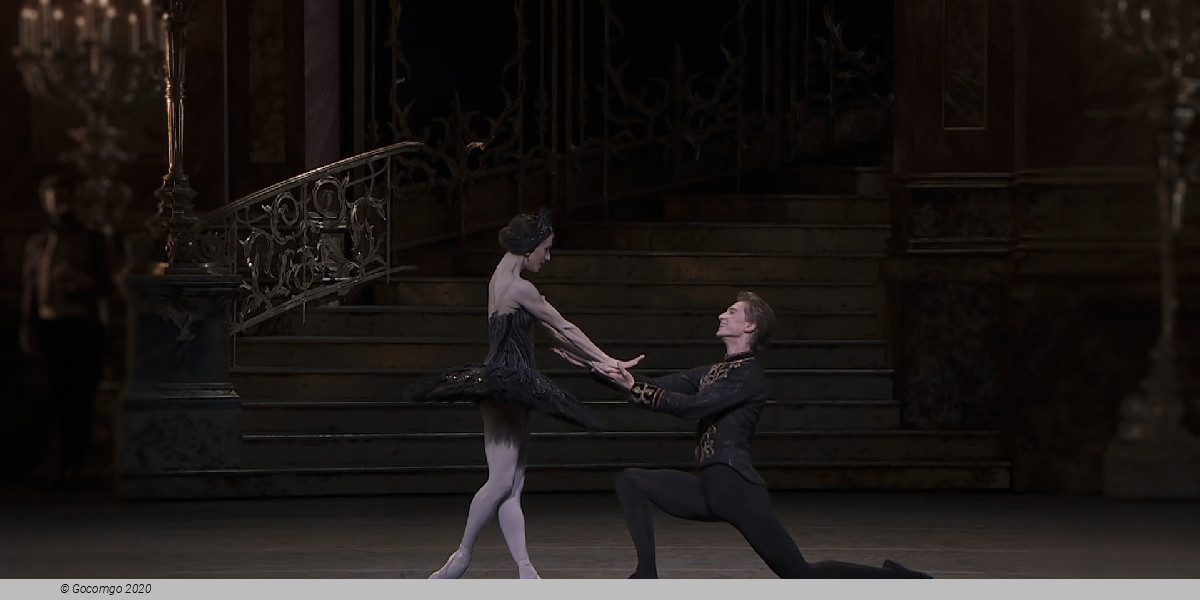
Guests arrive at the palace for a costume ball. Six princesses are presented to the prince [Entrance of the Guests and Waltz], as candidates for marriage. Rothbart arrives in disguise [Scène: Allegro, Allegro giusto] with his daughter, Odile, who is transformed to look like Odette. Though the princesses try to attract the prince with their dances [Pas de six], Siegfried has eyes only for Odile. [Scène: Allegro, Tempo di valse, Allegro vivo] Odette appears (usually at the castle window) and attempts to warn Siegfried, but he does not see her. He then proclaims to the court that he will marry "Odette" (Odile) before Rothbart shows him a magical vision of Odette. Grief-stricken and realizing his mistake, Siegfried hurries back to the lake.

Act 4

By the lakeside

Odette is distraught. The swan-maidens try to comfort her. Siegfried returns to the lake and makes a passionate apology. She forgives him, but his betrayal cannot be undone. Rather than remain a swan forever, Odette chooses to die. Siegfried chooses to die with her and they leap into the lake. This breaks Rothbart's spell over the swan maidens, causing him to lose his power over them and he dies. In an apotheosis, the swan maidens watch as Siegfried and Odette ascend into the Heavens together, forever united in love.

Act I

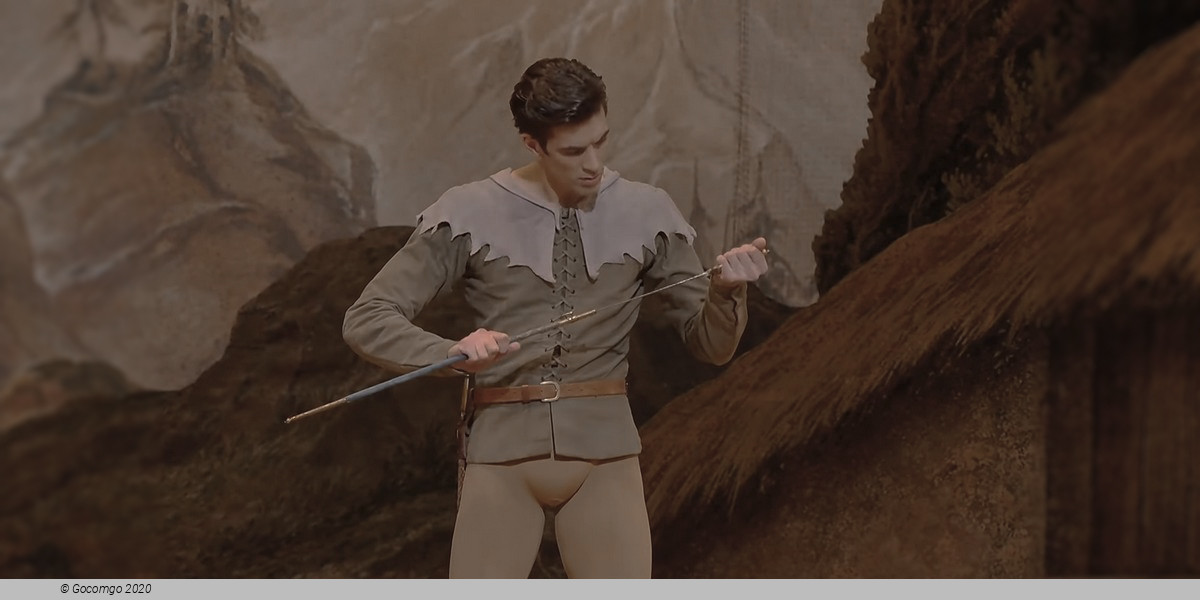
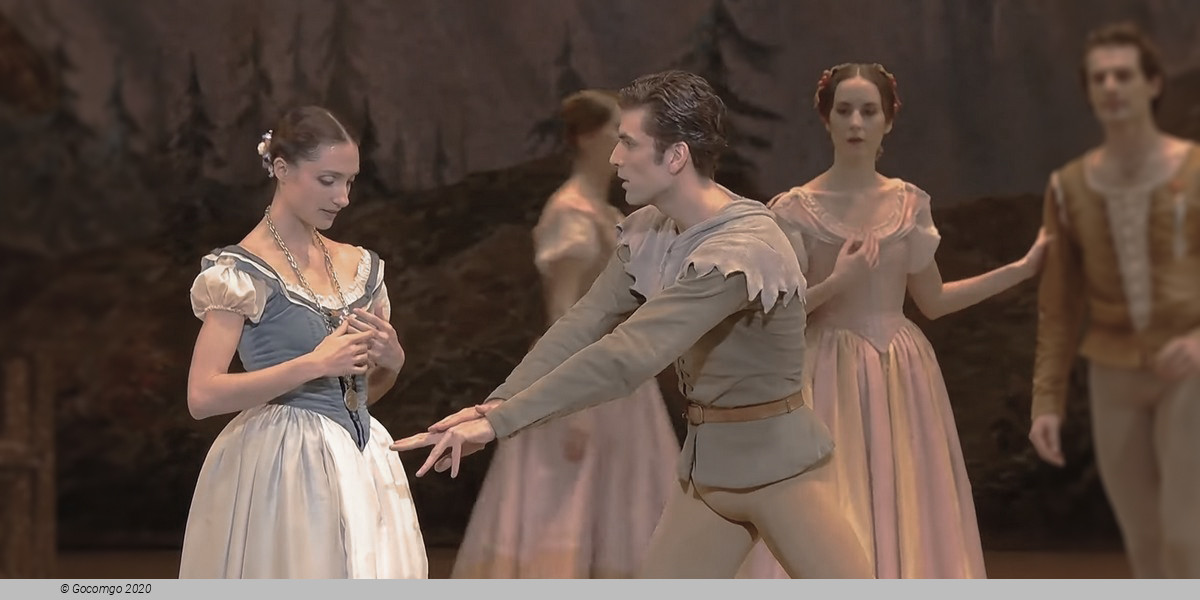
The ballet opens on a sunny autumnal morning in the Rhineland during the Middle Ages. The grape harvest is in progress. Duke Albrecht of Silesia, a young nobleman, has fallen in love with a shy, beautiful peasant girl, Giselle, despite being betrothed to Bathilde, the daughter of the Duke of Courland. Albrecht disguises himself as a humble villager called "Loys" in order to court the enchanting and innocent Giselle, who knows nothing of his true identity. With the help of his squire, Albrecht hides his fine attire, hunting horn, and sword before coaxing Giselle out of her house to romance her as the harvest festivities begin.

Hilarion, a local gamekeeper, is also in love with Giselle and is highly suspicious of the newcomer who has won Giselle's affections. He tries to convince the naive Giselle that her beau cannot be trusted, but she ignores his warnings. Giselle's mother, Berthe, is very protective of her daughter, as Giselle has a weak heart that leaves her in delicate health. She discourages a relationship between Giselle and Loys, thinking Hilarion would be a better match, and disapproves of Giselle's fondness for dancing, due to the strain on her heart.

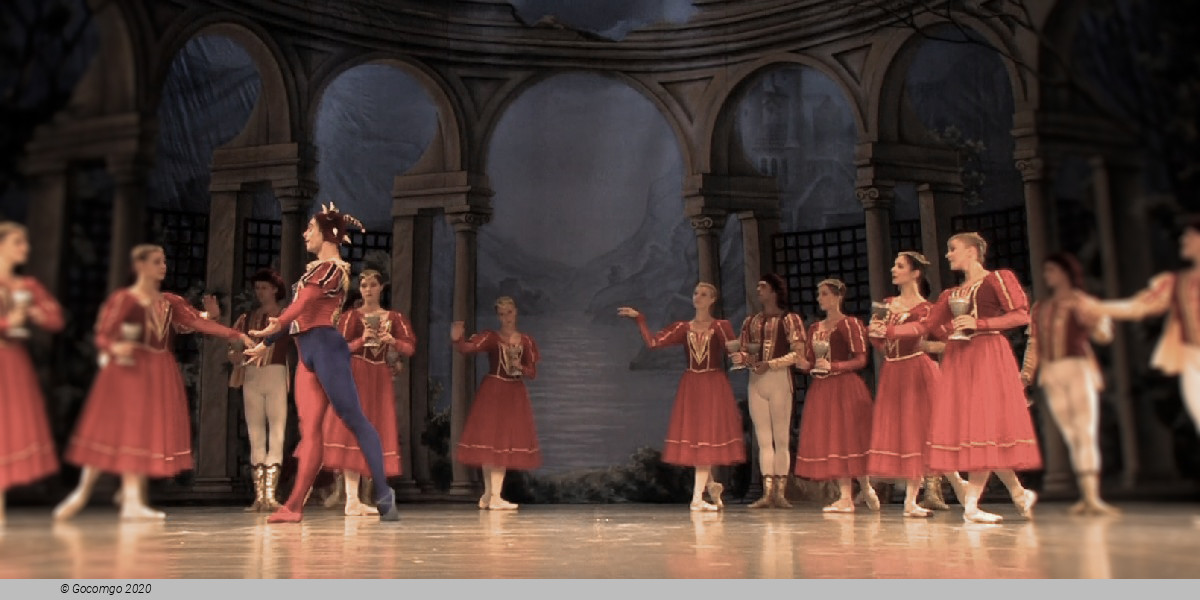
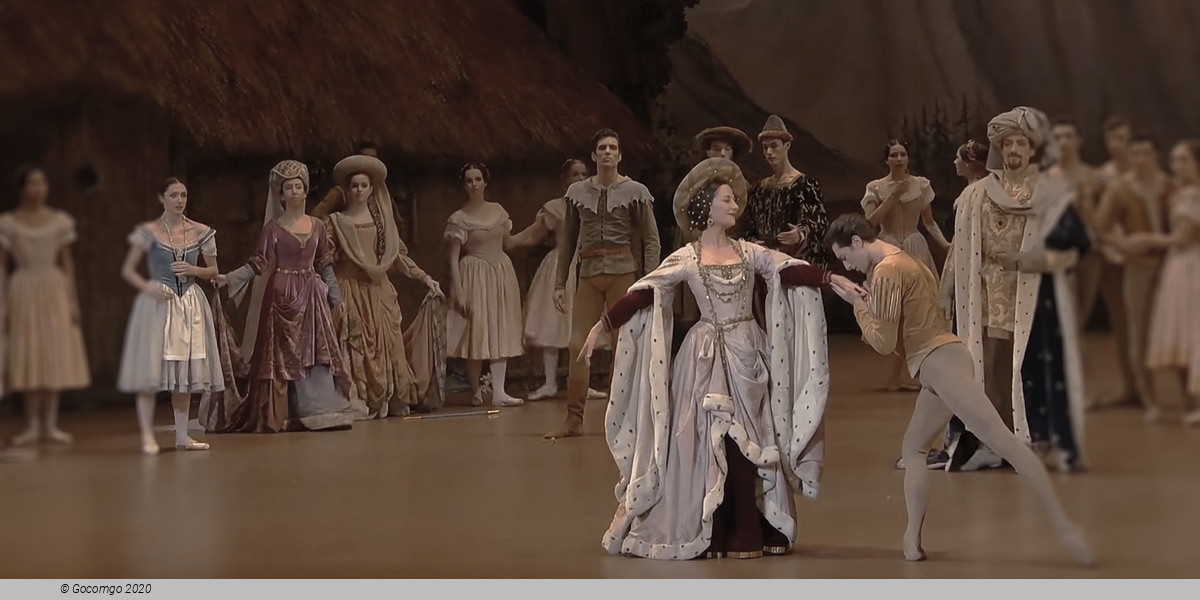
A party of noblemen seeking refreshment following the rigors of the hunt arrive in the village, Albrecht's betrothed, Bathilde, among them. Albrecht hurries away, knowing he would be recognized and greeted by Bathilde, exposing him as a nobleman. The villagers welcome the party, offer them drinks, and perform several dances. Bathilde is charmed with Giselle's sweet and demure nature, not knowing of her relationship with Albrecht. Giselle is honored when the beautiful and regal stranger offers her a necklace as a gift before the group of nobles depart.

The villagers continue the harvest festivities, and Albrecht emerges again to dance with Giselle, who is named the Harvest Queen. Hilarion interrupts the festivities. He has discovered Albrecht's finely made sword and presents it as proof that the lovesick peasant boy is really a nobleman who is promised to another woman. Using Albrecht's hunting horn, Hilarion calls back the party of noblemen. Albrecht has no time to hide and has no choice but to greet Bathilde as his betrothed. All are shocked by the revelation, but none more than Giselle, who becomes inconsolable when faced with her lover's deception. Knowing that they can never be together, Giselle flies into a mad fit of grief in which all the tender moments she shared with "Loys" flash before her eyes. She begins to dance wildly and erratically, ultimately causing her weak heart to give out. She collapses before dying in Albrecht's arms. Hilarion and Albrecht turn on each other in rage before Albrecht flees the scene in misery. The curtain closes as Berthe weeps over her daughter's body.

In the original version, taken up again recently by a production of the ROB, Giselle stabs herself with Albrecht's sword, which explains why her body is laid to rest in the forest, in unhallowed ground, where the Wilis have the power to summon her. Most modern versions are sanitized and have edited out the suicide.

Act II

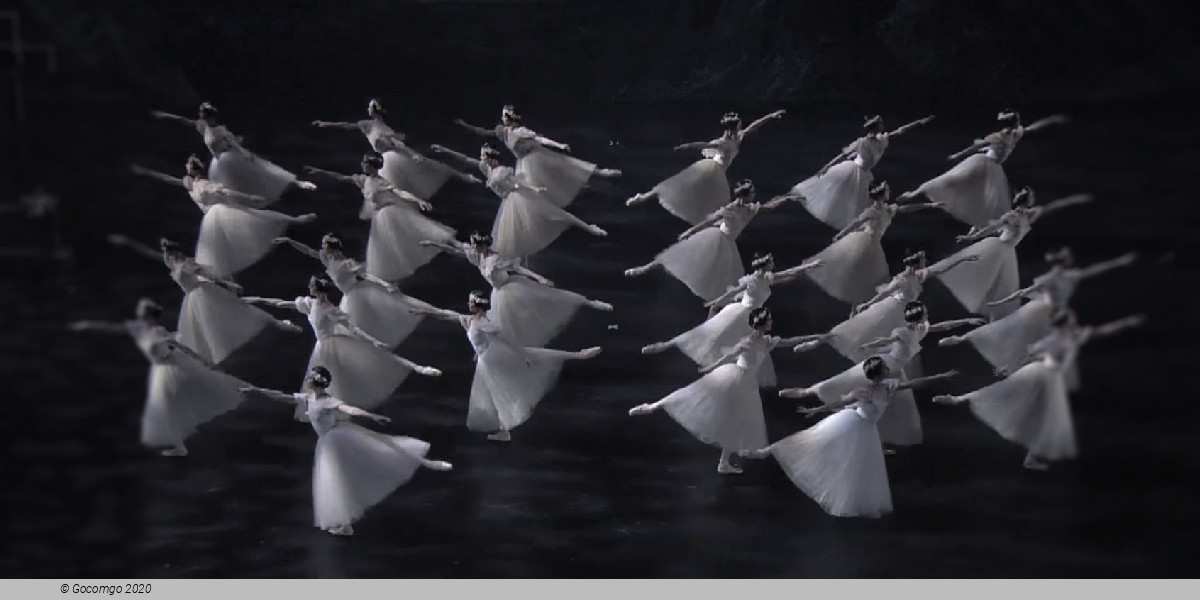
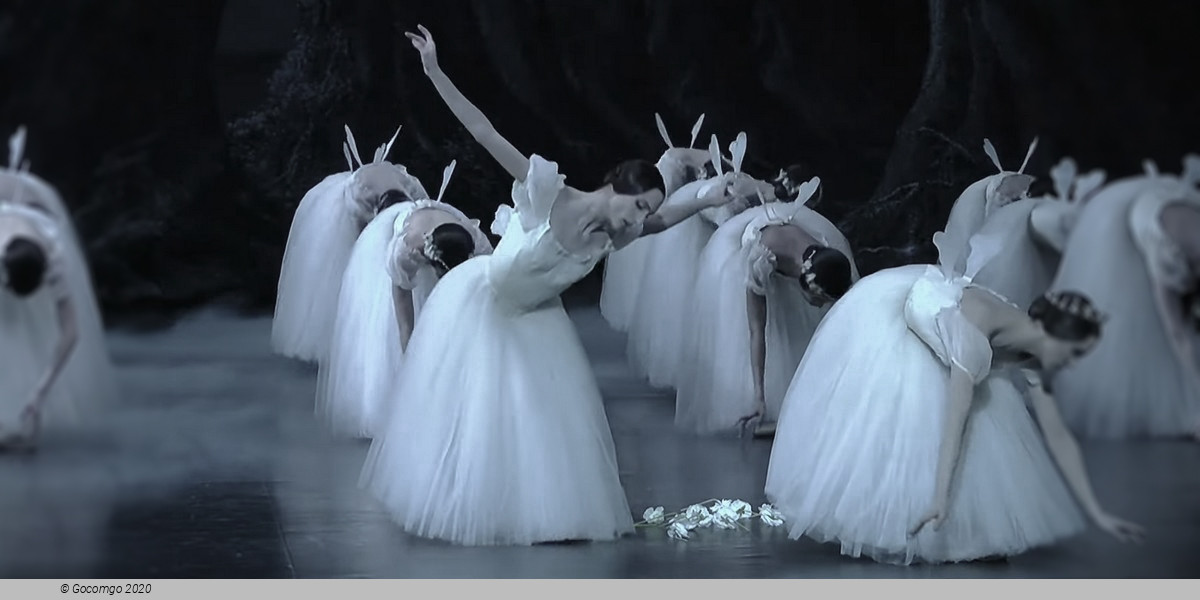
Late at night, Hilarion mourns at Giselle's forest grave, but is frightened away by the arrival of the Wilis, the ghostly spirits of maidens betrayed by their lovers. Many Wili were abandoned on their wedding days, and all died of broken hearts. The Wilis, led by their merciless queen Myrtha, dance and haunt the forest at night to exact their revenge on any man they encounter, regardless of who he may be, forcing their victims to dance until they die of exhaustion.

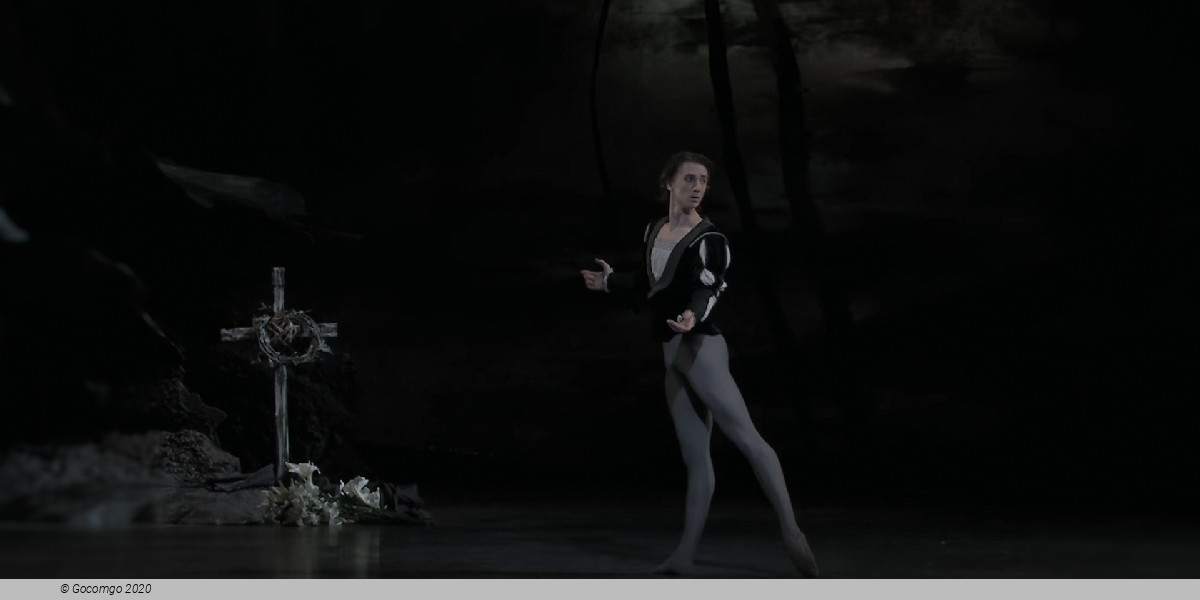
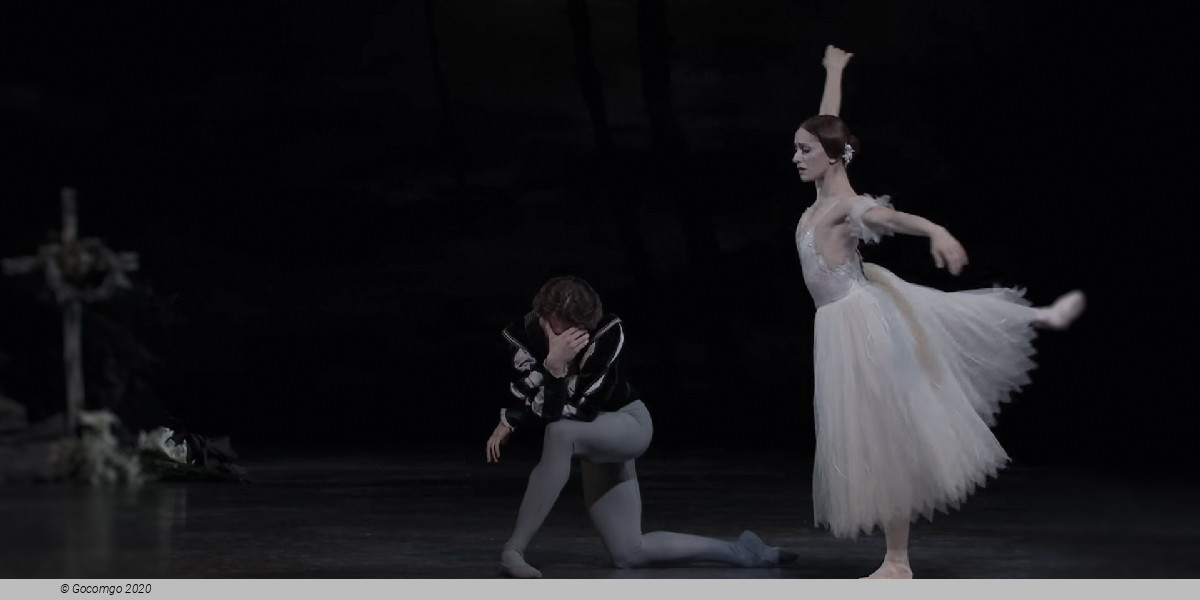
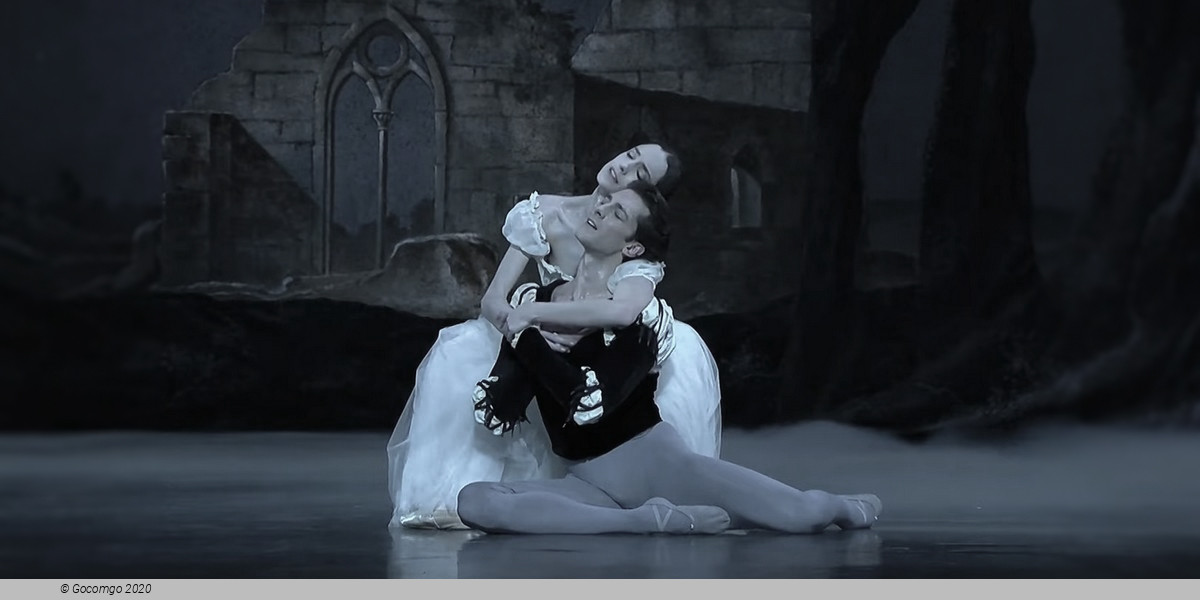
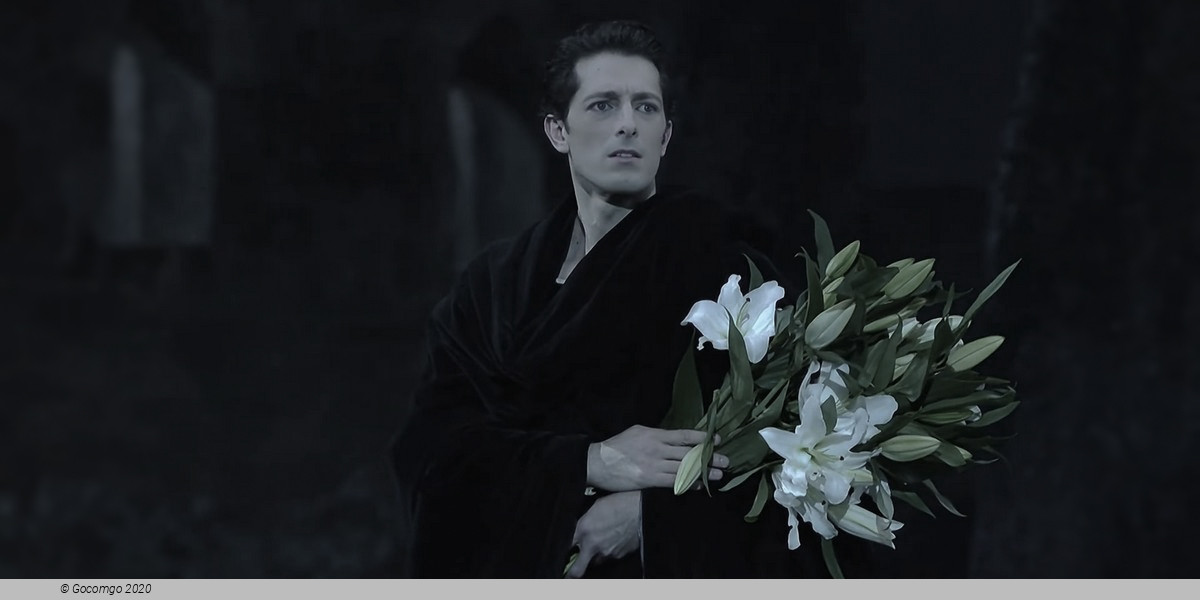
Myrtha and the Wilis rouse Giselle's spirit from her grave and induct her into their clan before disappearing into the forest. Albrecht arrives to lay flowers on Giselle's grave and he weeps with guilt over her death. Giselle's spirit appears and Albrecht begs her forgiveness. Giselle, her love undiminished unlike her vengeful sisters, gently forgives him. She disappears to join the rest of the Wilis and Albrecht desperately follows her.

Meanwhile, the Wilis have cornered a terrified Hilarion. They use their magic to force him to dance until he is nearly dead, and then drown him in a nearby lake. Then they spy Albrecht, and turn on him, sentencing him to death as well. He pleads to Myrtha for his life, but she coldly refuses. Giselle's pleas are also dismissed and Albrecht is forced to dance until sunrise. However, the power of Giselle's love counters the Wilis' magic and spares his life. The other spirits return to their graves at daybreak, but Giselle has broken through the chains of hatred and vengeance that control the Wilis, and is thus released from their powers and will haunt the forest no longer. After bidding a tender farewell to Albrecht, Giselle returns to her grave to rest in peace.

The story takes place in Spain during the presence of Napoleon's army. The heroine is the young gypsy girl, Paquita. Unbeknownst to Paquita, she is really of noble birth, having been abducted by gypsies when she was an infant. She saves the life of a young French officer, Lucien d'Hervilly, who is the target of a Spanish governor who desires to have him killed by Iñigo, a gypsy chief. By way of a medallion she discovers that she is of noble birth, being in fact the cousin of Lucien. As such, she and the Officer are able to get married.


Venue Info

Shanghai Grand Theatre - Shanghai
Location   300 Renmin Ave, Ren Min Guang Chang

The Shanghai Grand Theatre is one of the largest and best-equipped automatic stages in the world. Since the theatre opened on August 27, 1998, it has staged over 6,000 performances of operas, musicals, ballets, symphonies, chamber music concerts, spoken dramas and various Chinese operas.
The site is located at the intersection of Central Boulevard and Huangpi Road South in the northern part of the People's Square in Huangpu District, Shanghai. It is the home of the Shanghai Opera House Company; however, the title "Shanghai Opera House" officially applies to only the performing company and not to the building. The Shanghai Grand Theatre is also the resident for other performing companies.

Shanghai Grand Theater actively combines domestic and foreign performing arts and production resources and presents world classics to Chinese audiences in the way of its own after integrating national elements and characteristics. It has successively cooperated with Shanghai Shaoxing Opera House, Shanghai Ballet Company, Shanghai Opera House, Shanghai Peking Opera House, Salzburg Music Festival in Austria, Budapest Grand Art Palace in Hungary, and The Royal Opera House in Britain to launch various types of performances, such as operas, ballets, and dramas. The mode of adding Chinese elements to the world excellent culture has played a vital role in promoting Shanghai's cultural originality and creativity as well as the spirit of the times.

Architecture

The Grand Theatre building is a landmark for the city Shanghai. With a total investment of 1.2 billion RMB, an area of 2.1 hectares and a total construction area of 70,000 sq. meters, SGT is home to three theatres inside: the Lyric Theatre with 1,800 seats, the drama theatre that can seat 600 and the studio theatre of 300 seats. All sound and lighting devices were sourced from world famous suppliers. The stage in the Lyric Theatre, which has an area of about 1,700 square meters, including main stage, rear stage and left/right side stages, is one of the world’s biggest, best equipped and most versatile automatic mechanical stages. Supporting facilities of the Theatre include the SGT Arc Banquet Hall (Sky Ball Room), Maxim’s, Box Office and a big underground parking lot.

The building’s distinctive architectural style was designed by ARTE Charpentier, a famous architecture design company founded by French architect Jean-Marie Charpentier. And its interior was designed by STUDIOS Architecture. When the night falls, the light installations around the build make the site’s entire exterior resemble a crystal palace.

Important Info
Type: Ballet
City: Shanghai, China
Starts at: 14:00
Duration: 2h
Top of page