To music by Gustav Mahler, Boris Tishchenko
“I turn to literary masterpieces not so much in search of plotlines, but rather in a quest to enrich the production with philosophical and intellectual ideas – those that do not lie on the surface of the text, but reveal themselves upon a deep dive into the essence of the work.” This creative manifesto, as expressed by Boris Eifman, eloquently explains his enduring fascination with the works of great writers, especially Fyodor Dostoevsky, who stands as one of the foremost thinkers and artists in global culture.
The first ballet inspired by the work of the Russian author, The Idiot, was created by the choreographer as far back as 1980. In later years, choreographic interpretations of The Brothers Karamazov were born. The last masterpiece by Dostoevsky inspired two of Eifman’s creations: the 1995 production The Karamazovs and the ballet Beyond Sin, which premiered 18 years later.
Crime and Punishment is the third novel of the “Great Five Books” interpreted by the choreographer through the expressive medium of dance. Remaining true to his artistic principles, Boris Eifman does not merely illustrate the canonical text. Instead, he accumulates the expressive and exploratory tools he has honed over decades of creative work to offer his own answers to profound questions about the inner nature of humanity, the significance of universal moral compasses, and the consequences of their downfall.
“Fyodor Dostoevsky’s creations serve as an endless source of wisdom, capable of brightening the darkest corners of existence with the light of innermost truth. “He that hath ears to hear, let him hear.”
Crime and Punishment marks the beginning of the author’s series of “big” novels, and it is to this work that I have been drawn throughout my conscious life, at times approaching it as if it were an impregnable citadel, and at other times retreating in doubt and indecision.
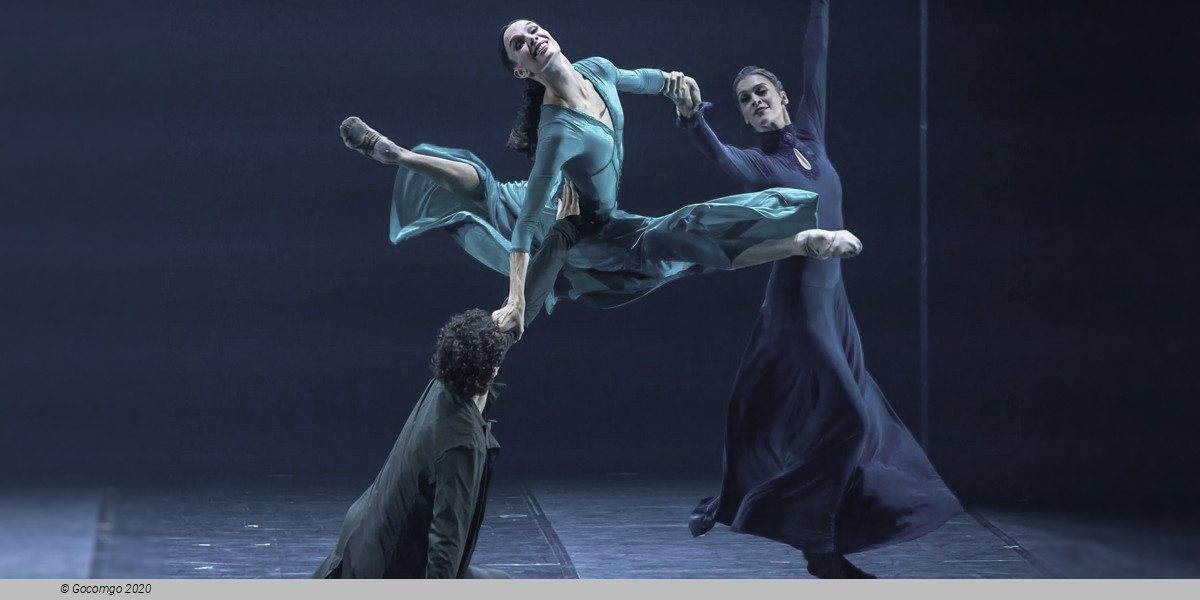
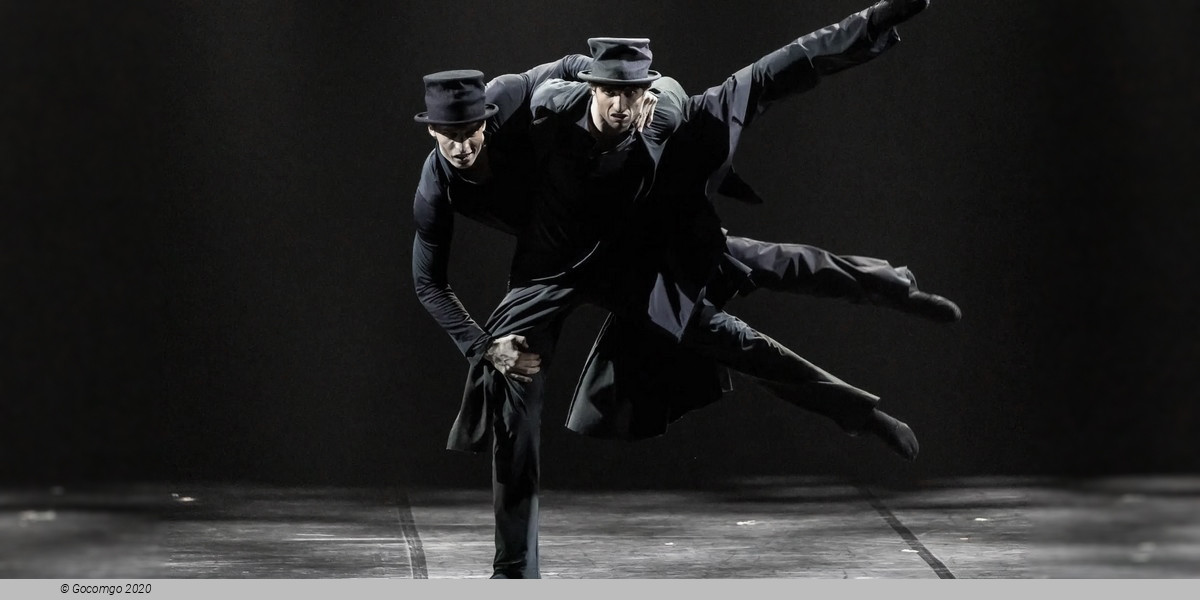
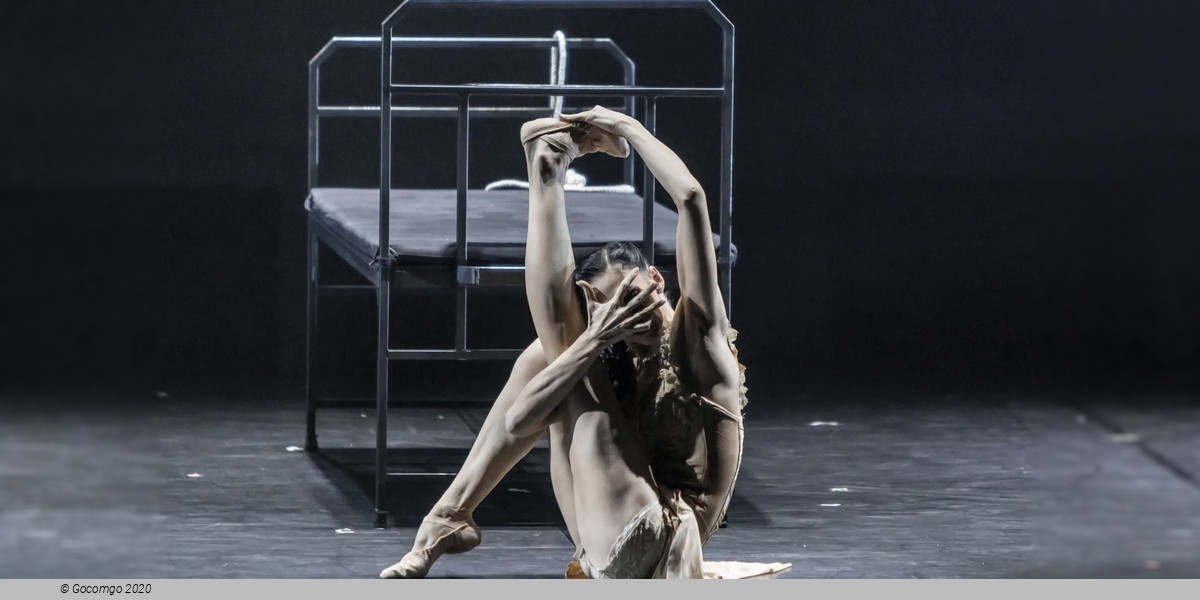
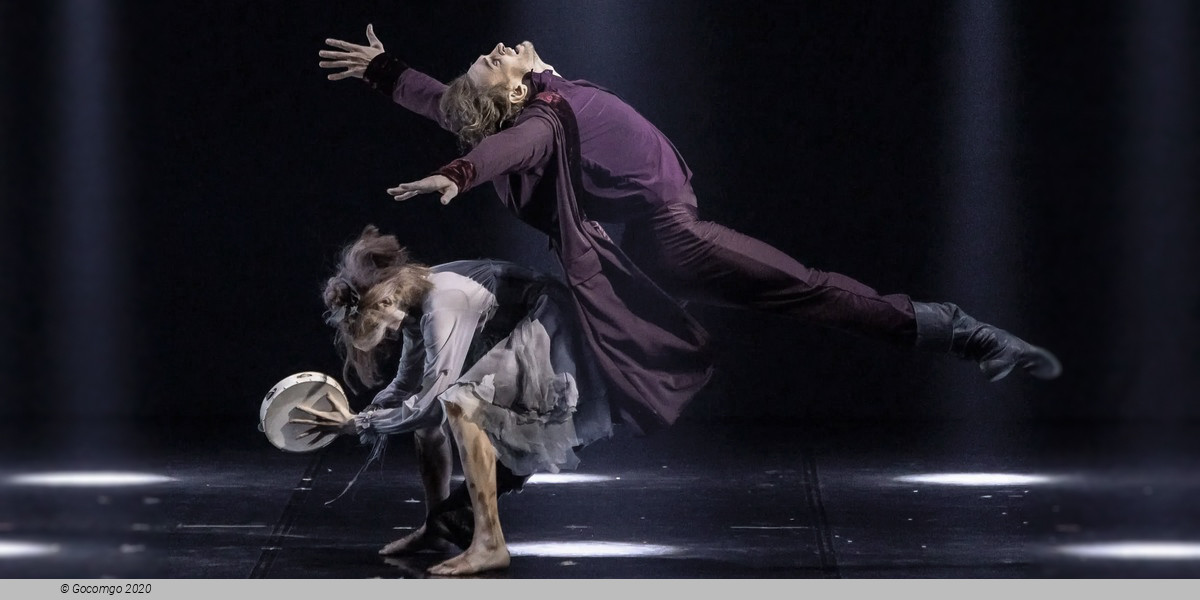
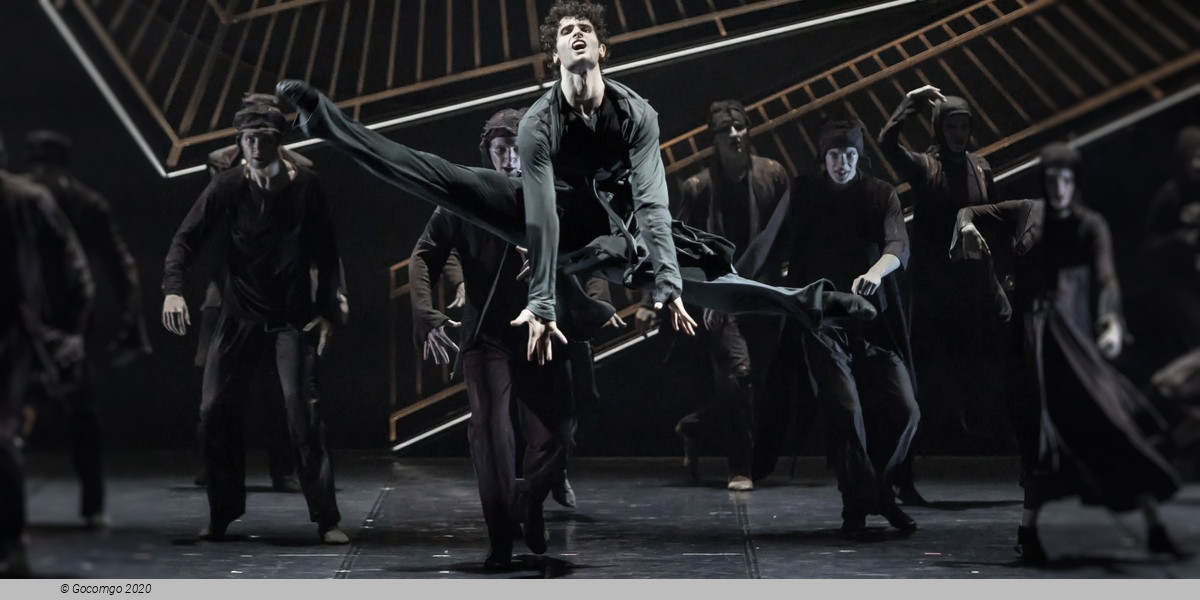
Our production does not recount the storyline of the book; rather, it interprets through dance the emotional and conceptual universe of Dostoevsky’s central characters. Each of them is a microcosm, brimming with transcendent passions and facing insoluble metaphysical contradictions.
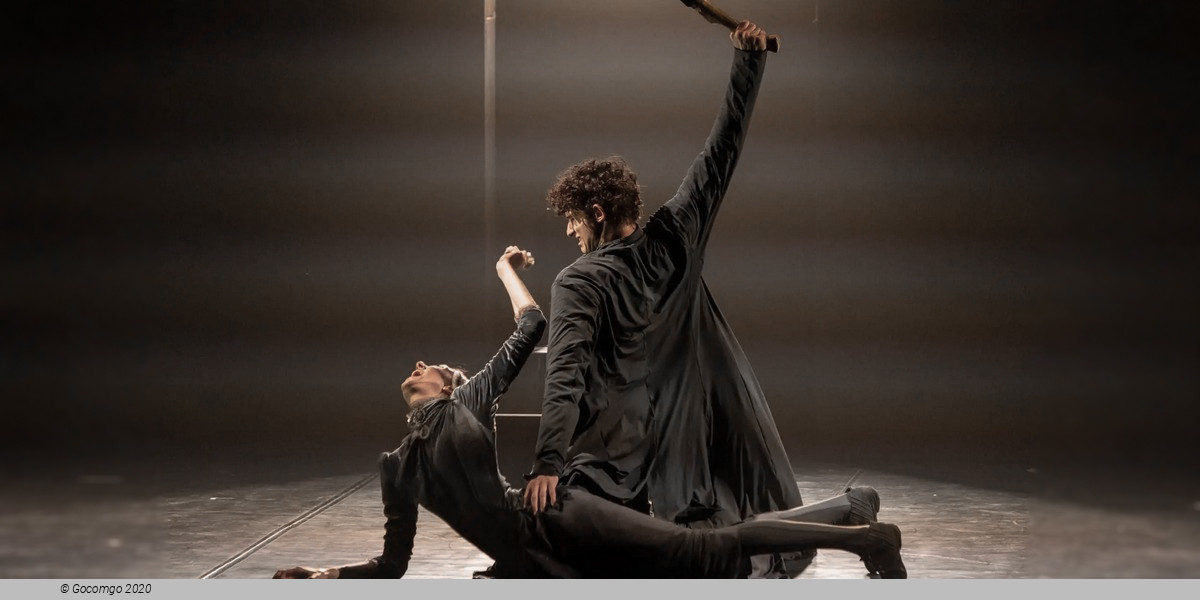
The ballet Crime and Punishment reconstructs the arduous journey of spiritual rebirth of the novel’s protagonist, Rodion Raskolnikov, whose heightened moral sensitivity and empathy for others’ suffering provoke the emergence of a theory about the right of great individuals to “wade through blood” for the greater good. A horrific concept, taking root in the mind of a former student, evolves into his demonic compulsion and urges him toward the act of murder. In the act of committing his crime, Raskolnikov violates the ultimate moral code, but the failed Napoleon cannot overcome the essence of humanity. The downfall of the inhumane theory is inevitable. It is the selfless love of Sonya Marmeladova that brings healing to the protagonist. Passing through the crucible of redemptive suffering, this saintly sinner, like Raskolnikov, moves toward resurrection.
“Thou shalt not kill,” proclaims one of the fundamental commandments. Anyone who defies it negates the absolute value of life, the untouchable gift bestowed by God.”


 B. Dmitrovka, 17