The Pygmalion Effect is Boris Eifman’s first endeavour in recent years to work in the genre of comedy or, more accurately, tragicomedy – the form which the choreographer has perfected.
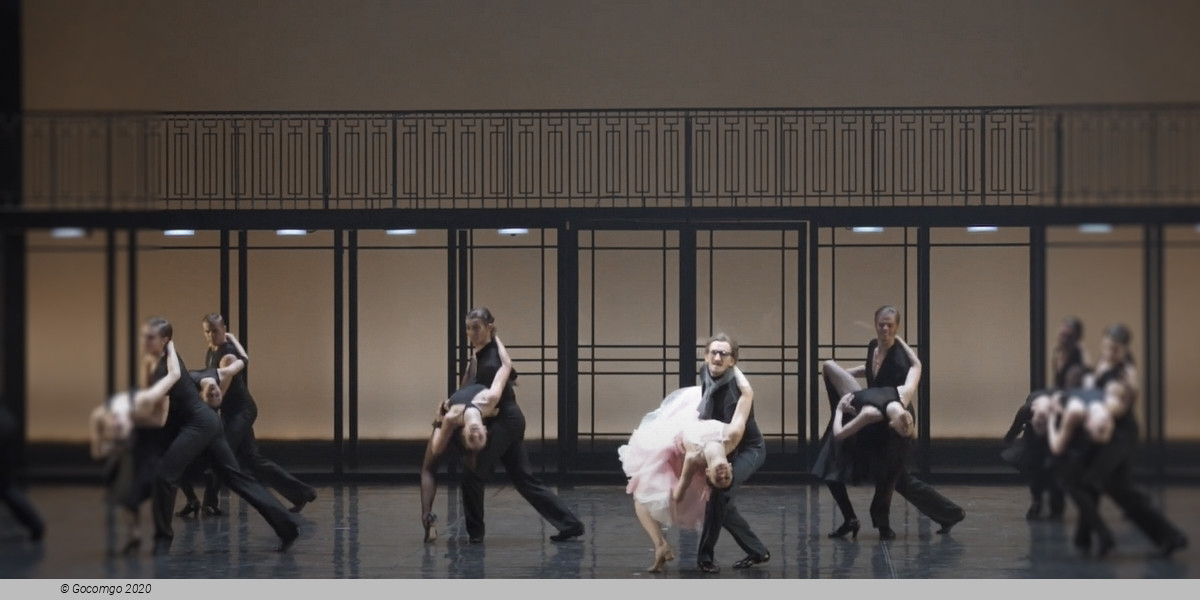
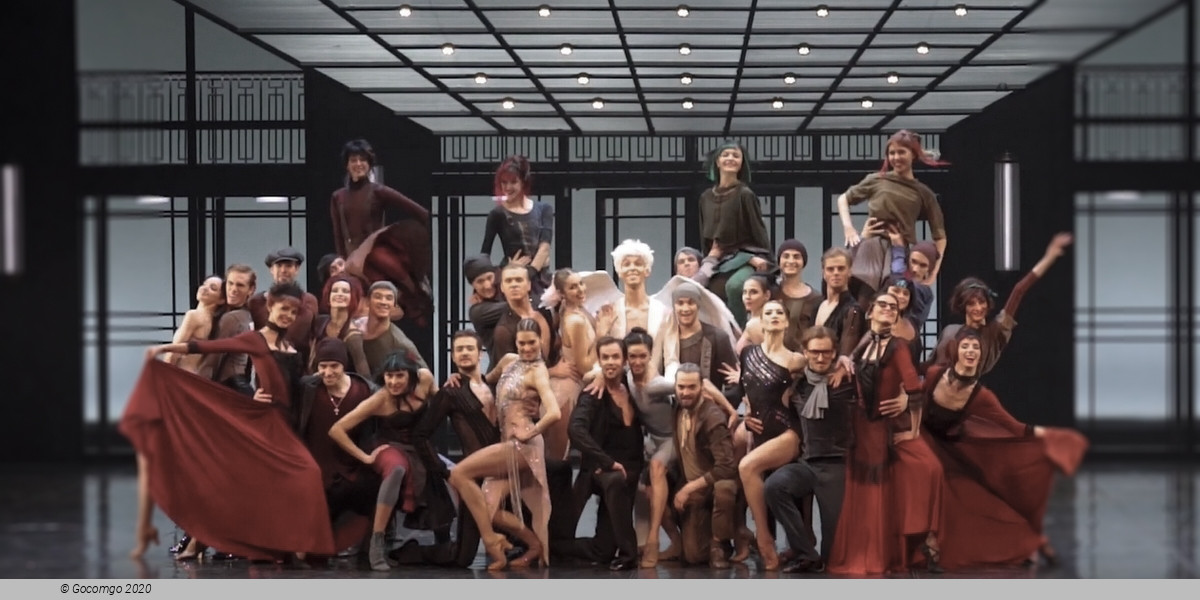
As he once again finds inspiration in the world cultural heritage, Eifman offers his audience a ballet interpretation of the archetypical story of Pygmalion, the sculptor who fell in love with his creation, a statue of a beautiful young woman. In the ballet storyline the role of the tempestuous creator falls to a successful ballroom dancer who resolves to “sculpt” a virtuoso performer from a clumsy common girl. Internal and external transformation of the heroine takes place against the background of music by Johann Strauss the Son. This is the first time in the choreographer’s prolific creative career that he works with the music of the “Waltz King”.
A tireless scholar of human soul, Boris Eifman chose for the title of his new ballet a set phrase used in studies of psychology, where the term “the Pygmalion effect” is defined as a phenomenon whereby expectations influence actuality. Thus, a person will develop self-assurance and achieve success when perceived by another person to have talent.
In this production Eifman presents a comprehensive artistic and philosophical portrayal of a human personality’s remarkable flexibility and ability to undergo unpredicted change in response to set aims and aspirations.
“We are not fully aware of our real capabilities. Human nature is infinitely enigmatic. It is a space for unlimited discoveries.
Each of us possesses creative energy, which gives a human being capacity for personal development. Nonetheless, it is not rare that, to change oneself, a person needs someone else to help unlock dormant potential. By influencing others these architects of human destiny also become subject to metamorphosis.
The ballet The Pygmalion Effect is a choreographic interpretation of the myth about an artist and his creation, a new view on how art and life are intricately intertwined but never one and the same.
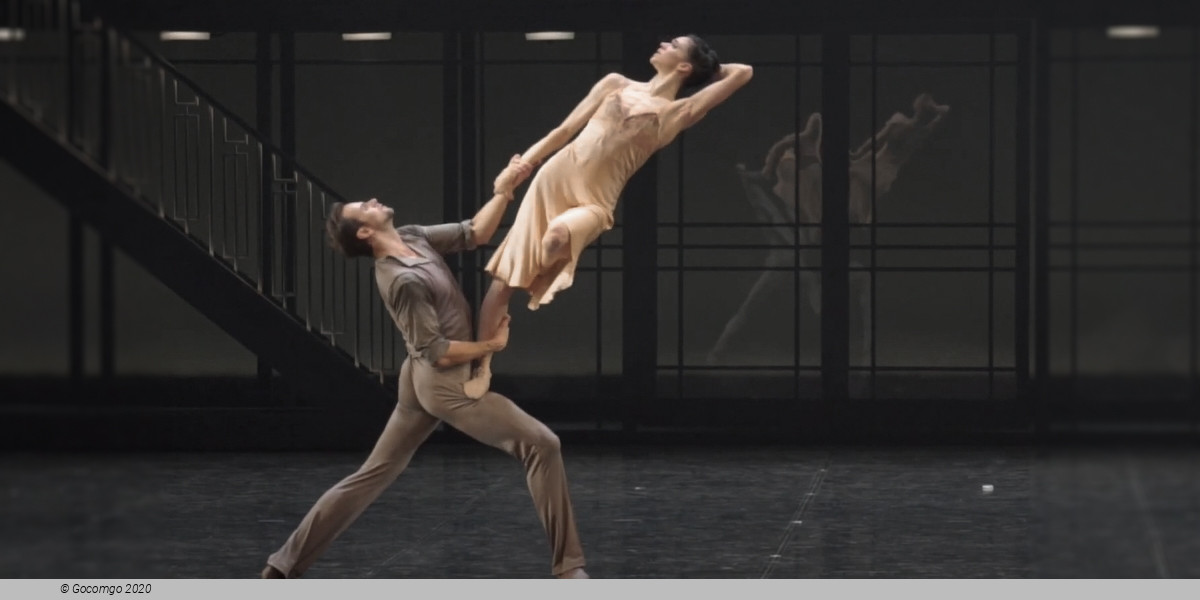
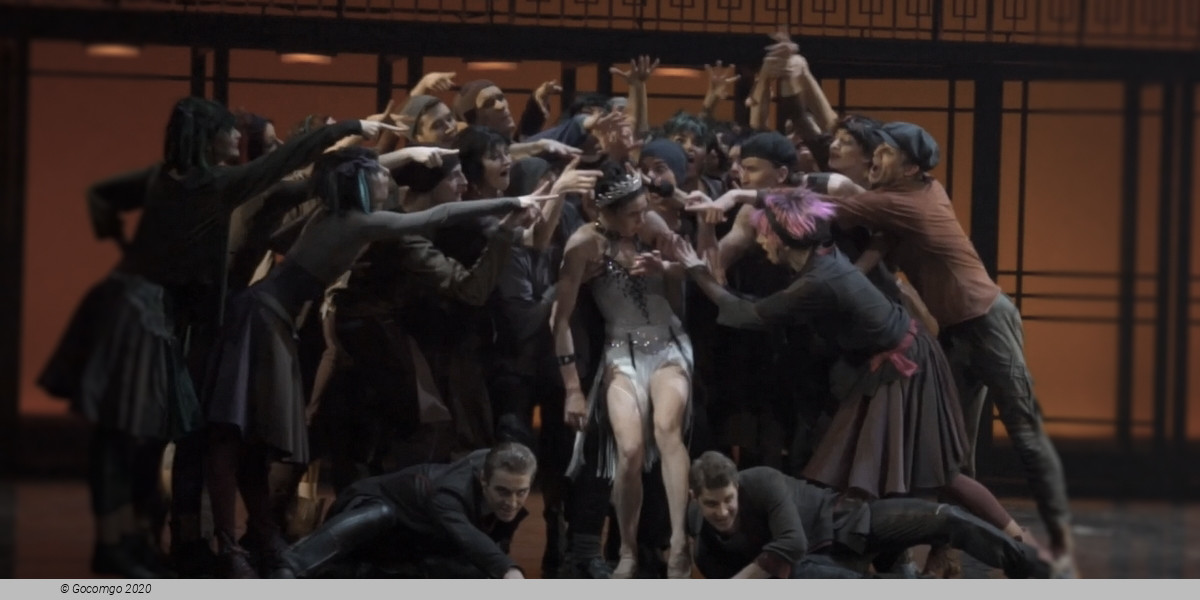
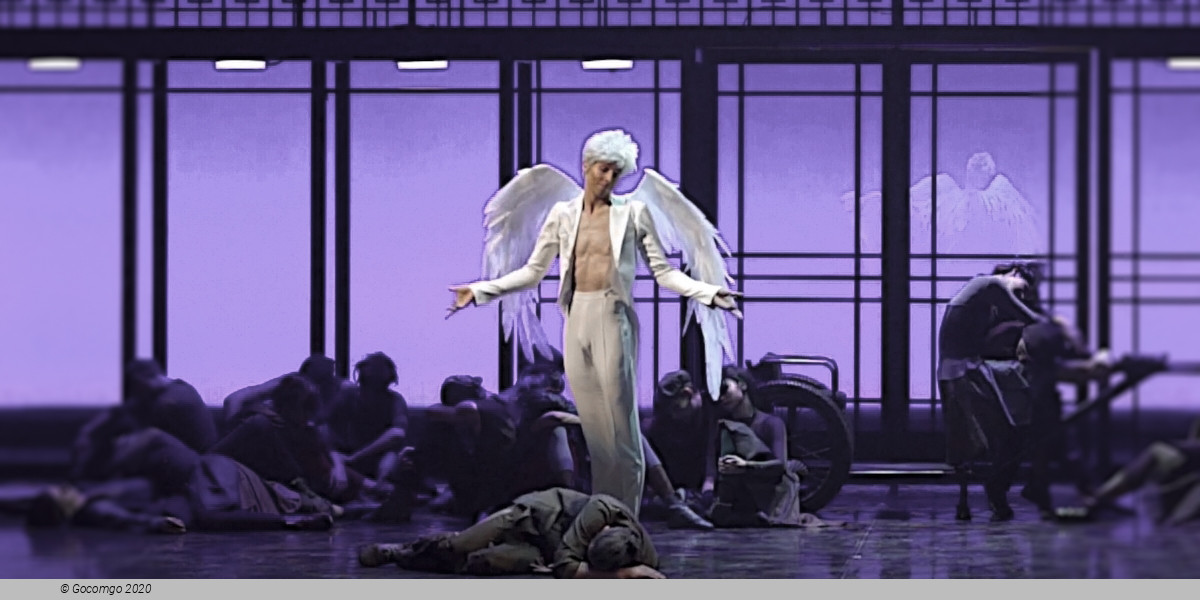
The central character of the ballet is an impertinent girl who lives in the slums. When she meets a champion in ballroom dancing, she enters the world of riches and remarkable mastery of performance. Here beauty and deceptive ease of movement are earned by very hard work, while seemingly attractive stage fame is not a safeguard from loneliness. Led by the famous dancer, the heroine embarks on a path of body movement transformation – what initially has been an amusing experiment, ends in a real drama.
The girl’s extraordinary tenacity and her merits previously disguised by overt crudity, as well as her spontaneous infatuation with her teacher and partner, help her develop into a star. But the fateful chasm between poverty and luxury can only be bridged in the world of dance that makes people equal whether they live in a shack or a palace. In real life we cannot escape the vengeful past that stays within us forever.
The miraculous transformation does not make our heroine happy. Harmony is destroyed along with remnants of sweet fantasies. But what is life if not a reverie brought on by the longing for an unattainable dream?..”
Boris Eifman











 B. Dmitrovka, 17