
Teatro Dell'Opera Di Roma tickets 17 March 2027 - I due Foscari | GoComGo.com

I due Foscari

Teatro Dell'Opera Di Roma, Teatro Costanzi, Rome, Italy
All photos (5)
Select date and time
8 PM
From
US$ 94

E-tickets: Print at home or at the box office of the event if so specified. You will find more information in your booking confirmation email.

You can only select the category, and not the exact seats.
If you order 2 or 3 tickets: your seats will be next to each other.
If you order 4 or more tickets: your seats will be next to each other, or, if this is not possible, we will provide a combination of groups of seats (at least in pairs, for example 2+2 or 2+3).

Important Info
Type: Opera
City: Rome, Italy
Starts at: 20:00
Sung in: Italian
Titles in: English,Italian

E-tickets: Print at home or at the box office of the event if so specified. You will find more information in your booking confirmation email.

You can only select the category, and not the exact seats.
If you order 2 or 3 tickets: your seats will be next to each other.
If you order 4 or more tickets: your seats will be next to each other, or, if this is not possible, we will provide a combination of groups of seats (at least in pairs, for example 2+2 or 2+3).

Cast
Performers
Tenor: Giorgio Berrugi (Jacopo Foscari)
Conductor: Riccardo Frizza
Mezzo-Soprano: Carlotta Vichi (Pisana)
Choir: Coro del Teatro della Fortuna
Baritone: Lucas Meachem (Francesco Foscari)
Soprano: Marigona Qerkezi (Lucrezia Contarini)
Bass-Baritone: Marko Mimica (Jacopo Loredano)
Tenor: Paolo Antognetti (Barbarigo)
Creators
Composer: Giuseppe Verdi
Librettist: Francesco Maria Piave
Author: Lord Byron
Sets design: Pier Luigi Pizzi
Director: Pier Luigi Pizzi
Opera Company: Teatro dell’Opera di Roma
Overview

Giuseppe Verdi’s I due Foscari is a powerful historical tragedy set in fifteenth-century Venice. The opera follows Doge Francesco Foscari, his son Jacopo and Jacopo’s wife Lucrezia as political power, family loyalty and personal revenge collide. The drama explores the devastating conflict between duty, love and justice.

Giuseppe Verdi’s I due Foscari is a tragic opera in three acts based on Lord Byron’s play The Two Foscari. Set in fifteenth-century Venice, it tells the story of Doge Francesco Foscari and his son Jacopo, whose political enemies accuse him of crimes and force him into exile.

Caught between his responsibilities as ruler and his love for his son, Francesco is unable to prevent Jacopo’s persecution. Lucrezia, Jacopo’s wife, desperately fights for his freedom, while Jacopo Loredano uses the political system to pursue his personal revenge against the Foscari family.

Verdi’s score combines intimate family drama with powerful scenes of political conflict, creating a deeply emotional portrait of a father, a son and a family destroyed by the struggle for power. The production is directed and designed by Pier Luigi Pizzi, with Riccardo Frizza conducting the Orchestra and Chorus of the Teatro dell’Opera di Roma.

History
Premiere of this production: 03 November 1844, Rome

I due Foscari (The Two Foscari) is an opera in three acts by Giuseppe Verdi to an Italian Francesco Maria Piave, based on a historical play, The Two Foscari, Lord Byron.

Synopsis

Place: Venice
Time: 1457

Act 1
Scene 1: Outside the Council Chamber of the Doge's Palace

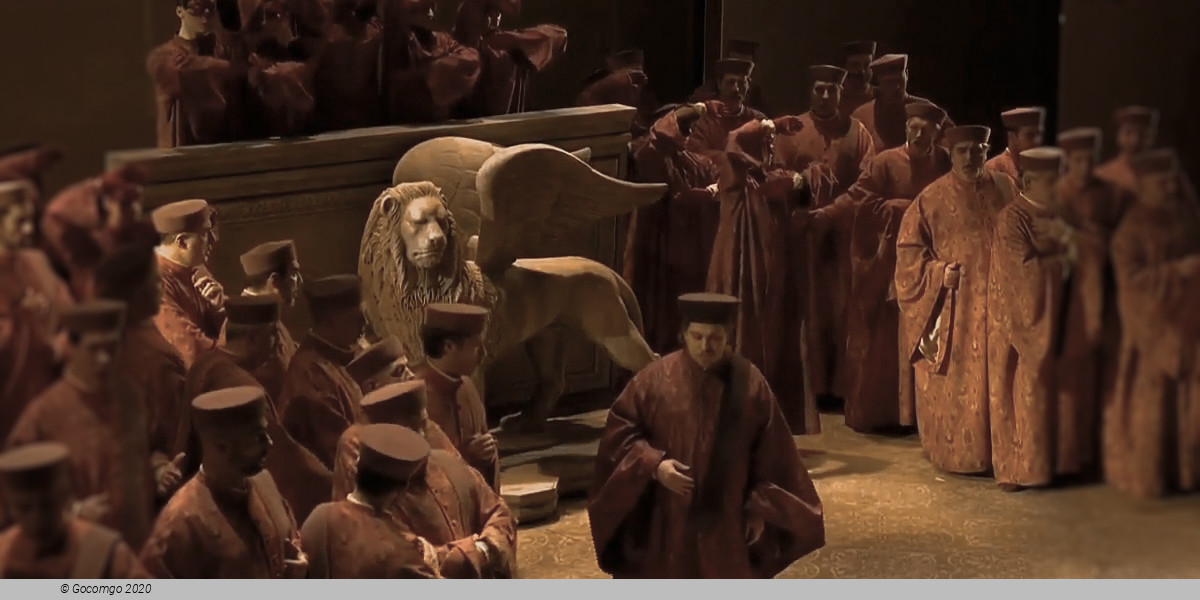
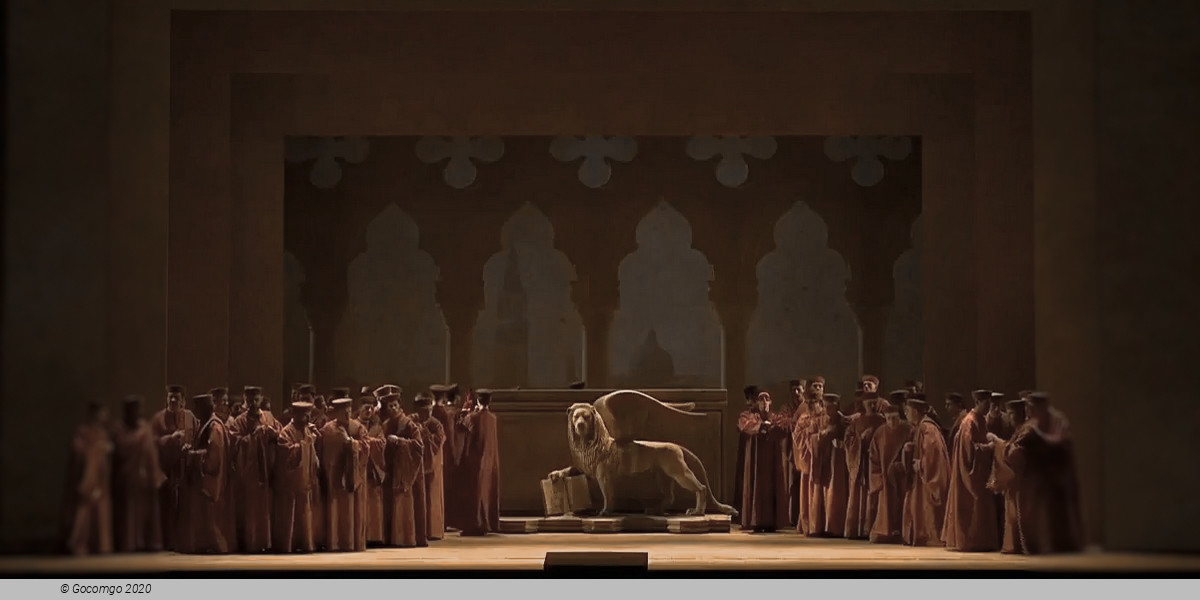
Members of the Council of Ten are waiting to enter the Council Chamber to try the case of Jacopo Foscari, the son of the Doge, who has been accused of murder. Upon the arrival of Loredano (Jacopo's sworn enemy) and his friend Barbarigo, they announce that the Doge has already entered the Chamber. They all enter the Chamber.

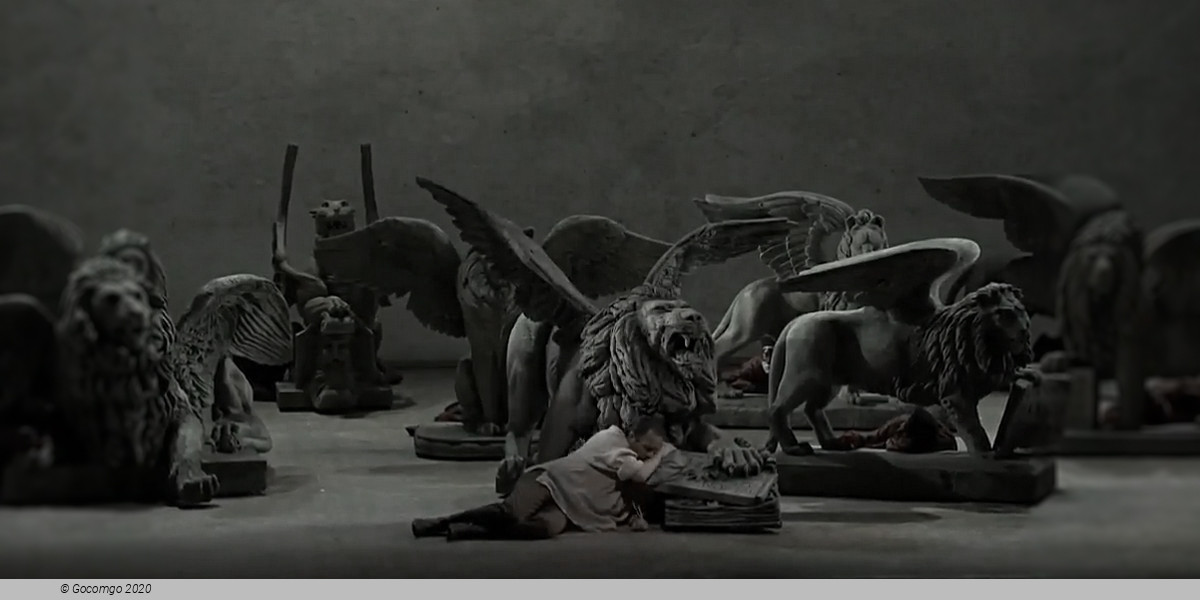
Having recently returned from exile, Jacopo is brought from the prison and expresses his love at seeing Venice again: Dal più remoto esilio / "From the most distant place of exile". When summoned to enter the Chamber and told that he can expect the Council to be merciful, Jacopo explodes in rage: Odio solo ed odio atroce / "Only hatred, cruel hatred, is locked within their breasts". He enters the Chamber.

Scene 2: A hall in the palace

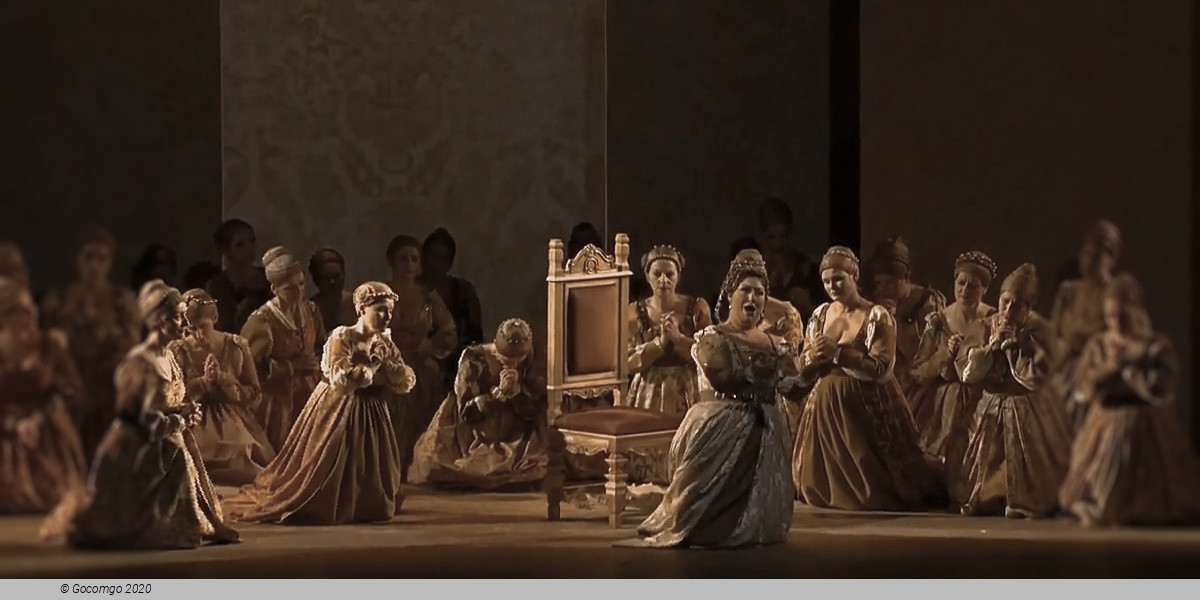
Lucrezia Contarini, Jacopo's wife, learns from her ladies in waiting that the trial is proceeding in the Council Chamber. She quickly demands to see the Doge, Jacopo's father, but is told that she should pray for Jacopo's freedom. Angrily, she implores heaven to be merciful: Tu al cui sguardo onnipossente / "Thou beneath whose almighty glance all men rejoice or weep". Her friend Pisana enters in tears; she relays the news that Jacopo has been sentenced to further exile and this provokes another furious outburst from Lucrezia: La clemenza! s'aggiunge lo scherno! / "Their mercy? Now they add insult!". Pisana and the ladies beg her to trust in the mercy of God.

Scene 3: Outside the Council Chamber

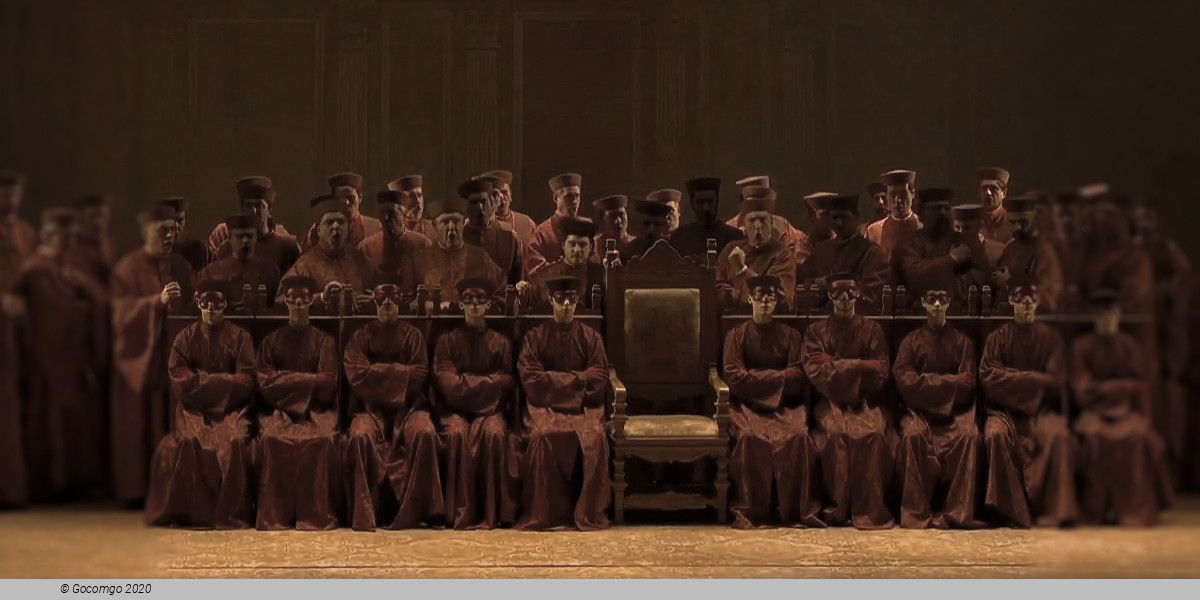
The Council of Ten leaves the Chamber proclaiming that the evidence was clearly sufficient to convict Jacopo and that their actions will be seen as just and fair.

Scene 4: The Doge's private room

The Doge, Francesco Foscari, enters and wearily sits down. He expresses anguish at what has happened to his son but, as his father, feels there is nothing he can do to save him: O vecchio cor che batte / "Oh ancient heart that beats in my breast...". In tears, Lucrezia comes in and, when she tries to decry the actions of the Council, Francesco reminds her of his position as upholder of the law of Venice. Angrily, she denounces the law as being filled only with hatred and vengeance and demands that he return her husband to her: Tu pur lo sai che giudice / "You know it all too well". The scene ends with the Doge lamenting the limits of his power and the conflicts between being both ruler and father, while Lucrezia continues to demand his help. The sight of his tears gives her some hope.

Act 2
Scene 1: The state prison

Jacopo is alone in prison and laments his fate. He imagines that he is being attacked by Carmagnola, a famous condottiere (soldier) who was executed in Venice (Non maledirmi o prode / "Mighty warrior, do not curse me", and he faints. Still delirious, he finds Lucrezia is with him; she tells him of the Council's decision and the punishment of further exile. However, she tries to keep some hope alive and promises to join him in exile if need be.

The Doge arrives and declares that in spite of the fact that he was forced to act severely, he loves his son. Jacopo is comforted – Nel tuo paterno amplesso / "In a father's embrace my sorrow is stilled" – but is further disturbed by the Doge's claim that his duty must override his love of his son.

Loredano arrives to announce the official verdict and to prepare Jacopo for his departure. He is contemptuous of the pleas of the Foscari and orders his men to remove Jacopo from his cell. In a final trio, Jacopo, the Doge, and Lucrezia express their conflicting emotions and, as Jacopo is taken away, father and daughter-in-law leave together.

Scene 2: The Council Chamber

Loredano is adamant: there shall be no mercy and Lucrezia and her children will not be allowed to accompany Jacopo on his banishment. The Doge laments his inability to help, acting, as he must, in the role of Doge before that of father. Lucrezia enters with her two children. Jacopo embraces them while Lucrezia pleads with the councilors to no avail. Jacopo is taken away.

Act 3
Scene 1: The Piazetta of San Marco

While the people who have gathered express their joy at being together, Loredano and Barbarigo wait for the galley that will take Jacopo away to exile. He is led out, followed by his wife and Pisana, and expresses his feelings for Lucrezia: All'infelice veglio / "Unhappy woman, unhappy through me alone". Together, in a huge choral number, Jacopo, Lucrezia, Pisano, Barbarigo, Loredano, and the people of Venice each express their feelings. Jacopo begins: O padre, figli, sposa / "Father, children, wife, I bid you a last farewell", and the scene ends with Jacopo escorted onto the galley while Lucrezia faints in Pisana's arms.

Scene 2: The Doge's Palace

The grief-stricken Doge expresses his feelings – Egli ora parte! ("Now he is going!") – and pictures himself alone in his old age. Barbarigo brings him proof that his son was in fact innocent, while Lucrezia comes in to announce Jacopo's death: Più non vive... l'innocente / "He is no more... the innocent". As she leaves, a servant announces that the Council of Ten wish to meet with the Doge.

The Council, through its spokesman Loredano, announces that it has decided that Francesco, due to age, should give up his position as Doge. Angrily, he denounces their decision: Questa dunque è l'iniqua mercede / "This then is the unjust reward...". He asks for his daughter-in-law to be brought in and gradually lays down the trappings of his office. When Lucrezia enters and addresses him with the familiar title "Prince", he declares "Prince! That I was; now I am no longer." Just then, the bell of San Marco is heard announcing that a successor has been chosen. As it tolls a second time, Francesco recognizes that the end has come: Quel bronzo feral / "What fatal knell". As the bell tolls again, he dies; Loredano notes that "I am paid."

Place: Venice
Time: 1457

Act 1
Scene 1: Outside the Council Chamber of the Doge's Palace

Members of the Council of Ten are waiting to enter the Council Chamber to try the case of Jacopo Foscari, the son of the Doge, who has been accused of murder. Upon the arrival of Loredano (Jacopo's sworn enemy) and his friend Barbarigo, they announce that the Doge has already entered the Chamber. They all enter the Chamber.

Having recently returned from exile, Jacopo is brought from the prison and expresses his love at seeing Venice again: Dal più remoto esilio / "From the most distant place of exile". When summoned to enter the Chamber and told that he can expect the Council to be merciful, Jacopo explodes in rage: Odio solo ed odio atroce / "Only hatred, cruel hatred, is locked within their breasts". He enters the Chamber.

Scene 2: A hall in the palace

Lucrezia Contarini, Jacopo's wife, learns from her ladies in waiting that the trial is proceeding in the Council Chamber. She quickly demands to see the Doge, Jacopo's father, but is told that she should pray for Jacopo's freedom. Angrily, she implores heaven to be merciful: Tu al cui sguardo onnipossente / "Thou beneath whose almighty glance all men rejoice or weep". Her friend Pisana enters in tears; she relays the news that Jacopo has been sentenced to further exile and this provokes another furious outburst from Lucrezia: La clemenza! s'aggiunge lo scherno! / "Their mercy? Now they add insult!". Pisana and the ladies beg her to trust in the mercy of God.

Scene 3: Outside the Council Chamber

The Council of Ten leaves the Chamber proclaiming that the evidence was clearly sufficient to convict Jacopo and that their actions will be seen as just and fair.

Scene 4: The Doge's private room

The Doge, Francesco Foscari, enters and wearily sits down. He expresses anguish at what has happened to his son but, as his father, feels there is nothing he can do to save him: O vecchio cor che batte / "Oh ancient heart that beats in my breast...". In tears, Lucrezia comes in and, when she tries to decry the actions of the Council, Francesco reminds her of his position as upholder of the law of Venice. Angrily, she denounces the law as being filled only with hatred and vengeance and demands that he return her husband to her: Tu pur lo sai che giudice / "You know it all too well". The scene ends with the Doge lamenting the limits of his power and the conflicts between being both ruler and father, while Lucrezia continues to demand his help. The sight of his tears gives her some hope.

Act 2

Scene 1: The state prison

Jacopo is alone in prison and laments his fate. He imagines that he is being attacked by Carmagnola, a famous condottiere (soldier) who was executed in Venice (Non maledirmi o prode / "Mighty warrior, do not curse me", and he faints. Still delirious, he finds Lucrezia is with him; she tells him of the Council's decision and the punishment of further exile. However, she tries to keep some hope alive and promises to join him in exile if need be.

The Doge arrives and declares that in spite of the fact that he was forced to act severely, he loves his son. Jacopo is comforted – Nel tuo paterno amplesso / "In a father's embrace my sorrow is stilled" – but is further disturbed by the Doge's claim that his duty must override his love of his son.

Loredano arrives to announce the official verdict and to prepare Jacopo for his departure. He is contemptuous of the pleas of the Foscari and orders his men to remove Jacopo from his cell. In a final trio, Jacopo, the Doge, and Lucrezia express their conflicting emotions and, as Jacopo is taken away, father and daughter-in-law leave together.

Scene 2: The Council Chamber

Loredano is adamant: there shall be no mercy and Lucrezia and her children will not be allowed to accompany Jacopo on his banishment. The Doge laments his inability to help, acting, as he must, in the role of Doge before that of father. Lucrezia enters with her two children. Jacopo embraces them while Lucrezia pleads with the councilors to no avail. Jacopo is taken away.

Act 3
Scene 1: The Piazetta of San Marco

While the people who have gathered express their joy at being together, Loredano and Barbarigo wait for the galley that will take Jacopo away to exile. He is led out, followed by his wife and Pisana, and expresses his feelings for Lucrezia: All'infelice veglio / "Unhappy woman, unhappy through me alone". Together, in a huge choral number, Jacopo, Lucrezia, Pisana, Barbarigo, Loredano, and the people of Venice each express their feelings. Jacopo begins: O padre, figli, sposa / "Father, children, wife, I bid you a last farewell", and the scene ends with Jacopo escorted onto the galley while Lucrezia faints in Pisana's arms.

Scene 2: The Doge's Palace

The grief-stricken Doge expresses his feelings – Egli ora parte! ("Now he is going!") – and pictures himself alone in his old age. Barbarigo brings him proof that his son was in fact innocent, while Lucrezia comes in to announce Jacopo's death: Più non vive... l'innocente / "He is no more... the innocent". As she leaves, a servant announces that the Council of Ten wish to meet with the Doge.

The Council, through its spokesman Loredano, announces that it has decided that Francesco, due to age, should give up his position as Doge. Angrily, he denounces their decision: Questa dunque è l'iniqua mercede / "This then is the unjust reward...". He asks for his daughter-in-law to be brought in and gradually lays down the trappings of his office. When Lucrezia enters and addresses him with the familiar title "Prince", he declares "Prince! That I was; now I am no longer." Just then, the bell of San Marco is heard announcing that a successor has been chosen. As it tolls a second time, Francesco recognizes that the end has come: Quel bronzo feral / "What fatal knell". As the bell tolls again, he dies; Loredano notes that "I am paid."

Venue Info

Teatro Dell'Opera Di Roma - Rome
Location   Piazza Beniamino Gigli

The Teatro dell'Opera di Roma is a major opera house in Rome. Originally opened in November 1880 as the 2,212-seat Costanzi Theatre, it has undergone several changes of name as well modifications and improvements. The present house seats 1,600.  Over one hundred years of success have brought the most acclaimed voices, the most prestigious sticks, and the notes of musicians who have marked its destiny to the Teatro dell'Opera di Roma: Pietro Mascagni, Giacomo Puccini, Ottorino Respighi, have delivered it to the honors of history of Italian melodrama as the cradle of 20th-century opera and musical theater.

Original Teatro Costanzi: 1880 to 1926
The Teatro dell'Opera was originally known as the Teatro Costanzi after the contractor who built it, Domenico Costanzi (1819–1898). It was financed by Costanzi, who commissioned the Milanese architect Achille Sfondrini (1836–1900), a specialist in the building and renovation of theatres. The opera house was built in eighteen months, on the site where the house of Heliogabalus stood in ancient times, and was inaugurated on 27 November 1880 with a performance of Semiramide by Gioachino Rossini.

Designing the theatre, Sfondrini paid particular attention to the acoustics, conceiving the interior structure as a "resonance chamber", as is evident from the horseshoe shape in particular. With a seating capacity of 2,212, the house had three tiers of boxes, an amphitheater, and two separate galleries, surmounted by a dome adorned with splendid frescoes by Annibale Brugnoli.

Costanzi was obliged to manage the theater himself. Under his direction, and despite financial problems, the opera house held many world premieres of operas, including Cavalleria Rusticana by Pietro Mascagni on 17 May 1890. For a brief period, the theatre was managed by Costanzi's son, Enrico, who gained renown by organizing another great premiere, that of Tosca by Giacomo Puccini on 14 January 1900.

In 1907, the Teatro Costanzi was purchased by the impresario Walter Mocchi (1871–1955) on behalf of the Società Teatrale Internazionale e Nazionale (STIN). In 1912 Mocchi's wife, Emma Carelli, became the managing director of the new Impresa Costanzi, as the theatre was later known, following various changes in the company structure. During the fourteen years of her tenure, major works which had not been performed before in Rome (or even in Italy) were staged. These included La fanciulla del West, Turandot and Il trittico by Giacomo Puccini; Parsifal by Richard Wagner; Francesca da Rimini (Zandonai) by Riccardo Zandonai; Boris Godunov by Modest Mussorgsky; Samson et Dalila by Camille Saint-Saëns and many others. Diaghilev's Ballets Russes also performed.

Restructured Teatro Reale dell'Opera: 1926 to 1946
In November 1926 the Costanzi was bought by the Rome City Council and its name changed to Teatro Reale dell'Opera. A partial rebuilding ensued, led by architect Marcello Piacentini and lasting fifteen months. The house re-opened on 27 February 1928 with the opera Nerone by Arrigo Boito.

Chief among several major changes was the relocated entrance, from the street formerly known as Via del Teatro (where the garden of the Hotel Quirinale is now) to the opposite side, where Piazza Beniamino Gigli exists today. In addition, the amphitheater inside the theatre was replaced by the fourth tier of boxes (now the third tier) and a balcony. The interior was embellished by new stuccowork, decorations, and furnishings, including a magnificent chandelier measuring six meters in diameter and composed of 27,000 crystal drops.

Above the proscenium arch is a plaque commemorating the rebuilding: "Vittorio Emanuele III Rege, Benito Mussolini Duce, Lodovicus Spada Potenziani, Romae Gubernator Restituit MCMXXVIII—VI”". Confusingly the dates appear to be back to front. (The VI refers to the sixth year after the Fascist's March on Rome of 1922.)

Present Teatro dell'Opera di Roma: from 1946
Following the end of the monarchy, the name was simplified to Teatro dell'Opera and, in 1958, the building was again remodeled and modernized. Rome City Council again commissioned architect Marcello Piacentini, who radically altered the building's style, notably with regard to the facade, entrance, and foyer, each of these taking the form we know today.

The theater's legendary acoustics still bear comparison with any other auditorium in the world. The seating capacity is about 1,600. The house was retrofitted with air-conditioning subsequent to a restoration, which provided improvements to the interior. The stucco work was completely restored, the great proscenium arch strengthened, and a parquet floor of solid oak blocks laid to replace the previous one.

On 2 January 1958, the theater was the venue for a controversial performance of Norma starring Maria Callas in the presence of the President of Italy: for health reasons, Callas abandoned the performance after the first act (the opera company had not engaged an understudy).

The post-war period saw celebrated productions, including Mozart's Le nozze di Figaro in 1964 and Verdi's Don Carlo in 1965, both conducted by Carlo Maria Giulini and directed by Luchino Visconti.

In the 1950s and 1960s, the Director was Riccardo Vitale (father of actress Milly Vitale).

In 1992, Gian Carlo Menotti was appointed Artistic Director of the Teatro dell'Opera di Roma, a post he maintained for two years before being asked to resign over conflicts with the theatre's managers involving Menotti's insistence on staging Wagner's Lohengrin.

From 2001 to 2010, the music director and chief conductor of the company were Gianluigi Gelmetti. He was due to be succeeded in these posts by Riccardo Muti, as announced in August 2009, but Muti demurred, citing in La Repubblica in October 2010 "general difficulties that are plaguing the Italian opera houses". Later, Muti assumed a role similar to that of a music director but without a title. Notable productions under Muti have included Gluck's Iphigénie en Aulide (2009), Verdi's Nabucco (2011), Simon Boccanegra (2012), and Ernani (2013).

Daniele Gatti was first guest-conducted with the company during the 2016–2017 season. He returned for subsequent guest engagements in each of the following two seasons. In December 2018, the company announced the appointment of Gatti as its new music director, with immediate effect. Gatti is scheduled to stand down as the company's music director on 31 December 2021. In June 2021, the company announced the appointment of Michele Mariotti as its next music director, effective 1 November 2022, with an initial contract of 4 years.

Important Info
Type: Opera
City: Rome, Italy
Starts at: 20:00
Sung in: Italian
Titles in: English,Italian
Top of page